
Cocoa Homes Dealing with Anti-Microbial Fogging Under Hardwood Flooring — Why Problems Keep Returning
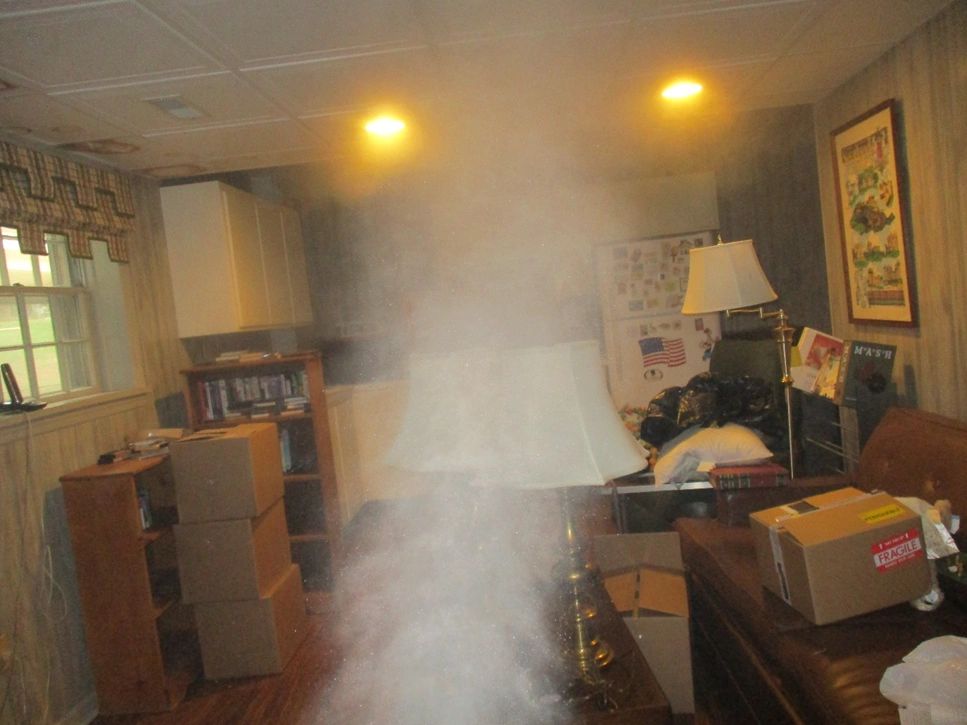
Hardwood flooring is a beautiful, durable feature in many Cocoa homes, but it can also hide hidden moisture and microbial growth. Water intrusion from storms, plumbing leaks, or high humidity often settles beneath floorboards, creating an environment for mold, bacteria, and mildew. Even when property owners or managers perform anti-microbial fogging, the problems can reappear if the root cause isn’t addressed.
This article explores why mold and microbial issues under hardwood flooring persist in Cocoa homes, the challenges of fogging, the proper remediation process, and strategies to prevent recurring problems.
Why Cocoa Homes Are Particularly Susceptible
1. Coastal Humidity
- Cocoa experiences high humidity year-round, often reaching 60–75%.
- Even without flooding, moisture absorbs into wood and subflooring, providing a breeding ground for microbial growth.
2. Stormwater and Flooding
- Heavy rainstorms and hurricanes can force water under flooring through leaks, doorways, or slab intrusion.
- Hardwood floors may appear dry on the surface, but water can accumulate in cracks, seams, or subflooring.
3. Plumbing Issues
- Leaks from water lines, dishwashers, or sinks may go unnoticed, allowing water to seep beneath floorboards over weeks or months.
- The moisture is trapped, creating ideal conditions for mold colonies to develop.
4. Aging Construction
- Older homes with slab foundations or poorly ventilated subfloors are more prone to hidden moisture.
- Limited airflow prevents drying, increasing microbial growth risk.
How Microbial Growth Spreads Under Hardwood Flooring
1. Capillary Action
- Wood and subflooring materials absorb water, allowing moisture to migrate along planks and joists.
- Mold spores follow these pathways, spreading to unseen areas beneath the floor.
2. Hidden Pockets of Moisture
- Cracks, gaps, and seams in hardwood floors trap moisture, often beyond the reach of surface cleaning or fogging.
- These pockets allow microbial growth to persist and spread silently.
3. Airborne Spores
- Disturbing contaminated flooring, even slightly, can release spores into the home, affecting air quality and enabling the fungus to recolonize after fogging.
Common Signs Homeowners Notice
- Musty odors that persist despite cleaning
- Discoloration or warping of hardwood planks
- Soft spots or squeaking underfoot
- Allergic symptoms among occupants
- Mold detected during inspections or behind baseboards
These signs indicate that surface treatments alone are insufficient, and the problem may require professional moisture detection and remediation.
Why Anti-Microbial Fogging Alone Often Fails
1. Surface Treatment vs. Hidden Moisture
- Fogging kills airborne spores and treats surfaces, but cannot reach water trapped under floorboards or in subflooring.
- Microbes in these hidden areas repopulate over time, creating recurring issues.
2. Moisture Source Not Corrected
- Without fixing the plumbing leak, roof intrusion, or humidity problem, microbial growth continues beneath the surface.
- Fogging addresses the symptom but not the root cause.
3. Inadequate Containment
- Fogging without proper containment and air scrubbing can allow spores to spread into other rooms, creating new contamination zones.
4. Delayed Intervention
- Waiting weeks or months after water intrusion allows established colonies to penetrate wood and subflooring, making simple fogging ineffective.
Professional Process for Long-Term Remediation
Step 1: Moisture Detection
- Technicians use thermal imaging, moisture meters, and hygrometers to locate water under hardwood flooring and subflooring.
- Identifies all affected areas before treatment.
Step 2: Containment
- Contaminated zones are sealed to prevent spores from spreading during remediation.
- Negative air pressure may be used in larger spaces.
Step 3: Material Removal if Necessary
- Severely contaminated or water-damaged flooring may need partial removal to treat subflooring effectively.
- This step ensures complete eradication of microbial colonies.
Step 4: Anti-Microbial Fogging
- Fogging is applied to treat air and accessible surfaces, including under floorboards if reachable.
- Combined with air scrubbing, it reduces spores and airborne contamination.
Step 5: Drying and Dehumidification
- Air movers and dehumidifiers dry wood and subflooring, preventing re-growth of mold.
- Monitoring ensures moisture levels are safe before flooring is reinstalled or refinished.
Step 6: Post-Remediation Verification
- Technicians retest moisture levels and inspect for residual mold.
- This ensures long-term protection and prevents recurrence.
Long-Term Strategies to Prevent Recurring Problems
- Address Moisture Sources Promptly – Fix leaks, roof damage, or slab intrusion immediately.
- Improve Ventilation – Crawl spaces and subfloors need airflow to prevent trapped humidity.
- Regular Moisture Monitoring – Use hygrometers or moisture sensors in high-risk areas.
- Periodic Professional Inspections – Especially after storms or flooding events.
- Combine Fogging with Structural Drying – Surface treatment alone is insufficient; subfloor moisture must be eliminated.
Why Local Expertise Matters
- Companies like Inspections and More FL understand Palm Bay and Cocoa’s unique climate and building styles.
- They specialize in hidden moisture detection, subfloor drying, and targeted anti-microbial fogging, ensuring long-term effectiveness.
- Local knowledge ensures efficient remediation, reduces property damage, and protects occupant health.
Conclusion
In Cocoa homes, moisture trapped under hardwood flooring can lead to persistent microbial growth. Anti-microbial fogging alone often fails to resolve these issues because the root causes of moisture are not addressed, and hidden water remains under the floorboards.
Professional moisture detection, containment, remediation, and drying are essential to eliminate the problem and prevent recurrence. By acting quickly and combining fogging with structural drying, homeowners and property managers can protect flooring, preserve indoor air quality, and maintain property value.
