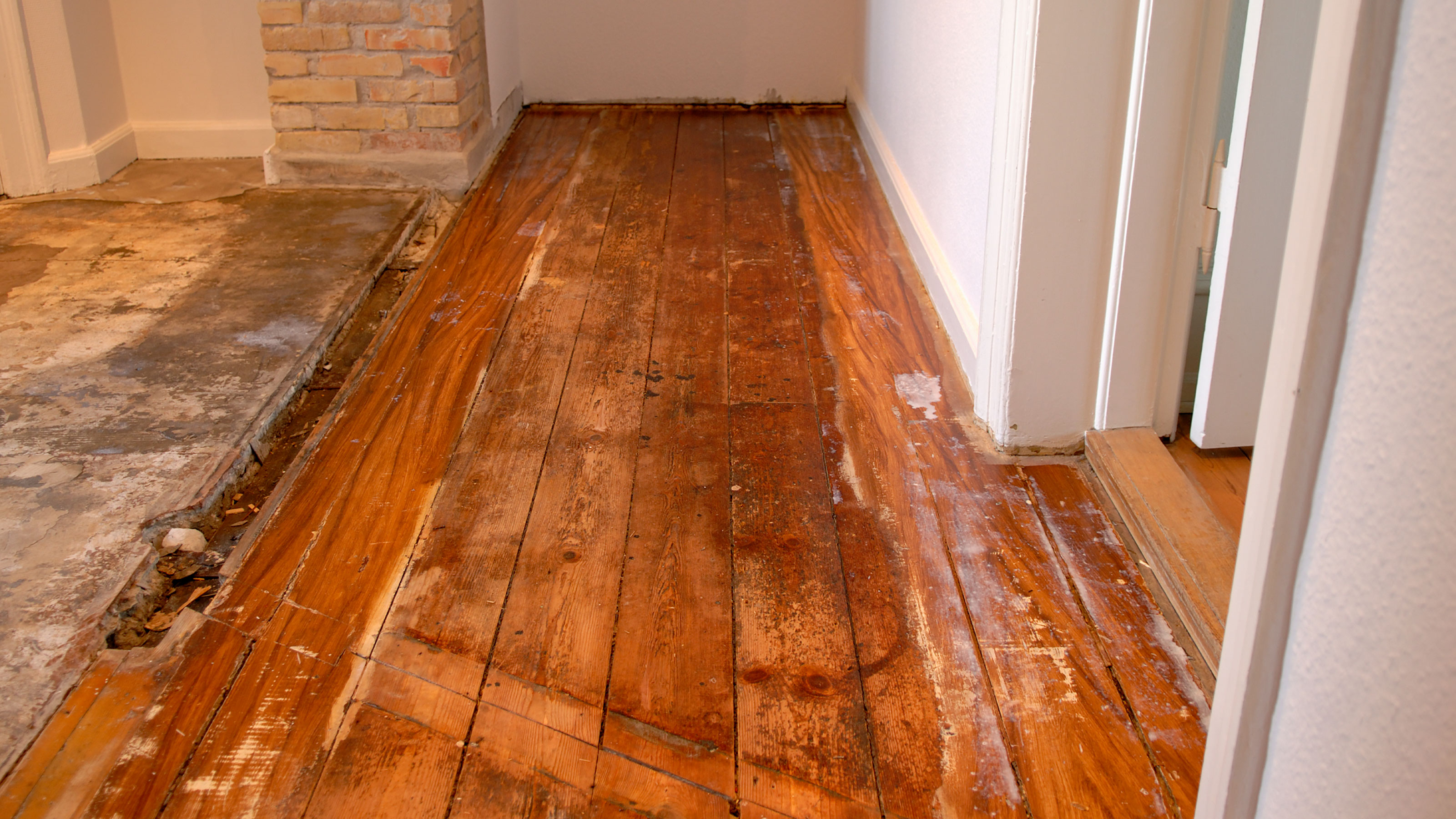
Cocoa Homes Dealing with Mold Removal Under Hardwood Flooring — A Practical Homeowner Breakdown
Hardwood floors are a popular feature in many Cocoa homes. They look clean, feel solid underfoot, and add long-term value. But in Florida’s humid climate, hardwood flooring can also hide one of the most frustrating moisture problems homeowners face — mold growth underneath.
In Cocoa, as well as nearby Merritt Island, Melbourne, Palm Bay, and even inland toward Sanford, mold under hardwood flooring is more common than many realize. It often begins quietly after a small plumbing leak, minor roof intrusion, slab vapor migration, or long-term humidity imbalance.
By the time you notice warping or a musty smell, moisture may already be trapped beneath the boards.
This breakdown explains how mold develops under hardwood, what removal actually involves, and what homeowners should expect during the process.
What the Issue Really Is
Hardwood flooring is porous. While the surface may appear sealed, moisture can still reach the underside through:
- Slab foundations
- Minor plumbing leaks
- AC condensation
- Flooding or stormwater
- Humidity buildup
- Spills that seep into seams
In slab homes — which are common in Cocoa — ground moisture can migrate upward through concrete. When moisture accumulates beneath hardwood planks, the underside becomes a perfect environment for mold.
The problem is that hardwood often hides the damage.
You may not see visible mold on the surface. Instead, the underside of the boards and the subfloor beneath them are affected.
Mold removal under hardwood requires addressing both contamination and moisture.
Why This Happens So Often in Cocoa
Cocoa’s coastal environment contributes to flooring moisture issues in several ways.
Persistent Humidity
Outdoor humidity remains elevated for much of the year.
High Water Table
Groundwater pressure beneath slab foundations increases during rainy seasons.
Frequent Storms
Wind-driven rain can introduce moisture near exterior walls.
Warm Temperatures
Heat accelerates mold growth when moisture is present.
Tight Indoor Cooling
AC systems running constantly create temperature differences that encourage condensation.
Homes in Merritt Island and Melbourne experience similar patterns, especially near waterfront areas.
Hardwood flooring, while durable, responds quickly to humidity shifts.
Common Signs Mold May Be Under Hardwood Flooring
Homeowners often notice subtle changes before discovering mold.
Warning signs include:
- Musty odors that linger
- Boards that cup or warp
- Slight soft spots underfoot
- Gaps forming between planks
- Dark staining along seams
- Increased indoor humidity
If the smell persists even after cleaning, it may indicate contamination beneath the flooring.
The earlier the issue is evaluated, the less extensive removal may be required.
Hidden or Overlooked Moisture Sources
In Cocoa homes, moisture beneath hardwood flooring frequently originates from:
- Slow plumbing leaks under sinks
- Refrigerator or dishwasher supply lines
- Slab vapor transmission
- Past stormwater intrusion
- AC condensate line failures
- Crawl space humidity (in raised homes)
Even minor leaks can saturate subflooring before surface boards show visible change.
Without moisture detection tools, hidden dampness often goes unnoticed.
Why DIY Attempts Usually Fail
Homeowners sometimes try to dry hardwood floors using fans or household dehumidifiers.
While this may help surface moisture, it rarely resolves subfloor contamination.
Surface Drying Is Not Structural Drying
Moisture trapped beneath boards remains unaffected.
Bleach Does Not Penetrate
Cleaning visible seams does not remove mold underneath.
No Moisture Measurement
Without testing tools, homeowners cannot confirm dryness.
Trapped Moisture Remains
Hardwood boards restrict airflow beneath them.
In Florida’s humid climate, incomplete drying often leads to recurring mold growth.
Professional removal ensures the source is addressed properly.
Professional Inspection & Detection Explained
Before removal begins, a detailed assessment is performed.
In Cocoa homes, this typically includes:
Visual Inspection
Checking board edges, baseboards, and subfloor conditions.
Moisture Meter Testing
Measuring moisture levels in wood and concrete.
Thermal Imaging
Detecting hidden damp areas beneath flooring.
Slab Moisture Evaluation
Assessing vapor transmission from concrete.
HVAC Inspection
Ensuring condensation is not contributing.
Inspections and More FL frequently identifies slab moisture migration in homes where hardwood flooring appears intact from above.
Removal decisions are based on measurable moisture readings.
What Mold Removal Under Hardwood Flooring Involves
When mold is confirmed beneath hardwood, the process may include:
Containment
Preventing spores from spreading to unaffected rooms.
Safe Board Removal
Carefully lifting affected hardwood planks.
Subfloor Evaluation
Inspecting plywood or concrete beneath.
HEPA Air Scrubbing
Capturing airborne spores during removal.
Structural Dryout
Using air movers and dehumidifiers to dry the subfloor.
Antimicrobial Treatment
Cleaning and treating affected structural surfaces.
Mold Encapsulation (if needed)
Sealing treated subfloor materials.
Moisture Source Correction
Repairing leaks or installing vapor barriers.
Clearance Verification
Confirming moisture levels have stabilized before new flooring installation.
In some cases, only a portion of flooring requires removal. In others, larger sections must be replaced.
Early detection limits the extent of replacement.
Cost Factors to Consider
Mold removal beneath hardwood flooring varies based on:
- Size of affected area
- Severity of moisture saturation
- Type of subfloor
- Need for containment
- Duration of drying time
- Replacement flooring materials
The longer moisture remains undetected, the greater the removal scope.
Prompt action often reduces overall expense.
Preventing Mold Under Hardwood Flooring
Cocoa homeowners can reduce future risk by:
- Monitoring indoor humidity (45–55%)
- Installing vapor barriers over slabs
- Cleaning AC condensate lines regularly
- Addressing plumbing leaks immediately
- Scheduling moisture inspections after storms
- Inspecting around exterior doors and windows
- Maintaining proper attic ventilation
Homes in Palm Bay, Merritt Island, and Sanford benefit from similar moisture prevention strategies.
Hardwood floors perform best when humidity remains stable.
Why Local Florida Experience Matters
Moisture behaves differently in Florida than in dry climates.
Cocoa’s:
- Coastal humidity
- High groundwater
- Storm exposure
- Warm temperatures
… create persistent moisture pressure on slab foundations and subfloors.
Professionals familiar with Central Florida construction understand how hardwood flooring interacts with slab vapor migration.
Inspections and More FL approaches mold removal under hardwood with this localized knowledge — focusing on moisture correction first, then structural stabilization.
Experience ensures the issue does not return after repairs.
A Calm, Practical Next Step
If your Cocoa home has hardwood flooring and you notice warping, odors, or unexplained humidity, it’s worth scheduling a moisture evaluation.
Mold beneath hardwood is rarely visible at first.
Addressing it early protects both your flooring investment and your home’s structure.
Florida’s climate makes moisture management ongoing.
But with proper detection and structured removal, hardwood floors can remain stable and protected for years to come.