
Dehumidification in Cocoa During Storm Season: How Moisture Spreads Silently
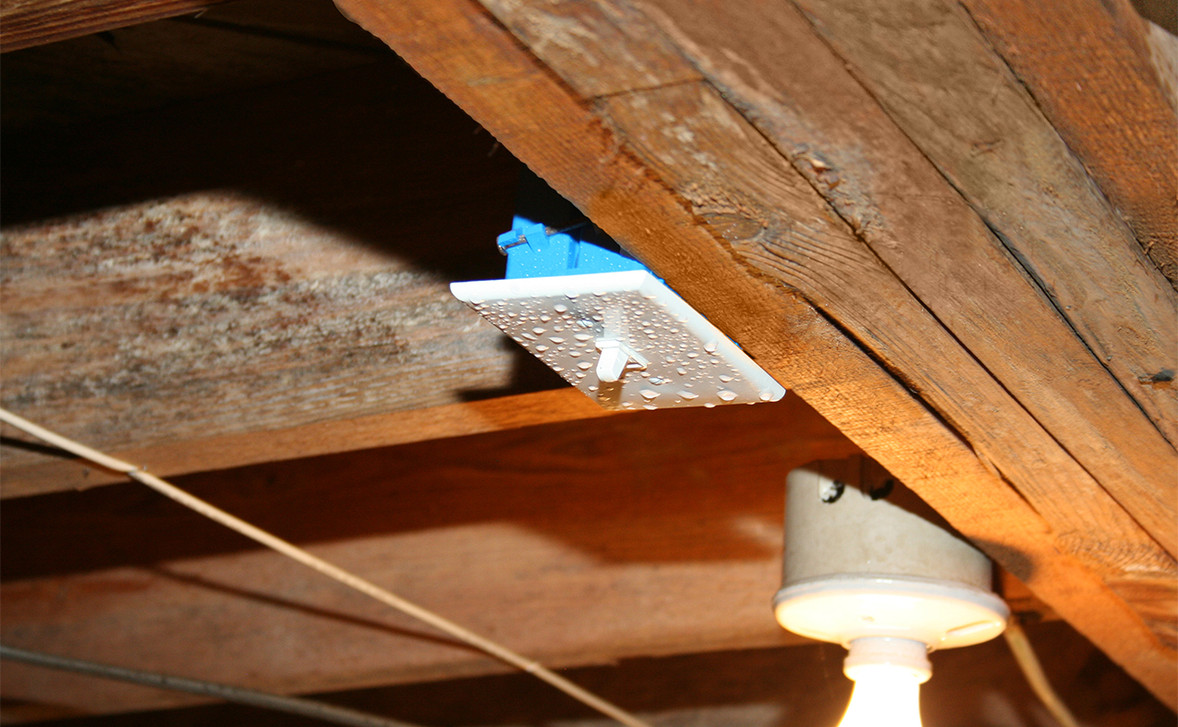
Cocoa, Florida, is no stranger to storm season, where heavy rainfall, high humidity, and coastal conditions create the perfect environment for hidden moisture to infiltrate homes. While some water damage is obvious, much of it spreads silently, seeping into crawl spaces, attics, walls, and subflooring, often undetected until mold, wood rot, or structural damage appears.
Dehumidification is a critical tool in protecting properties during these events. By controlling humidity and promoting proper drying, homeowners and property managers can prevent silent water migration, mold growth, and long-term damage.
This article explores how moisture spreads silently during Cocoa’s storm season, why dehumidification is essential, common problem areas, and best practices for protecting your property.
Why Cocoa Homes Are Vulnerable During Storm Season
1. High Humidity
- Cocoa’s coastal location exposes homes to persistent moisture in the air, even when it isn’t raining.
- Attics, crawl spaces, and slab foundations can trap this humidity, creating a breeding ground for mold.
2. Storm Water Intrusion
- Heavy rainstorms and hurricanes push stormwater into low-lying areas, under homes, and around foundations.
- Water can infiltrate cracks in slabs, gaps around crawl space vents, or poorly sealed roofing, often without immediate signs on the surface.
3. AC Condensation
- Air conditioning systems generate condensation that may drip into floors or crawl spaces, especially in older homes with ductwork issues.
- This subtle moisture source can be as destructive as visible leaks.
4. Aging Construction
- Older homes often have insufficient vapor barriers, aging insulation, and limited ventilation, allowing water to accumulate in hidden pockets.
- Combined with storm-season rainfall, even minor leaks can lead to significant structural and microbial problems.
How Moisture Spreads Silently
Understanding how water moves through a property is critical to effective dehumidification and prevention.
1. Capillary Action
- Water can travel through porous materials like wood, drywall, and insulation, even if only one area is wet.
- This is often the first stage of silent moisture spread under flooring or behind walls.
2. Hidden Leak Paths
- Leaks behind walls, under cabinets, or along plumbing lines often remain unnoticed.
- Moisture migrates along the path of least resistance, creating damp spots far from the original leak.
3. Crawl Spaces and Slab Foundations
- Crawl spaces under homes are particularly vulnerable: soil moisture, plumbing leaks, and rainwater intrusion contribute to elevated humidity levels.
- Slab foundations can absorb water at expansion joints or cracks, transferring it upward into flooring and framing.
4. Attics and Roof Leaks
- Water infiltrating the attic from a damaged roof or storm-driven rain may pool along rafters or insulation.
- Condensation forms on cooler surfaces, spreading silently along joists and creating conditions for mold growth.
Common Signs of Silent Moisture Spread
Even without visible water, property owners may notice subtle clues:
- Musty or earthy odors, particularly in rooms over crawl spaces or slabs
- Warping, cupping, or gaps in hardwood flooring
- Condensation on ductwork, walls, or windows
- Peeling paint or discolored drywall
- Damp insulation or sagging ceilings in attics
The Role of Dehumidification
Dehumidification removes excess moisture from the air, creating conditions where mold cannot thrive and structural materials dry more quickly.
Key Benefits
- Prevents Mold Growth – Lowering humidity slows or halts mold colony formation.
- Protects Structural Materials – Wood, drywall, and insulation remain dry, preventing rot and deterioration.
- Enhances AC Efficiency – Reduces moisture load, improving cooling performance and preventing condensation.
- Improves Indoor Air Quality – Removes dampness that can carry allergens, odors, and microbial spores.
Dehumidification in Action
Step 1: Identify Moisture Hotspots
- Inspect crawl spaces, attics, basements, and slab-adjacent areas.
- Use moisture meters, thermal imaging, or hygrometers to map high-humidity zones.
Step 2: Equipment Setup
- Place portable or industrial dehumidifiers in crawl spaces, attics, or other affected areas.
- Ensure adequate airflow around devices for maximum efficiency.
Step 3: Continuous Monitoring
- Monitor humidity levels daily, adjusting dehumidifier settings as needed.
- Aim for humidity below 60%, the threshold where mold growth slows significantly.
Step 4: Complementary Measures
- Combine with air movers and proper ventilation to accelerate drying.
- Seal minor leaks and repair storm damage to prevent recurring moisture influx.
Step 5: Verification and Follow-Up
- Retest moisture levels after several days to ensure drying is complete.
- Thermal imaging or hygrometer readings can verify that hidden areas are dry.
Challenges of Dehumidification During Storm Season
- High Ambient Humidity – Storm season can push outdoor and indoor humidity to levels that challenge even powerful dehumidifiers.
- Hidden Water Sources – Leaks under flooring or behind walls may continue adding moisture despite dehumidification.
- Equipment Limitations – Small residential units may be insufficient for large crawl spaces or multiple-story homes.
- Power Supply and Safety – Running multiple units during storms requires reliable power and careful placement to avoid hazards.
Professional guidance ensures equipment is properly sized, placed, and monitored for maximum effectiveness.
Why Local Expertise Matters
Companies like Inspections and More FL specialize in Cocoa’s unique conditions:
- Understanding stormwater behavior and coastal humidity patterns
- Identifying hidden moisture paths under slabs, hardwood floors, and crawl spaces
- Properly sizing and placing dehumidification systems for efficient drying
- Integrating dehumidification with mold remediation, air scrubbing, and structural dryouts
- Offering long-term monitoring and preventive recommendations
Local knowledge ensures that homeowners and property managers get results quickly, safely, and efficiently.
Long-Term Preventive Measures
- Routine Inspections – Check crawl spaces, attics, and subflooring after storms.
- Maintain Proper Drainage – Ensure gutters and grading direct water away from foundations.
- Install Permanent Dehumidification Systems – Especially in crawl spaces and basements.
- Seal Cracks and Vents – Prevent water intrusion from stormwater or rising soil moisture.
- Thermal Imaging Scans – Annual scans detect hidden water before it creates major problems.
Conclusion
Storm season in Cocoa brings hidden moisture risks that spread silently under floors, behind walls, and in crawl spaces. Without intervention, this moisture can lead to mold growth, structural damage, and poor indoor air quality.
Dehumidification is a critical part of post-storm property protection. By removing excess moisture, targeting hidden water sources, and monitoring environmental conditions, homeowners and property managers can safeguard their investments and maintain healthy living conditions.
Combined with inspection, thermal imaging, and professional remediation, dehumidification ensures that Cocoa homes remain dry, structurally sound, and protected against storm-season damage.
