
During Extreme Humidity in Palm Bay: A Closer Look at Moisture Detection
If you’ve lived in Palm Bay through a summer, you already know what extreme humidity feels like. The air feels heavy. AC systems run nonstop. Windows fog up. Closets feel damp. Even indoor surfaces can feel slightly sticky.
But here’s the real issue most property owners don’t think about: when humidity spikes for days or weeks at a time, moisture doesn’t just stay in the air. It begins interacting with building materials.
In Palm Bay, Melbourne, Cocoa, and nearby areas, prolonged humidity can quietly contribute to hidden moisture buildup inside walls, ceilings, and flooring systems. That’s where professional moisture detection becomes critical.
Let’s take a closer look at how moisture detection works during extreme humidity — and why it protects properties long-term.
Why Extreme Humidity Creates Hidden Risks
Palm Bay’s climate is defined by:
- High year-round humidity
- Heavy summer rainfall
- Storm-driven moisture surges
- Long AC operating cycles
- Warm temperatures that slow evaporation
When indoor humidity levels rise and stay elevated, materials such as drywall, wood trim, and insulation absorb moisture from the air.
Even without an obvious leak, condensation can form:
- On ductwork
- Inside wall cavities
- On slab edges
- Around window frames
- Behind furniture placed against exterior walls
Humidity alone can push a home or commercial building toward moisture imbalance.
The Difference Between “Humid” and “Wet”
Many homeowners assume that if there’s no visible water, there’s no moisture issue.
That’s not always accurate.
In extreme humidity:
- Surfaces may feel dry but test elevated
- Drywall may read higher moisture content
- Concrete slabs may retain excess vapor
- Attic insulation may feel damp without visible staining
Moisture detection helps determine whether humidity has crossed the line into material absorption.
That distinction matters — especially before mold begins forming.
Early Signs Humidity Is Affecting the Structure
During prolonged humid periods, Palm Bay property owners often notice:
- Musty odors that seem stronger at night
- AC systems running constantly
- Warped baseboards or door frames
- Small areas of paint bubbling
- Window condensation indoors
- A persistent “heavy air” feeling
These signs suggest that moisture may be interacting with materials beyond normal levels.
But visible signs only tell part of the story.
How Professional Moisture Detection Works
Moisture detection is not guesswork. It’s systematic.
Here’s what inspections typically involve during extreme humidity conditions.
1. Humidity and Dew Point Measurement
Technicians begin by measuring:
- Indoor relative humidity
- Ambient temperature
- Dew point levels
This establishes whether indoor conditions are high enough to cause condensation on surfaces.
If indoor humidity stays above recommended levels, moisture accumulation risk increases significantly.
2. Moisture Meter Testing
Moisture meters are used on:
- Drywall
- Baseboards
- Ceiling materials
- Flooring systems
- Window framing
These meters detect moisture inside materials — not just on the surface.
In Palm Bay homes, readings often show elevated levels near exterior walls during humid stretches.
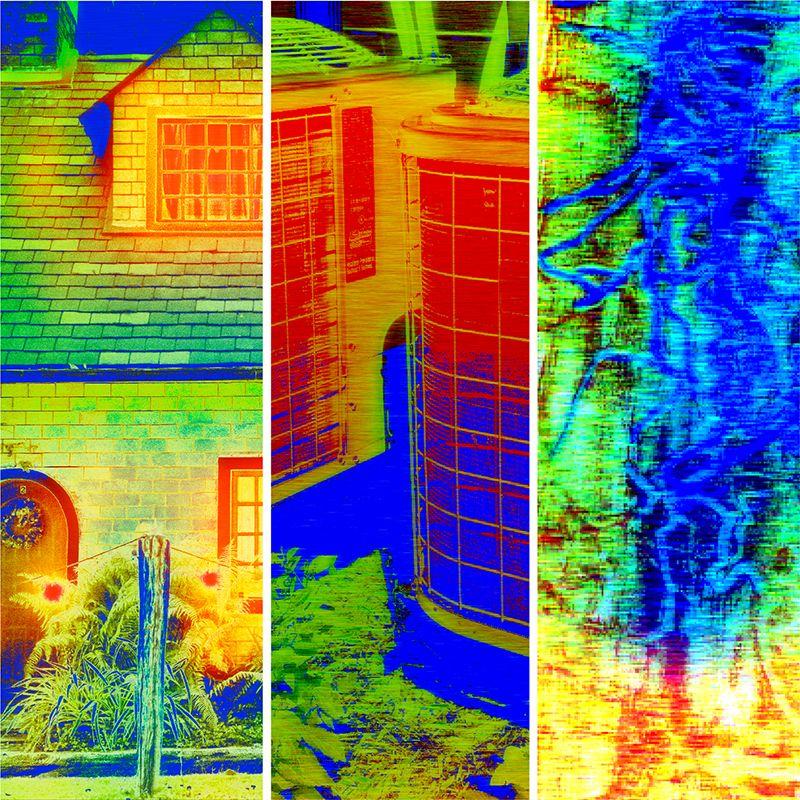
3. Thermal Imaging Scans
Infrared cameras detect temperature variations behind walls and ceilings.
Cooler areas often indicate:
- Active condensation
- Moisture intrusion
- Damp insulation
Thermal imaging is especially useful around AC ducts and attic transitions.
4. Concrete Slab Testing
Commercial properties and slab-on-grade homes may require slab moisture testing.
Concrete holds moisture longer than drywall.
During extreme humidity, slabs can absorb vapor and release it later, affecting flooring systems.
5. HVAC Evaluation
Because AC systems run constantly in Palm Bay, inspections often include:
- Drain line checks
- Duct insulation inspection
- Airflow evaluation
- Air handler closet moisture checks
Condensation-related issues often increase during extreme humidity.
What Inspections Commonly Uncover
During high humidity periods in Palm Bay, moisture detection frequently reveals:
- Elevated drywall readings along exterior walls
- Sweating duct boots in ceilings
- Damp attic insulation
- Slight slab moisture migration
- Condensation near poorly insulated vent registers
- Minor leaks that were previously unnoticed
Many of these issues remain invisible until proper tools are used.
Why Early Moisture Detection Saves Money
Humidity-related moisture problems are far easier to address early.
When detected quickly:
- Drying may only require dehumidification
- Minor insulation adjustments may solve the issue
- Small AC maintenance corrections can prevent larger problems
- Containment and demolition can be avoided
When ignored, prolonged humidity can:
- Support mold growth
- Damage drywall
- Warp flooring
- Create larger remediation needs
In Florida’s climate, early detection reduces long-term structural costs.
The Role of Dehumidification in Extreme Conditions
Once elevated moisture is identified, controlling humidity becomes essential.
This may involve:
- Adjusting AC performance
- Adding standalone dehumidifiers
- Improving attic ventilation
- Sealing duct leaks
- Improving airflow in stagnant rooms
Moisture detection guides the solution. Without measurement, adjustments are guesswork.
Companies like Inspections and More FL focus on moisture source identification first — because humidity control is the foundation of prevention.
Preventative Monitoring During Florida’s Humid Season
Palm Bay property owners can reduce risk by:
- Monitoring indoor humidity with digital hygrometers
- Servicing AC systems before peak summer
- Inspecting attics during extended humid periods
- Checking exterior seals around windows
- Ensuring bathroom exhaust fans vent outside
- Scheduling periodic moisture evaluations
Extreme humidity is predictable in Florida. Structural moisture damage doesn’t have to be.
Why Local Experience Matters
Moisture detection in Palm Bay requires understanding Florida’s climate patterns.
Local professionals know:
- How long humidity spikes typically last
- How slab foundations react during extended moisture periods
- Which construction types are most vulnerable
- How coastal air influences metal components
- When humidity becomes a structural concern instead of a comfort issue
That local knowledge allows accurate interpretation of moisture readings — not overreaction and not underestimation.
A Practical Next Step During High Humidity
If your Palm Bay property feels persistently damp during extreme humidity — even without visible leaks — it’s worth investigating.
Moisture detection provides clarity. It separates normal Florida humidity from structural moisture absorption.
Catching elevated moisture early prevents mold growth, material damage, and larger remediation costs later.
In Palm Bay’s climate, humidity is constant. But with proper monitoring and early detection, its impact on your property can stay controlled.
