
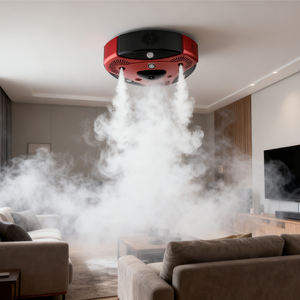
During Storm Season in Melbourne: A Closer Look at Anti-Microbial Fogging
Storm season in Melbourne brings more than heavy rain and wind. It brings prolonged humidity, sudden roof leaks, minor flooding, and moisture intrusion that often goes unnoticed at first. Homes near the Indian River Lagoon, coastal properties along A1A, and even inland neighborhoods experience elevated moisture levels for weeks at a time during Florida’s peak storm months.
When water intrusion combines with high humidity, the conditions become ideal for microbial growth. Even small amounts of hidden moisture behind drywall or beneath flooring can create an environment where mold and bacteria begin to develop. That’s where anti-microbial fogging becomes part of the conversation.
For homeowners and property managers in Melbourne, understanding how anti-microbial fogging works — and when it’s appropriate — is essential during storm season.
What Anti-Microbial Fogging Actually Is
Anti-microbial fogging is a treatment process that disperses a fine mist of EPA-approved anti-microbial solution throughout an affected area. The fog is designed to:
- Reach airborne particles
- Settle into hard-to-access areas
- Treat exposed surfaces
- Reduce microbial contamination levels
Unlike basic surface cleaning, fogging distributes microscopic droplets that can travel into cracks, crevices, and porous materials where contamination may be present.
It’s important to understand that fogging is not a shortcut or a standalone fix. It is typically part of a broader moisture control and remediation plan.
Why Storm Season in Melbourne Creates the Need
Melbourne’s storm season brings repeated rainfall events, tropical depressions, and occasional hurricanes. These weather systems create:
- Wind-driven rain intrusion
- Roof and flashing leaks
- Saturated insulation
- Crawl space dampness
- Elevated indoor humidity
Even if visible flooding doesn’t occur, humidity levels can remain above 60% indoors for extended periods. That alone increases microbial risk.
In waterfront neighborhoods and older Florida homes, building materials may already have absorbed moisture from previous seasons. Each new storm compounds the issue.
Common Signs Property Owners Notice
After a major storm passes, homeowners often report:
- A musty odor developing within days
- Damp smells near closets or hallways
- AC running constantly but rooms still feeling humid
- Minor ceiling stains appearing
- Increased allergy-like discomfort indoors
- Visible spotting on baseboards or drywall
These signs indicate that moisture may have infiltrated areas beyond what’s immediately visible.
During storm season, quick inspection matters. Waiting for obvious mold growth usually means moisture has been present longer than expected.
Hidden Sources of Microbial Growth After Storms
One of the biggest challenges in Melbourne homes is hidden contamination. After storm-driven rain, moisture often settles in:
- Wall cavities near exterior siding
- Insulation around roof decking
- Subflooring under hardwood or laminate
- Behind kitchen or bathroom cabinetry
- Inside HVAC duct insulation
- Attic spaces with limited ventilation
Slab foundation homes can also experience moisture migration through concrete, especially when the water table rises during prolonged rainfall.
These areas may not show immediate visual damage, but microbial growth can begin quietly if moisture remains.
Why Surface Cleaning Isn’t Enough
A common reaction after storms is to wipe down visible areas with household cleaners or bleach. While that may remove surface staining, it doesn’t address:
- Airborne spores
- Hidden microbial colonies
- Moisture inside porous materials
- Cross-contamination in adjacent rooms
Bleach in particular does not penetrate porous surfaces effectively. It may lighten visible mold but leave roots intact beneath drywall or wood fibers.
Improper cleaning can also disturb spores and cause them to spread.
This is why professional evaluation is critical before deciding on treatment methods.
How Professional Anti-Microbial Fogging Is Performed
When Inspections and More FL evaluates a Melbourne property during storm season, the first step is determining whether fogging is appropriate.
The process may include:
- Visual inspection of affected areas
- Moisture meter readings
- Thermal imaging to locate hidden damp zones
- Humidity level testing
- Evaluation of HVAC systems
If contamination is confirmed and moisture has been corrected, anti-microbial fogging may be recommended as part of the remediation process.
The procedure typically involves:
- Isolating affected areas
- Using commercial-grade fogging equipment
- Dispersing a controlled anti-microbial mist
- Allowing proper dwell time
- Ensuring adequate ventilation post-treatment
Fogging is often combined with air scrubbing to improve indoor air quality during and after treatment.
The Role of Moisture Control
It’s important to emphasize that fogging alone does not fix a moisture problem. If humidity remains high or water intrusion continues, microbial growth can return.
During Melbourne’s storm season, comprehensive solutions may also involve:
- Structural dryouts
- Dehumidification
- Air blower installation
- Mold removal of affected materials
- Mold encapsulation where appropriate
- Repairing roof or flashing leaks
- Improving attic ventilation
The goal is always to remove the source of moisture first, then treat the affected environment.
Timing Matters During Storm Season
Storm systems can pass quickly, but moisture lingers.
Within 24–48 hours of water intrusion:
- Microbial activity can begin
- Insulation can trap moisture
- Wood framing can swell
- Indoor humidity can spike
Prompt evaluation prevents minor dampness from becoming a larger remediation project.
In coastal areas of Melbourne, salt air can also accelerate material breakdown once moisture is introduced. Acting quickly helps preserve structural components.
Prevention Strategies for Melbourne Homeowners
While storms are unavoidable, preparation reduces risk.
Property owners can:
- Inspect roofing before storm season
- Clear gutters and downspouts
- Check attic ventilation
- Seal exterior penetrations
- Monitor indoor humidity levels
- Schedule post-storm inspections after major rainfall
AC systems should be serviced regularly to ensure they are effectively managing humidity during peak summer months.
In flood-prone areas near waterways, periodic moisture detection can identify issues early.
Why Local Experience Makes a Difference
Florida storm conditions are unique. The combination of coastal humidity, wind-driven rain, and rapid weather shifts creates challenges that differ from other regions.
A local professional understands:
- How slab foundations react to rising water tables
- How attic insulation traps humidity
- How salt air affects building materials
- Which areas of Melbourne homes are most vulnerable
Inspections and More FL has worked extensively in Melbourne, Palm Bay, Cocoa, Merritt Island, and Sanford, addressing storm-related moisture issues in both coastal and inland properties.
That experience leads to more accurate diagnosis and targeted treatment.
When to Schedule an Evaluation
If your Melbourne property experienced heavy rainfall, roof leaks, or prolonged indoor humidity during storm season, it’s wise to schedule an inspection.
Anti-microbial fogging may be appropriate when:
- Moisture has been corrected
- Microbial contamination is confirmed
- Indoor air quality concerns exist
- Post-remediation sanitization is needed
Taking early action protects structural materials, supports healthier indoor air, and reduces the likelihood of larger repairs later.
Storm season in Melbourne is a predictable part of Florida life. Proper moisture control and informed treatment decisions ensure your home remains protected long after the rain stops.
