
During Storm Season in Sanford: A Closer Look at Thermal Imaging Inspections
Storm season in Sanford brings heavy rain, sudden wind gusts, and prolonged humidity. While some storm damage is obvious — missing shingles, fallen branches, visible leaks — much of it remains hidden behind walls, ceilings, and flooring systems. In Florida’s humid climate, hidden moisture can quietly spread long after the rain stops.
That’s where thermal imaging inspections become essential.
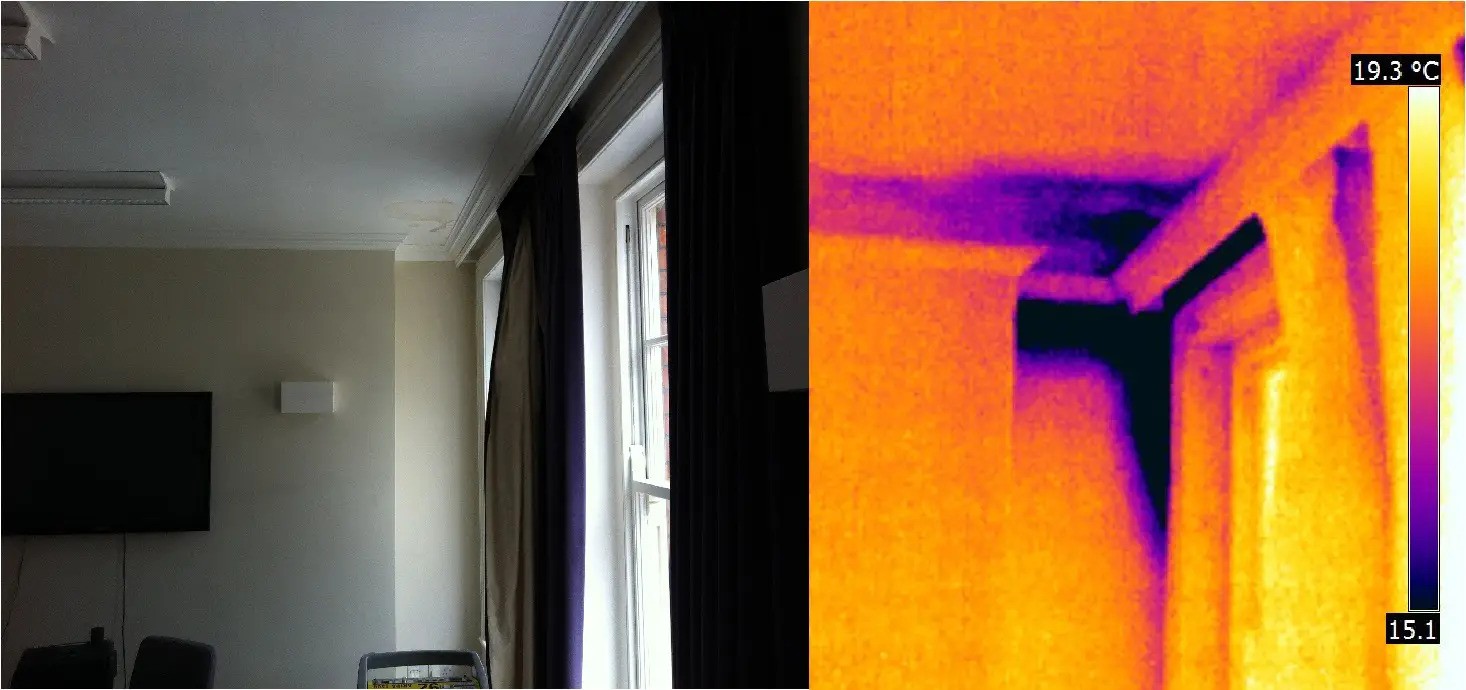
Thermal imaging allows professionals to detect moisture that cannot be seen with the naked eye. During Sanford’s storm season, this technology plays a critical role in identifying water intrusion early — before it turns into larger structural or mold-related problems.
Understanding how thermal imaging works and why it matters during storm season can help homeowners protect their properties more effectively.
Why Storm Season Creates Hidden Moisture Problems
Sanford experiences frequent summer storms and occasional tropical systems. These weather events introduce moisture in several ways:
- Wind-driven rain entering through roof gaps
- Water intrusion around windows and doors
- Saturated siding or stucco
- Roof flashing separation
- Attic moisture buildup
- Flooded yard grading affecting slab edges
Even when no standing water is visible indoors, moisture may have already penetrated structural materials.
Because Florida’s humidity remains high after storms pass, evaporation slows. Moisture can remain trapped inside drywall, insulation, and framing for extended periods.
Without detection, this hidden moisture may go unnoticed until visible damage develops.
What Thermal Imaging Inspections Actually Do
Thermal imaging cameras detect temperature differences across surfaces. Wet materials often display cooler temperature patterns compared to dry areas. This difference appears clearly on an infrared camera.
Thermal imaging allows inspectors to:
- Identify moisture behind walls
- Detect ceiling leaks
- Locate damp insulation
- Find water migration paths
- Assess roof-related intrusion
Importantly, thermal imaging does not damage walls or ceilings. It provides a non-invasive way to identify potential moisture problems quickly.
Why Visual Inspection Isn’t Enough During Storm Season
After a storm, many homeowners perform a quick visual check. If ceilings appear dry and walls look intact, they assume everything is fine.
However:
- Water may travel behind drywall without staining the surface
- Insulation may trap moisture with no visible signs
- Roof leaks may show up days later
- Moisture can migrate downward along framing
Visual inspection only shows surface conditions. Thermal imaging reveals what’s happening inside the structure.
During Sanford’s storm season, hidden intrusion is common — especially after wind-driven rain.
Common Areas Where Thermal Imaging Detects Moisture
In Sanford homes, thermal imaging frequently identifies hidden moisture in:
Attic Spaces
Storms can lift shingles slightly or compromise flashing. Water may enter the attic without immediate ceiling damage. Thermal scans reveal damp insulation or roof deck moisture before staining appears.
Exterior Walls
Wind-driven rain can penetrate siding and migrate into wall cavities. Infrared cameras detect cooler, moisture-laden sections.
Around Windows and Doors
Seal failures may allow water to seep inside without obvious dripping.
Ceiling Cavities
Minor roof leaks often appear first in thermal scans before visible discoloration forms.
Slab Foundation Edges
Heavy rain can increase moisture levels along slab perimeters.
These hidden areas are often missed without specialized equipment.
Why Early Detection Matters in Sanford’s Climate
Sanford’s warm temperatures and high humidity create conditions where moisture problems escalate quickly.
If water intrusion remains undetected:
- Drywall may weaken
- Framing may swell
- Insulation may deteriorate
- Indoor humidity may increase
- Mold growth may develop
The longer moisture remains inside materials, the more extensive restoration may become.
Thermal imaging allows homeowners to address moisture early — often before major repairs are required.
How Thermal Imaging Supports Structural Drying
When moisture is detected, thermal imaging also guides the drying process.
It helps professionals:
- Identify the full extent of water migration
- Determine where air movers should be placed
- Monitor drying progress
- Confirm when materials return to safe moisture levels
Without accurate detection, drying may focus only on visible areas, leaving hidden dampness behind.
In Florida’s humid environment, incomplete drying increases the risk of recurring issues.
When Should Sanford Homeowners Schedule Thermal Imaging?
Thermal imaging inspections are particularly valuable:
- After heavy rain or hurricanes
- If you notice musty odors following storms
- When ceilings show minor staining
- If indoor humidity increases unexpectedly
- After roof repairs
- When purchasing a property during storm season
Proactive inspection is often less disruptive than reactive restoration.
The Professional Inspection Process
A structured thermal imaging inspection during Sanford’s storm season typically includes:
Exterior Assessment
Checking roof lines, flashing, siding, and window seals for potential entry points.
Interior Infrared Scan
Using thermal imaging cameras to scan walls, ceilings, and flooring for temperature irregularities.
Moisture Meter Verification
Confirming suspected moisture areas with calibrated moisture meters.
Documentation
Mapping affected areas to determine whether drying or repairs are necessary.
This process provides clarity before damage spreads further.
Why Thermal Imaging Is Especially Important in Florida
Florida’s climate makes moisture detection more complex than in dry regions.
Inspectors must understand:
- How humidity influences temperature readings
- How slab foundations retain moisture
- How attic heat affects infrared patterns
- How storm-driven water migrates through framing
Thermal imaging must be interpreted correctly to avoid misreading environmental conditions.
Local experience ensures accurate analysis.
Preventing Long-Term Damage After Storm Season
Thermal imaging is not only about finding problems — it helps prevent larger ones.
Sanford homeowners can reduce long-term risk by:
- Scheduling post-storm inspections
- Maintaining roof and flashing systems
- Sealing window and door gaps
- Monitoring attic ventilation
- Addressing minor leaks immediately
Early detection protects structural integrity and reduces restoration costs.
Why Local Experience Matters in Sanford
Storm patterns in Sanford differ from other parts of Florida. Central Florida experiences frequent afternoon storms, tropical systems, and sudden heavy downpours.
Understanding how these weather events impact local building materials is critical.
Inspections and More FL works throughout Sanford and surrounding communities with experience specific to Florida storm conditions. Local knowledge ensures thermal imaging inspections are thorough and accurately interpreted for this environment.
A Practical Next Step During Storm Season
If your Sanford home has experienced heavy rain, high winds, or extended humidity during storm season, thermal imaging provides a proactive way to detect hidden moisture.
Water intrusion does not always show itself immediately. Hidden dampness can quietly affect walls and ceilings long before visible damage appears.
A professional thermal imaging inspection offers clarity, early detection, and peace of mind during Florida’s unpredictable storm season.
