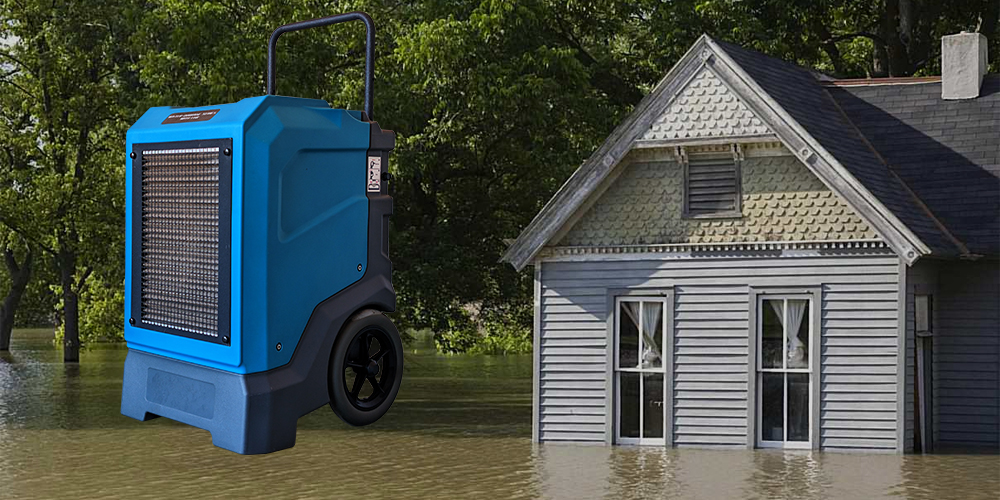
Following Hurricane Damage in Cocoa: A Closer Look at Anti-Microbial Fogging
Hurricane season in Cocoa is never just about wind. When major storms move across Florida’s east coast, they bring heavy rainfall, extended power outages, elevated humidity, and widespread moisture intrusion. Even homes that avoid direct flooding can experience roof leaks, attic saturation, window intrusion, and HVAC condensation issues.
Once the storm passes, homeowners often focus on visible repairs—roof shingles, siding panels, fencing, and debris removal. What frequently gets overlooked is what happens inside the structure and in the air.
Hurricane-related moisture can create ideal conditions for microbial growth. When water intrusion is hidden inside walls, insulation, or framing, microbial activity may begin quickly in Florida’s warm climate. After proper drying and remediation, anti-microbial fogging often becomes part of the recovery process.
Understanding how anti-microbial fogging works—and when it becomes necessary—helps Cocoa homeowners protect their properties following hurricane damage.
Why Hurricane Damage in Cocoa Creates Unique Moisture Conditions
Cocoa’s coastal location along the Indian River Lagoon exposes homes to:
-
Wind-driven rain
-
Salt air corrosion
-
Elevated dew points
-
Prolonged humidity
-
Storm surge risk
Even without standing water indoors, hurricanes can introduce moisture through:
-
Compromised roof flashing
-
Lifted shingles
-
Window and door seal failures
-
Attic vent intrusion
-
HVAC system disruptions
Because humidity levels remain high after storms, drying often takes longer than homeowners expect.
The Hidden Aftermath of Hurricane Moisture
Water intrusion is not always obvious. Moisture may spread silently into:
-
Attic insulation
-
Roof decking
-
Wall cavities
-
Subfloor systems
-
Slab edges
-
Crawl spaces
When materials remain damp for more than 24–48 hours, microbial growth can begin.
Even if visible mold is minimal, airborne microbial particles may circulate through the home.
That’s where anti-microbial fogging becomes relevant—after proper remediation steps are completed.
The First Priority: Drying and Remediation
Before anti-microbial fogging is considered, the home must undergo proper stabilization.
The structured recovery process typically includes:
-
Identifying and repairing the moisture source
-
Removing water-damaged materials
-
Deploying dehumidifiers and air movers
-
Monitoring moisture levels
-
Conducting mold remediation if necessary
Fogging does not replace these steps. It supports them.
Companies such as Inspections and More FL often emphasize full moisture correction before recommending fogging services.
What Anti-Microbial Fogging Does
Anti-microbial fogging disperses a fine mist of antimicrobial solution throughout a space.
The fog:
-
Settles on exposed surfaces
-
Reduces surface microbial presence
-
Addresses odor-causing bacteria
-
Supports post-remediation sanitation
-
Reduces airborne particulates
Fogging is most effective after contaminated materials have been removed and drying has been completed.
Why Fogging Becomes Necessary After Hurricanes
Hurricane damage often creates widespread but uneven moisture exposure.
Common scenarios include:
1. Attic Saturation
Wind-driven rain enters attic spaces, dampening insulation and framing.
2. Ceiling Leaks
Water travels across roof decking before staining ceilings.
3. HVAC Disruption
Power outages raise humidity levels and allow condensation buildup.
4. Slab Moisture Migration
Ground saturation increases moisture at floor level.
5. Crawl Space Dampness
Heavy rain and flooding elevate ground moisture.
After remediation and drying, fogging helps address residual airborne and surface microbial concerns.
Addressing Odors After Hurricane Events
Musty odors often linger after moisture events.
Even when visible water is gone, odors may remain due to:
-
Microbial residue
-
Damp framing
-
Insulation exposure
-
Humidity fluctuations
Anti-microbial fogging supports odor reduction by targeting odor-causing organisms.
However, it must follow drying and cleaning.
The Role of Air Quality in Hurricane Recovery
Hurricanes disturb more than just structures—they disturb air quality.
High winds can introduce:
-
Dust and debris
-
Outdoor particulates
-
Moisture-laden air
Once inside, these particles may circulate through HVAC systems.
Air scrubbing and fogging are often used together during recovery to stabilize indoor air.
Challenges of Fogging in Cocoa’s Coastal Climate
Cocoa’s environment presents specific considerations:
Elevated Humidity Must Be Controlled
Fogging should not occur in damp, uncontrolled humidity conditions.
Surface Cleaning Must Precede Fogging
Coatings and treatments should never trap contamination.
HVAC Systems Should Be Evaluated
Duct systems can recirculate moisture-related particles.
Proper Timing Is Essential
Fogging too early in the drying process reduces effectiveness.
A structured approach ensures meaningful results.
Cost Factors After Hurricane Damage
Costs vary depending on:
-
Size of affected area
-
Extent of moisture intrusion
-
Duration of drying
-
Equipment usage
-
Level of contamination
-
HVAC involvement
Early response significantly reduces overall restoration costs.
Delayed action often increases remediation scope.
Preventing Recurring Issues After Hurricanes
Cocoa homeowners can reduce long-term risk by:
-
Scheduling post-hurricane inspections
-
Monitoring attic spaces
-
Checking slab edges for dampness
-
Maintaining roof systems annually
-
Servicing HVAC equipment
-
Monitoring indoor humidity (45–55%)
-
Inspecting crawl spaces after heavy rain
Preventative care supports structural resilience.
Why Local Experience Matters
Cocoa’s hurricane recovery conditions include:
-
Lagoon-driven humidity cycles
-
Salt air exposure
-
Slab-on-grade construction
-
Frequent storm systems
-
Elevated dew points
Professionals familiar with Cocoa, Merritt Island, Melbourne, Palm Bay, and Sanford understand how Florida’s climate affects post-hurricane moisture behavior.
Local expertise ensures anti-microbial fogging is used appropriately—not excessively and not prematurely.
Long-Term Benefits of Proper Fogging
When used correctly after hurricane damage, anti-microbial fogging helps:
-
Support sanitation efforts
-
Reduce airborne microbial particles
-
Address lingering odors
-
Enhance post-remediation recovery
-
Restore indoor air stability
It works best as part of a comprehensive moisture management strategy.
A Practical Takeaway for Cocoa Homeowners
Following hurricane damage in Cocoa, moisture intrusion may be widespread—even when visible flooding is minimal. Structural drying and mold remediation are the first priorities. Once those steps are completed, anti-microbial fogging can support surface sanitation and air quality stabilization.
Fogging is not a shortcut or substitute for drying. It is a complementary step that enhances recovery after moisture events.
In Florida’s humid coastal climate, managing both surfaces and air is essential after hurricane damage. By combining moisture detection, drying, remediation, and proper fogging, Cocoa homeowners can protect their properties from long-term microbial and structural concerns.