
Following Hurricane Damage in Palm Bay: A Closer Look at Moisture Detection
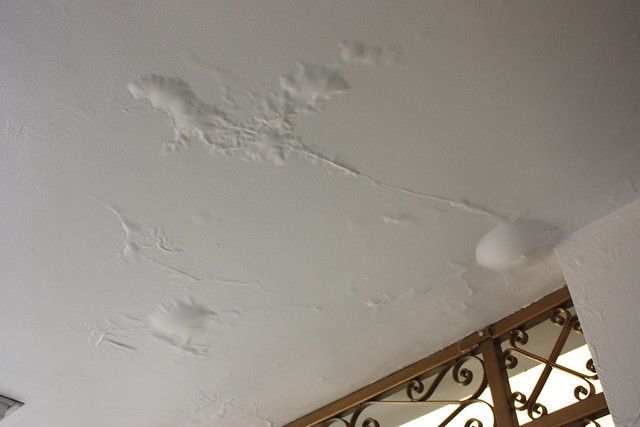
Hurricane season in Palm Bay is something every homeowner prepares for. We secure outdoor furniture, check shutters, clear gutters, and monitor the forecast. But once the winds die down and the skies clear, a different kind of risk begins — hidden moisture.
After hurricane damage, moisture detection becomes one of the most important steps in protecting your home. Not all damage is obvious. Water doesn’t always pour in dramatically. Sometimes it seeps in quietly through small roof breaches, window seals, siding gaps, or foundation cracks. And when moisture stays trapped inside walls, ceilings, or flooring, it can create long-term structural and mold problems.
In Palm Bay’s humid climate, quick and accurate moisture detection isn’t just helpful — it’s essential.
What Moisture Detection Really Means
Moisture detection goes far beyond looking for visible water stains.
Professional moisture detection involves identifying:
- Hidden water inside walls
- Damp insulation
- Moisture under flooring
- Wet roof decking
- Elevated humidity within structural cavities
After a hurricane, even a small amount of water intrusion can spread through porous materials like drywall and wood framing. By the time discoloration appears, damage may already be extensive.
Moisture detection focuses on locating water early — before mold growth, wood rot, or material failure occurs.
Why Hurricane Damage in Palm Bay Often Leads to Hidden Moisture
Palm Bay’s coastal environment increases the risk of water intrusion during storms.
Wind-Driven Rain
Hurricane-force winds push rain sideways, forcing it behind siding, under shingles, and around window frames. Even well-maintained homes can experience minor breaches.
Roof Uplift and Shingle Damage
Strong winds can lift shingles slightly without fully tearing them off. That small gap allows water to penetrate beneath the roofing layer and soak into decking and attic insulation.
Flooding and High Water Tables
Palm Bay neighborhoods near canals or low-lying areas may experience ground saturation. Water can wick upward through slab foundations, especially in older homes.
HVAC and Duct Exposure
Heavy rain combined with power outages can create condensation and humidity spikes inside HVAC systems, leading to moisture buildup in ductwork and air handlers.
Common Signs Homeowners Notice After a Hurricane
Some signs appear quickly. Others take days or even weeks.
Homeowners often report:
- Ceiling stains
- Bubbling or peeling paint
- Warped baseboards
- Soft drywall
- Musty odors
- Floors that feel slightly uneven
Even if everything looks normal, moisture can still be trapped behind walls.
In Palm Bay’s humidity, trapped water doesn’t dry quickly on its own. Instead, it lingers.
Hidden Areas Most at Risk
Hurricane-related moisture rarely stays in one spot. It spreads.
Behind Interior Walls
Water entering from roof or siding damage travels downward through wall cavities. Insulation absorbs it and holds it in place.
Under Hardwood or Laminate Flooring
Moisture can migrate beneath flooring surfaces, causing subtle warping before visible damage appears.
Attic Spaces
Roof leaks during storms often go unnoticed in attics. Wet insulation and damp roof decking can remain hidden for weeks.
Crawl Spaces
Heavy rainfall increases ground moisture, especially in homes with vented crawl spaces.
Why Waiting Can Make Things Worse
One of the biggest mistakes homeowners make after a hurricane is assuming that if there’s no visible flooding, everything is fine.
In Palm Bay’s climate, elevated humidity accelerates mold growth. Mold can begin developing within 24–48 hours in damp materials.
Moisture that remains trapped inside:
- Weakens wood framing
- Damages insulation
- Deteriorates drywall
- Creates indoor air quality concerns
Early moisture detection prevents small intrusions from becoming large remediation projects.
Why DIY Checks Are Often Incomplete
Homeowners often try:
- Touching walls to check for dampness
- Looking for visible stains
- Using small handheld humidity meters
- Running fans and dehumidifiers
While these steps are helpful, they rarely detect moisture hidden behind surfaces.
Water doesn’t always feel wet from the outside. Drywall can appear solid while insulation behind it remains soaked.
Without professional tools, hidden moisture often goes unnoticed.
Professional Moisture Detection Process Explained
Following hurricane damage in Palm Bay, a structured inspection is critical.
1. Visual Assessment
Inspectors begin by evaluating:
- Roofing
- Siding
- Windows and doors
- Attic spaces
- Baseboards and ceilings
Subtle signs often indicate where water may have entered.
2. Moisture Meter Testing
Specialized moisture meters measure the moisture content inside walls, flooring, and framing materials. Elevated readings identify hidden damp areas.
3. Thermal Imaging
Thermal cameras detect temperature differences caused by moisture. Wet materials cool differently than dry ones, revealing hidden water behind walls and ceilings.
4. Humidity Analysis
Indoor humidity levels are measured to determine whether the environment is promoting moisture retention.
5. Mapping the Affected Areas
Professionals document affected zones to determine whether structural drying or remediation is necessary.
This detailed approach ensures nothing is overlooked.
What Happens If Moisture Is Found
If elevated moisture levels are detected, the next step isn’t guesswork — it’s controlled drying.
That may include:
- Industrial dehumidification
- Air mover placement
- Removing saturated insulation
- Opening wall cavities when necessary
- Structural dryouts
- Monitoring moisture levels until stabilization
The goal is to restore materials to safe moisture content before reconstruction begins.
Prevention After Storm Season
Once your home has been evaluated and dried properly, prevention becomes the focus.
Palm Bay homeowners can reduce future risk by:
- Scheduling post-storm roof inspections
- Checking attic insulation annually
- Sealing exterior gaps
- Ensuring gutters and drainage systems function properly
- Monitoring indoor humidity levels
- Inspecting crawl spaces during rainy months
Routine moisture detection inspections are especially valuable in hurricane-prone areas.
Why Local Experience Matters in Palm Bay
Storm patterns, building styles, and soil conditions in Palm Bay differ from inland cities like Sanford or even coastal Cocoa.
Local professionals understand:
- Common roof vulnerabilities in Palm Bay neighborhoods
- How high humidity affects drying timelines
- Where water intrusion typically occurs
- How coastal weather accelerates material deterioration
Inspections and More FL has worked extensively throughout Palm Bay and surrounding areas, performing moisture detection following storms and hurricanes. Local familiarity leads to faster diagnosis and more accurate drying plans.
A Calm and Practical Next Step
After hurricane damage, it’s natural to feel concerned. The key is responding methodically, not reactively.
Moisture detection provides clarity. It answers:
- Did water enter the home?
- Where did it travel?
- How wet are the materials?
- What needs drying or repair?
In Palm Bay’s humid coastal climate, early detection protects both your structure and your indoor environment.
If your home has experienced hurricane exposure — even without visible flooding — a professional moisture detection inspection offers peace of mind and prevents long-term complications.
Storms may be unavoidable in Florida, but hidden moisture damage doesn’t have to be.
