
How Air Blower Installation Protects Properties in Melbourne After Hidden Water Intrusion
Hidden water intrusion is one of the most damaging issues a Melbourne property can face — not because it’s dramatic, but because it’s quiet. Water can seep in through small roof gaps, window seals, plumbing joints, or AC condensate lines and remain unnoticed for days or even weeks.
By the time musty odors or warped flooring appear, moisture has often spread deep into structural materials.
In Melbourne’s coastal climate — and in nearby Merritt Island, Palm Bay, Cocoa, and Sanford — air blower installation plays a critical role in protecting homes and commercial spaces after hidden water intrusion is discovered.
What Hidden Water Intrusion Looks Like in Melbourne Homes
Hidden water intrusion rarely creates obvious puddles. Instead, it moves behind surfaces and saturates porous materials.
Common sources include:
- Minor roof leaks after storms
- Window seal failures from wind-driven rain
- AC condensate line overflows
- Plumbing leaks inside walls
- Slab moisture migration
- Attic condensation
In Melbourne’s humid environment, moisture doesn’t evaporate easily. Instead, it settles into:
- Drywall
- Wood framing
- Insulation
- Subfloors
- Cabinet bases
Without intervention, these materials remain damp and vulnerable.
Why Natural Drying Doesn’t Work in Coastal Melbourne
Melbourne’s proximity to the ocean means elevated humidity levels for much of the year. During summer and hurricane season, indoor humidity can easily climb above 60%.
High ambient humidity slows evaporation dramatically.
When moisture evaporates from wet materials, it enters the air. If the air is already saturated, drying slows to a crawl.
This is why simply opening windows or using household fans rarely solves hidden moisture problems.
Mechanical airflow and humidity control are required.
How Air Blower Installation Works
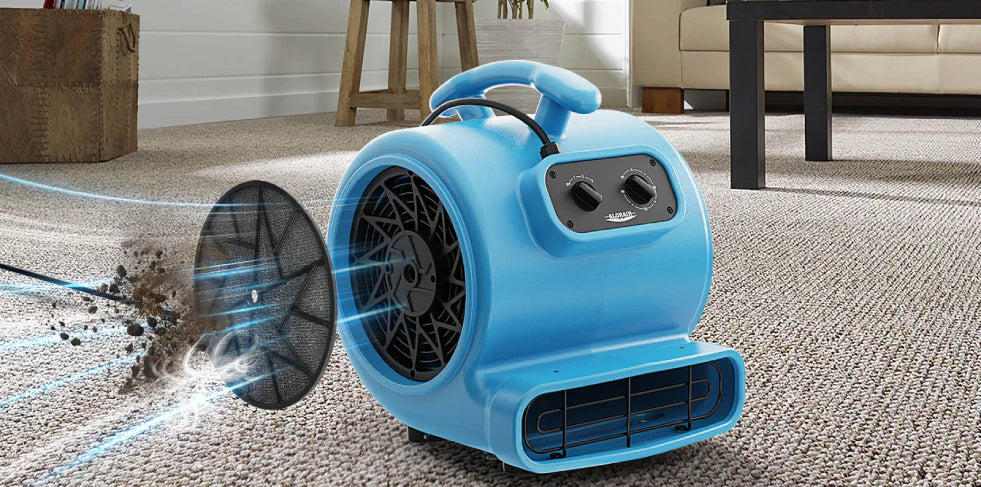
Air blowers — also known as high-velocity air movers — are designed to create targeted, controlled airflow across damp materials.
They:
- Increase evaporation rates
- Push moisture out of wall cavities
- Dry framing and subfloors
- Support dehumidification systems
- Reduce saturation time
In Melbourne properties, air blowers are strategically placed based on moisture detection results.
They are not randomly positioned. Placement is determined by:
- Moisture meter readings
- Thermal imaging findings
- Location of intrusion
- Type of building materials involved
Proper airflow accelerates structural drying before mold has the opportunity to develop.
Areas Most Commonly Affected by Hidden Intrusion
In Melbourne and surrounding areas, hidden water intrusion often affects:
- Exterior-facing walls
- Attic spaces
- Around windows and sliding glass doors
- Under hardwood or laminate flooring
- Air handler closets
- Crawl spaces in certain construction types
Water can travel downward through framing, sometimes reaching subfloor systems.
Air blower installation may be required at multiple levels of the structure — not just where moisture was first detected.
The Role of Dehumidification
Air blowers alone do not remove moisture from the building. They release moisture into the air.
That’s why professional drying setups combine:
- Air movers
- Commercial dehumidifiers
- Moisture monitoring equipment
- Sometimes HEPA air scrubbers
Dehumidifiers extract the airborne moisture created by evaporation.
Without dehumidification, humidity levels rise, slowing drying and increasing mold risk.
Companies such as Inspections and More FL approach hidden intrusion cases methodically because incomplete drying leads to repeat issues in Florida’s climate.
Preventing Mold Growth After Hidden Intrusion
In warm, humid conditions like Melbourne’s, mold can begin developing within 24–72 hours after water exposure.
Air blower installation helps by:
- Reducing the time materials stay wet
- Lowering saturation levels quickly
- Supporting full structural drying
- Minimizing conditions conducive to microbial growth
Early intervention often prevents the need for extensive mold remediation later.
The faster moisture is addressed, the lower the long-term impact.
Why DIY Fans Are Not Enough
Homeowners sometimes attempt to dry areas with household fans.
This approach is limited because:
- Airflow lacks directional pressure
- No moisture measurements confirm dryness
- Wall cavities remain sealed
- Humidity levels remain uncontrolled
- Subfloor systems remain saturated
Professional air blowers are designed to create consistent, high-velocity airflow.
Drying is monitored daily to ensure materials return to acceptable moisture levels.
Without measurement, it’s impossible to confirm that hidden moisture is gone.
Long-Term Protection for Melbourne Properties
After hidden water intrusion is resolved, prevention becomes the next focus.
Property owners in Melbourne should consider:
- Inspecting roofs before and after storm season
- Resealing windows exposed to wind-driven rain
- Cleaning AC condensate lines regularly
- Monitoring indoor humidity (ideal range 45–55%)
- Evaluating attic ventilation
- Scheduling periodic moisture inspections
Coastal exposure means homes are constantly challenged by humidity and salt air.
Proactive maintenance reduces repeat intrusion risks.
Why Local Coastal Experience Matters
Drying hidden moisture in Melbourne requires understanding Florida’s environmental conditions.
Local professionals recognize:
- Coastal humidity behavior
- Wind-driven rain infiltration patterns
- Slab foundation moisture interaction
- Attic condensation cycles
- HVAC performance challenges in humid climates
This regional knowledge ensures air blower systems are properly placed and monitored.
Without local experience, hidden moisture can be underestimated.
A Practical Next Step
If your Melbourne property has experienced hidden water intrusion — even without visible flooding — evaluating moisture levels is a practical step.
Air blower installation protects structural materials by accelerating controlled drying and preventing long-term deterioration.
In Florida’s coastal climate, especially in Melbourne and nearby communities like Palm Bay, Merritt Island, and Cocoa, managing hidden moisture promptly is key to maintaining structural integrity and indoor comfort.
Early action protects your property long after the initial intrusion has been discovered.
