
How Air Blower Installation Protects Properties in Palm Bay After Plumbing Leaks
 In Palm Bay, plumbing leaks rarely stay small for long.
A cracked supply line under a sink. A failed water heater in the garage. A slow leak inside a bathroom wall. Even a minor pipe issue can release enough moisture to soak drywall, insulation, flooring, and framing within hours.
And in Florida’s humid climate, that trapped moisture doesn’t dry on its own.
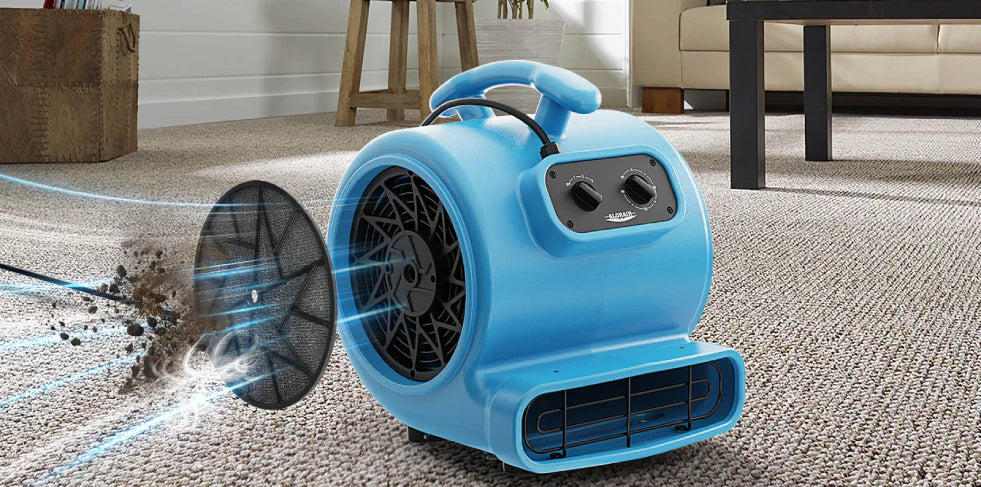
That’s where professional air blower installation becomes critical. Air movers — often called air blowers — play a major role in protecting properties after plumbing leaks by accelerating structural drying and preventing mold growth.
Let’s walk through how they work and why they matter so much in Palm Bay homes.
What Air Blowers Actually Do
Air blowers are high-velocity air movers designed to push large volumes of air across wet surfaces.
Unlike standard household fans, professional air movers:
- Create controlled airflow patterns
- Increase evaporation speed
- Target wet drywall and flooring
- Work alongside dehumidifiers
- Reach under cabinets and inside cavities
When installed properly after a plumbing leak, they help remove moisture from:
- Wall cavities
- Subfloor materials
- Baseboards
- Insulation
- Concrete slabs
They don’t just dry the surface — they accelerate moisture release from building materials.
Why Plumbing Leaks Are So Risky in Palm Bay
Palm Bay properties face several moisture-related challenges that make fast drying essential.
High Ambient Humidity
Outdoor humidity often sits above 70–80%. That means wet materials dry much slower without mechanical assistance.
Slab Foundations
Most Palm Bay homes sit on concrete slabs. When plumbing leaks occur, water seeps into porous concrete and spreads outward.
Concrete absorbs water quickly — and releases it slowly.
Warm Temperatures
Florida heat accelerates microbial growth. Mold can begin forming within 24–48 hours if materials remain damp.
AC Condensation Overlap
Sometimes plumbing leaks combine with AC condensation issues, compounding moisture exposure.
Because of these factors, natural air drying simply isn’t enough.
How Moisture Spreads After a Plumbing Leak
Water rarely stays confined to one spot.
Here’s how it spreads:
- Water saturates drywall and insulation
- Moisture travels along framing studs
- It seeps beneath baseboards
- It spreads under laminate or hardwood flooring
- It penetrates slab concrete
Even if the visible water is cleaned up quickly, moisture remains trapped inside materials.
Without air blower installation, that trapped moisture lingers for days or weeks.
Common Signs Hidden Moisture Remains
Palm Bay homeowners often notice:
- Musty odors
- Slight warping of baseboards
- Soft drywall areas
- Humid feeling rooms
- AC running constantly
- Floor cupping or lifting
These symptoms often appear days after the leak.
By that point, moisture has already migrated beyond the original source.
Why Air Blower Installation Is Critical
Air blowers protect properties in several ways.
Accelerated Evaporation
Moving air across wet surfaces dramatically increases evaporation speed.
Still air traps moisture. Moving air releases it.
Preventing Mold Growth
Fast drying reduces the time materials remain wet — limiting mold risk.
Protecting Structural Materials
Drying framing, subfloors, and drywall early prevents warping and deterioration.
Reducing Repair Costs
The faster materials dry, the more likely they can be saved instead of replaced.
Supporting Dehumidification
Air movers work alongside commercial dehumidifiers. Air blowers release moisture from materials. Dehumidifiers remove that moisture from the air.
It’s a coordinated process.
Why Household Fans Aren’t Enough
Homeowners sometimes place box fans near a wet area. While helpful for surface drying, they fall short because:
- They lack directional airflow power
- They don’t create proper circulation patterns
- They can’t dry inside walls
- They don’t support controlled humidity reduction
Professional air blowers are designed specifically for structural drying.
Placement matters. Angle matters. Airflow direction matters.
Improper setup reduces effectiveness significantly.
The Proper Air Blower Installation Process
After a plumbing leak in Palm Bay, proper drying includes:
Step 1: Moisture Detection
Moisture meters and thermal imaging identify affected areas.
Step 2: Water Extraction
Standing water is removed immediately.
Step 3: Strategic Air Blower Placement
Air movers are positioned to create cross-flow and target wet materials.
Step 4: Dehumidifier Setup
Commercial dehumidifiers remove airborne moisture created during evaporation.
Step 5: Monitoring
Daily moisture readings confirm progress.
Step 6: Controlled Removal
Equipment stays in place until materials reach safe moisture levels.
Rushing the process often leads to incomplete drying.
Special Considerations in Palm Bay Homes
Local experience matters because Palm Bay properties often include:
- Tile flooring over slab
- Air handler closets inside living areas
- Garage water heaters
- Aging plumbing lines
- Attic ductwork in hot environments
Each of these factors influences drying strategy.
For example, slab moisture may require extended air movement. Bathroom leaks may require wall cavity drying.
Professionals familiar with Palm Bay, Melbourne, Merritt Island, Cocoa, and Sanford homes understand these nuances.
Inspections and More FL focuses on identifying moisture spread patterns and installing air blowers strategically — not randomly.
Preventing Long-Term Damage After a Leak
Fast action protects your property.
After any plumbing leak:
- Shut off water immediately
- Remove visible water
- Contact a professional for moisture evaluation
- Avoid reinstalling flooring too quickly
- Monitor indoor humidity
- Inspect adjacent rooms
The first 48 hours matter most.
Air blower installation during that window dramatically reduces mold risk.
A Calm, Practical Next Step
If your Palm Bay home has experienced a plumbing leak — even a small one — it’s important to consider what happened beneath the surface.
Water spreads silently through walls and under floors. Proper air blower installation ensures moisture doesn’t linger long enough to cause secondary damage.
In Florida’s humid climate, passive drying simply isn’t reliable.
With professional moisture detection and controlled airflow installation, most properties can recover quickly and safely.
Air movement may seem simple, but when applied correctly, it becomes one of the most powerful tools in protecting your Palm Bay home after plumbing leaks.
