
How Air Blower Installation Protects Properties in Palm Bay Inside Commercial Buildings
Commercial buildings in Palm Bay face a different set of moisture challenges than residential homes.
Office complexes, medical suites, retail spaces, and light industrial buildings all operate year-round in a coastal Florida climate where humidity is constant. When indoor air starts to feel damp — even slightly — it can affect not only the building itself, but employees, customers, and equipment.
In many commercial properties, moisture doesn’t sit out in the open.
It collects quietly behind interior walls, above drop ceilings, and inside large wall cavities where airflow is limited.
In certain situations, air blower installation becomes part of a long-term moisture protection strategy — especially when buildings have experienced past water intrusion or persistent humidity imbalance.
Here’s how it works, and why it matters in Palm Bay.
Why Commercial Buildings in Palm Bay Struggle With Hidden Moisture
Palm Bay’s environment creates consistent humidity pressure due to:
- High year-round moisture levels
- Heavy summer rainstorms
- Hurricane-season wind-driven rain
- Flat or low-slope commercial roofing systems
- Large HVAC systems running continuously
Commercial buildings often have:
- Extensive interior wall cavities
- Drop ceilings hiding ductwork
- Large open spaces with uneven airflow
- Exterior walls exposed to direct storm impact
When moisture enters — even in small amounts — it can linger inside enclosed spaces longer than expected.
In Florida’s warm climate, prolonged dampness increases the risk of microbial growth and material deterioration.
How Moisture Gets Inside Commercial Wall Cavities
In Palm Bay commercial buildings, moisture intrusion may come from:
- Roof membrane failures
- Flashing gaps
- HVAC condensation
- Plumbing line leaks
- Poor exterior sealing
- Elevated indoor humidity
Because commercial walls are often taller and deeper than residential ones, airflow inside these cavities is minimal.
That means once moisture enters, it may not dry effectively without intervention.
What Air Blower Installation Actually Does
Air blower installation involves placing controlled ventilation fans inside or connected to enclosed wall cavities.
These systems are designed to:
- Increase airflow behind drywall
- Prevent moisture stagnation
- Reduce long-term humidity buildup
- Support ongoing drying in targeted areas
They are not high-speed demolition fans.
Instead, they provide steady, controlled airflow to areas that otherwise remain stagnant.
When designed properly, they become part of a preventative moisture management system.
When Air Blower Systems Are Appropriate in Commercial Buildings
Air blower installation may be considered when:
- A building has experienced prior water intrusion
- Wall cavities show recurring dampness
- Structural drying has already been completed
- Moisture sources have been corrected
- Certain zones consistently test higher for humidity
For example, medical offices, retail units, or administrative buildings near Palm Bay’s coastal areas may have exterior-facing walls that repeatedly experience wind-driven rain exposure.
If those areas show ongoing humidity imbalance, airflow improvements may provide long-term protection.
Moisture Detection Must Come First
Before installing any wall cavity airflow system, a professional moisture evaluation is critical.
This includes:
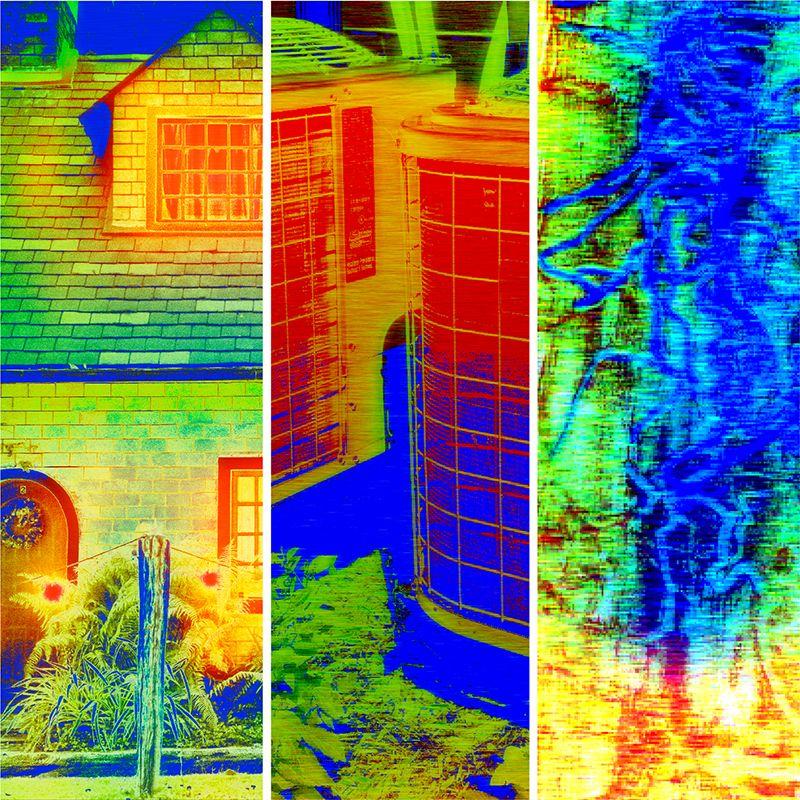
- Thermal imaging inspections
- Moisture meter readings
- Humidity monitoring
- Roof and exterior envelope inspection
- HVAC performance evaluation
Air blowers should never be installed to mask active leaks.
If water is still entering through roofing or plumbing, airflow alone will not solve the problem.
The source must be corrected first.
The Relationship Between Air Movement and Dehumidification
Air blowers move air.
Dehumidifiers remove moisture from that air.
In Palm Bay’s humid climate, both systems often work together.
Without dehumidification:
- Circulated air may still contain high moisture levels
- Condensation may continue forming
- Wall cavities may remain damp
In commercial settings, whole-building humidity control is often necessary to stabilize conditions.
Air movement supports moisture reduction — it does not replace it.
Protecting Commercial Assets and Operations
Moisture problems inside commercial buildings affect more than drywall.
They can impact:
- Inventory
- Electronic equipment
- Ceiling tiles
- Flooring systems
- Office furniture
- Employee comfort
Musty odors or elevated humidity can create operational disruptions.
Air blower installation, when used appropriately, helps protect enclosed spaces from becoming long-term moisture reservoirs.
That means fewer recurring complaints and less downtime for repairs.
HVAC Considerations in Large Buildings
Palm Bay commercial buildings typically rely on larger HVAC systems.
If ductwork leaks or condensation develops in ceiling spaces, humid air may migrate into wall cavities.
Air blower systems must be coordinated with HVAC airflow patterns.
Improper installation could:
- Pull humid attic air into walls
- Disrupt pressure balance
- Increase condensation
Professional planning ensures airflow moves in the correct direction and supports overall building performance.
Preventing Mold Growth in Commercial Interiors
Mold requires:
- Moisture
- Organic material
- Moderate temperature
Commercial buildings provide all three when humidity remains elevated.
By improving airflow and maintaining humidity below 55%, property managers reduce the likelihood of microbial growth inside concealed areas.
Air blowers help prevent stagnant air pockets that allow dampness to persist.
However, if mold is already present, remediation must occur before installation.
Why DIY Ventilation Modifications Are Risky
Some property managers attempt to add vents or small fans without full evaluation.
Risks include:
- Spreading hidden contamination
- Creating pressure imbalances
- Drawing humid outdoor air inside
- Masking unresolved water intrusion
Commercial buildings are complex systems.
Air movement adjustments must be engineered carefully.
Long-Term Moisture Protection Strategies
Air blower installation works best as part of a broader protection plan that includes:
- Regular roof inspections
- Exterior sealing maintenance
- Indoor humidity monitoring
- HVAC servicing
- Drainage improvements around the building
Moisture control in Palm Bay is continuous.
Commercial properties require proactive strategies to prevent repeat problems.
Why Local Experience Matters in Palm Bay
Palm Bay’s coastal proximity and storm exposure create specific moisture behaviors.
A professional familiar with local commercial construction understands:
- Common roof membrane failure points
- How wind-driven rain affects exterior walls
- How slab construction influences floor-level humidity
- How to balance airflow in large commercial spaces
Inspections and More FL works with Palm Bay property owners and managers who face these humidity challenges regularly.
Local knowledge leads to more effective long-term protection.
A Practical Next Step for Commercial Property Owners
If your Palm Bay commercial building experiences recurring damp air, musty odors, or hidden wall moisture, a structured moisture evaluation is the first step.
Air blower installation may be recommended.
Or the solution may involve dehumidification, HVAC adjustments, or exterior repairs.
The key is determining:
- Whether hidden moisture exists
- Whether airflow inside walls is inadequate
- Whether humidity levels are stable
- How to prevent recurrence
In Palm Bay’s humid coastal climate, proactive moisture control protects not just the structure — but the business operating inside it.
