
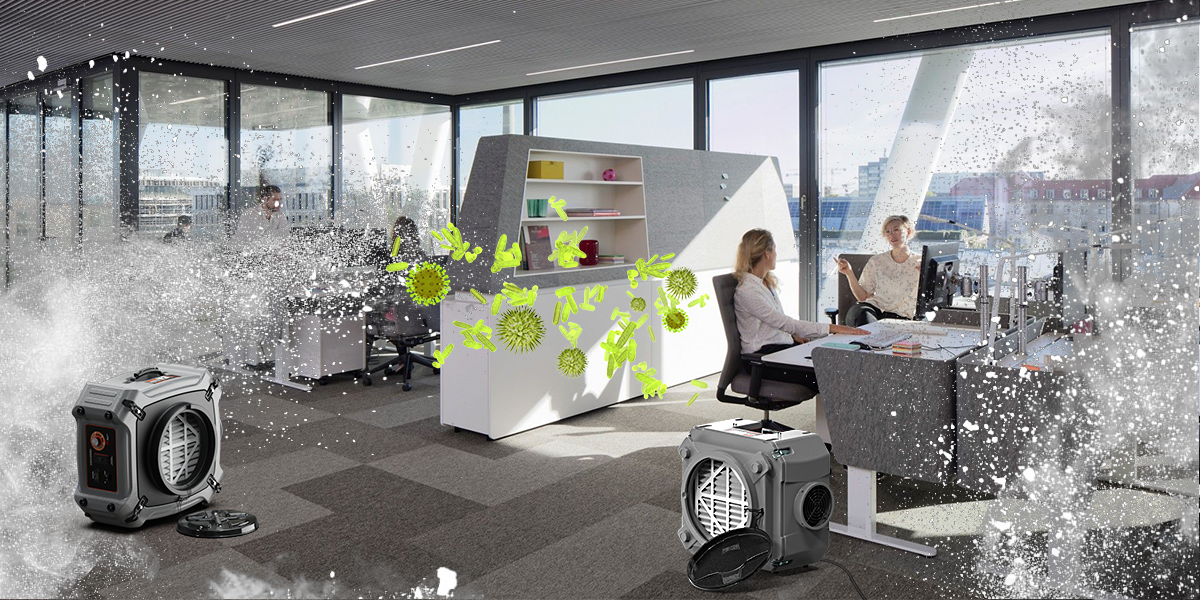
How Anti-Microbial Fogging Protects Properties in Cocoa Behind Interior Walls
In Cocoa, moisture doesn’t need a dramatic event to cause problems. A small plumbing drip, an AC condensation issue, or wind-driven rain during a storm can introduce moisture behind interior walls. Because Florida humidity slows natural drying, damp wall cavities can stay wet longer than most homeowners realize.
When that happens, microbial growth becomes a concern.
Anti-microbial fogging is often discussed during remediation in these situations. But what does it actually do? And how does it protect properties in Cocoa when moisture has affected areas behind drywall?
Let’s break it down clearly and practically.
Why Interior Wall Cavities Are Vulnerable in Cocoa Homes
Behind every interior wall, you have:
- Wood or metal studs
- Insulation
- Electrical wiring
- Plumbing lines
- Air pockets with minimal airflow
When moisture enters this space, evaporation is limited. In Cocoa’s high humidity environment, that moisture can linger for days or weeks.
Common sources of wall cavity moisture include:
- Minor plumbing leaks
- AC drain line overflows
- Sweating ductwork
- Roof leaks traveling downward
- Window seal failures during storms
- Slab moisture migration in older homes
Because the cavity is enclosed, problems often remain hidden until odors or surface damage appear.
Early Signs There May Be a Problem Behind the Wall
Property owners in Cocoa often notice subtle warning signs:
- Musty odors near one section of a room
- Bubbling or peeling paint
- Warped baseboards
- Soft drywall near floor level
- Slight discoloration in corners
- A damp feeling in one area
These signs don’t always mean visible mold is present — but they do indicate moisture may have been active.
What Anti-Microbial Fogging Actually Is
Anti-microbial fogging involves dispersing a fine mist of treatment solution into a contained area.
The fog:
- Reaches irregular surfaces
- Contacts framing and structural materials
- Helps reduce microbial presence on exposed surfaces
- Penetrates into open cavities more effectively than wiping alone
It is used as a supplemental step during remediation — not as a replacement for removal or drying.
Fogging does not fix moisture. It supports the cleaning process once moisture is controlled.
Why Cocoa’s Climate Makes Wall Cavities More Sensitive
Cocoa’s coastal environment contributes to recurring moisture concerns:
High humidity year-round
Moisture doesn’t evaporate quickly from wall cavities.
Storm-driven rain
Wind can force water into small gaps around windows and siding.
Long AC cycles
Condensation issues are common in duct systems.
Older slab foundations
Moisture can migrate upward into lower wall sections.
These conditions increase the likelihood of hidden dampness.
When wall cavities are opened during remediation, fogging can help treat surfaces that are difficult to access manually.
Step-by-Step: How Fogging Protects Wall Cavities
Step 1: Moisture Detection and Source Correction
Before fogging is even considered, professionals identify:
- Active moisture areas
- Elevated drywall readings
- Plumbing or condensation sources
Moisture meters and thermal imaging are often used.
The moisture source must be corrected first. Fogging without drying leads to recurrence.
Step 2: Remove Affected Porous Materials
If drywall or insulation is compromised, it is removed.
Opening the wall cavity allows:
- Inspection of framing
- Airflow during drying
- Proper cleaning
Fogging is not used on closed, wet cavities.
Step 3: HEPA Cleaning of Structural Surfaces
Exposed studs and sheathing are cleaned using HEPA vacuuming and damp wiping.
Physical removal of contamination is critical.
Fogging does not replace this step.
Step 4: Controlled Drying
Dehumidifiers and air movers operate until moisture readings confirm dryness.
In Cocoa’s humidity, drying may take longer than expected.
Drying must be verified before any sealing or fogging.
Step 5: Anti-Microbial Fogging Application
Once surfaces are clean and dry, fogging may be applied within the contained area.
The fine mist contacts:
- Wood framing
- Interior sheathing
- Hard-to-reach surfaces
- Irregular structural components
This step provides added protection in areas that are difficult to wipe thoroughly.
Step 6: Continued Dehumidification
Even after fogging, humidity must remain controlled.
Dehumidifiers continue operating to prevent reabsorption of moisture.
When Fogging Is Most Appropriate
In Cocoa homes, fogging is often appropriate when:
- Mold growth was present and removed
- Structural surfaces are exposed during remediation
- Wall cavities were opened
- Humidity levels are controlled
- Surfaces are dry and stable
It is not appropriate as a shortcut or cosmetic treatment.
Companies like Inspections and More FL focus on moisture mapping first because fogging is only effective when used correctly within a full remediation plan.
How Fogging Protects Long-Term Property Stability
When properly applied after cleaning and drying, fogging helps:
- Reduce microbial presence on structural framing
- Reach surfaces that are difficult to access
- Support odor reduction
- Provide added protection in high-humidity environments
- Stabilize treated areas before reconstruction
In Florida’s climate, added protection can make a difference in preventing recurrence — especially in moisture-prone homes.
Preventing Future Wall Cavity Issues in Cocoa
To reduce the likelihood of recurring moisture behind walls:
- Maintain AC systems regularly
- Flush drain lines
- Inspect windows after storms
- Address plumbing leaks immediately
- Monitor indoor humidity levels
- Evaluate slab moisture in older homes
- Schedule periodic moisture inspections
Prevention always costs less than repeated remediation.
Why Local Experience Matters
Wall cavity remediation in Cocoa requires understanding Florida’s moisture patterns.
Local professionals recognize:
- How humidity affects drying timelines
- How storm-driven rain enters structures
- How slab foundations contribute to lower wall moisture
- How long materials realistically take to dry
- When insulation must be removed versus dried
That experience ensures fogging is used strategically — not as a surface-level fix.
A Practical Next Step
If you suspect moisture behind interior walls in your Cocoa property — especially after storms, plumbing leaks, or AC issues — early evaluation is key.
Anti-microbial fogging can protect exposed structural surfaces when used after proper cleaning and drying.
In Florida’s climate, controlling moisture is always the first step. Once the environment is stable, fogging supports long-term protection and helps keep wall cavities from becoming recurring problem areas.
