How Dehumidification Protects Properties in Cocoa When AC Condensation Becomes a Problem
In Cocoa, air conditioning systems work almost year-round. Between coastal humidity from the Indian River Lagoon, long summer seasons, and frequent afternoon storms, AC units are under constant demand. While they cool the home effectively, they can also create a hidden moisture issue: condensation.
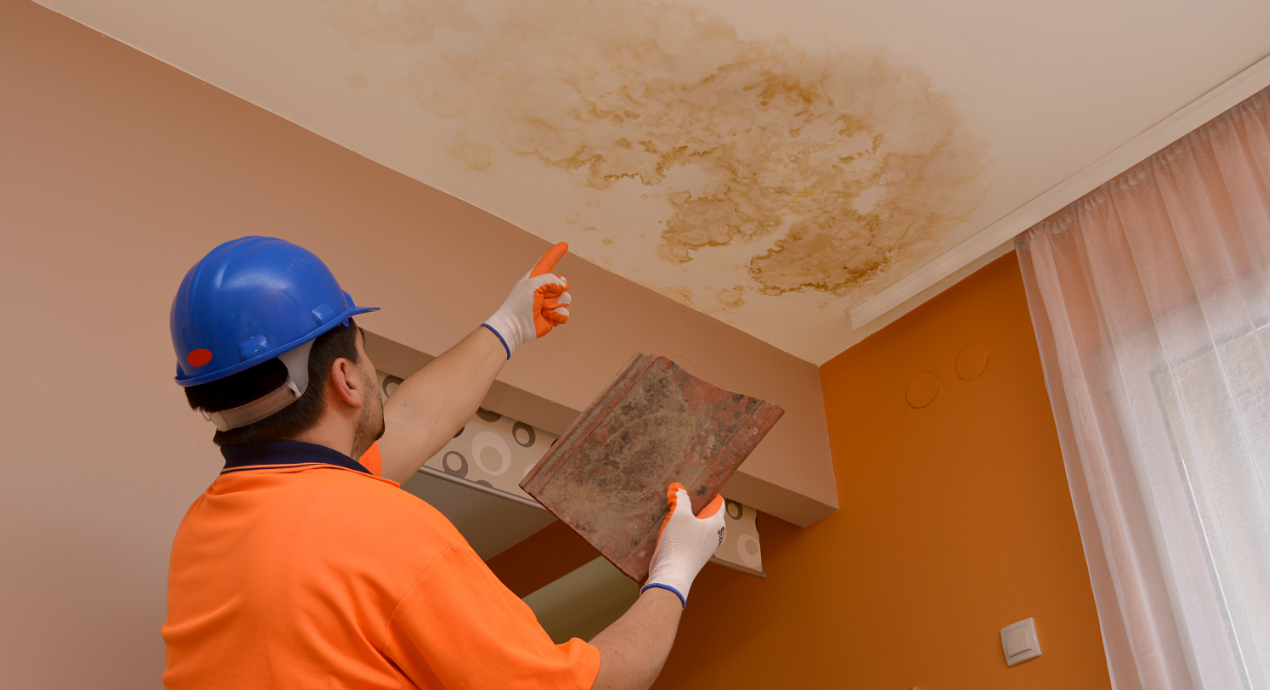
When cold air from ducts and coils meets warm, humid Florida air, moisture forms. In small amounts, this is normal. But when indoor humidity remains high or HVAC systems struggle to keep up, condensation can become excessive. Over time, this leads to damp insulation, stained ceilings, musty odors, and even structural damage.
Dehumidification plays a critical role in protecting properties when AC condensation becomes a problem. It addresses the root cause—excess moisture in the air—rather than just the symptoms.
Understanding how dehumidification works in Cocoa’s humid climate helps homeowners prevent recurring damage and long-term repair costs.
Why AC Condensation Is Common in Cocoa
Cocoa’s coastal location creates persistent humidity challenges.
High Dew Points
During much of the year, outdoor dew points remain elevated. This increases the likelihood that indoor air holds more moisture than the AC system can remove alone.
Coastal Air Exposure
Salt-laden air can weaken duct insulation and HVAC components over time, increasing condensation risk.
Attic HVAC Installations
Many Cocoa homes have air handlers and ductwork installed in hot attic spaces. When cold air flows through ducts surrounded by humid attic air, sweating occurs.
Long Cooling Cycles
AC systems often run for extended periods, leading to ongoing condensation on coils and duct surfaces.
Without proper humidity control, condensation can accumulate faster than it evaporates.
How AC Condensation Turns Into a Bigger Problem
Condensation becomes damaging when it moves beyond controlled drainage systems.
Common consequences include:
-
Wet attic insulation
-
Rusted duct fasteners
-
Ceiling drywall staining
-
Damp framing near air handlers
-
Mold growth on wood or drywall
-
Musty odors inside living spaces
Because Florida’s humidity slows natural drying, moisture lingers longer than homeowners expect.
The Relationship Between Humidity and Condensation
Condensation occurs when warm, moist air contacts a cooler surface.
If indoor humidity remains high:
-
Ductwork sweats more frequently
-
Air handler cabinets collect moisture
-
Vent boots drip onto ceilings
-
Attic framing absorbs dampness
Lowering indoor humidity reduces the temperature difference at which condensation forms.
This is where dehumidification becomes essential.
How Dehumidification Works
Dehumidifiers remove moisture from the air, lowering relative humidity levels throughout the home.
In Cocoa, maintaining indoor humidity between 45% and 55% significantly reduces condensation risk.
When humidity is controlled:
-
Cold surfaces are less likely to sweat
-
Insulation remains dry
-
Structural materials release trapped moisture
-
HVAC systems operate more efficiently
Dehumidification supports the cooling process rather than competing with it.
Step-by-Step: Addressing Condensation Issues in Cocoa Homes
Step 1: Diagnose the Source
Professionals evaluate:
-
Condensate drain lines
-
Drain pans
-
Duct insulation
-
Air handler placement
-
Indoor humidity levels
-
Attic ventilation
Thermal imaging and moisture meters help detect hidden damp areas.
Step 2: Correct Mechanical Failures
Before dehumidification is implemented, underlying issues must be addressed:
-
Clear clogged drain lines
-
Replace damaged drain pans
-
Repair duct insulation
-
Seal duct leaks
-
Adjust HVAC settings
Stopping active moisture production is essential.
Step 3: Dry Affected Materials
If insulation or drywall has become wet, dehumidifiers and air movers are used to stabilize moisture levels.
Drying prevents secondary mold growth.
Step 4: Install Dehumidification Solutions
Depending on the home’s needs, options may include:
-
Portable dehumidifiers for short-term drying
-
Whole-home dehumidifiers integrated with HVAC
-
Standalone systems in attic spaces
-
Humidity control upgrades
Equipment is sized based on square footage and moisture load.
Step 5: Monitor Humidity Levels
Homeowners are encouraged to use hygrometers to monitor indoor humidity.
Continuous monitoring ensures stable conditions.
Companies such as Inspections and More FL often emphasize humidity stabilization as a long-term protection strategy in Florida homes.
Why Ventilation Alone Is Not Enough in Cocoa
Some homeowners rely on passive ventilation to manage attic moisture.
However, during peak humidity months, outdoor air is often just as humid—or more humid—than indoor air.
Ventilation without dehumidification can introduce additional moisture.
Active humidity control provides more consistent protection.
Energy Efficiency Benefits
Excess humidity forces AC systems to work harder.
When humidity remains high:
-
Cooling feels less effective
-
Thermostats are lowered unnecessarily
-
Energy costs increase
Dehumidification allows homeowners to feel comfortable at slightly higher thermostat settings, reducing strain on HVAC systems.
Dry air cools more efficiently.
Preventing Mold Growth
Mold requires moisture, warmth, and organic material.
Cocoa provides warmth year-round. Structural wood and drywall provide organic material. Removing excess moisture interrupts the cycle.
Dehumidification protects:
-
Roof decking
-
Attic framing
-
Ceiling drywall
-
Duct insulation
-
Indoor air quality
Preventative moisture control is less costly than remediation.
Waterfront Homes in Cocoa Require Extra Attention
Homes near the Indian River Lagoon experience even higher humidity exposure.
Waterfront properties may benefit from:
-
Supplemental dehumidification
-
More frequent attic inspections
-
Enhanced duct insulation
-
Post-storm evaluations
Salt air and constant humidity create ongoing stress on HVAC systems.
Cost Considerations
Dehumidification costs vary based on:
-
Home size
-
Equipment type
-
Installation complexity
-
Electrical modifications
-
Extent of prior moisture damage
While installation involves investment, preventing mold remediation and structural repair saves significantly over time.
Long-Term Maintenance Tips
Cocoa homeowners can reduce condensation risk by:
-
Scheduling annual HVAC servicing
-
Flushing condensate drain lines
-
Inspecting attic duct insulation
-
Sealing air leaks
-
Monitoring humidity regularly
-
Scheduling post-storm inspections
-
Replacing worn insulation promptly
Proactive maintenance prevents recurring moisture cycles.
Why Local Expertise Matters
Cocoa’s coastal environment presents unique challenges:
-
Salt air corrosion
-
High dew points
-
Afternoon thunderstorms
-
Hurricane season
-
Slab moisture migration
Professionals experienced in Cocoa, Merritt Island, Melbourne, Palm Bay, and Sanford understand how Florida’s humidity interacts with HVAC systems.
Local knowledge improves equipment sizing, placement, and long-term planning.
A Practical Takeaway for Cocoa Homeowners
When AC condensation becomes a problem, the visible drip or stain is only part of the issue. The larger concern is elevated indoor humidity that allows condensation to continue forming.
Dehumidification protects properties by:
-
Reducing airborne moisture
-
Stabilizing structural materials
-
Supporting HVAC efficiency
-
Preventing mold growth
-
Preserving insulation performance
-
Protecting ceilings and framing
In Cocoa’s humid coastal climate, controlling moisture is just as important as cooling the air.
By combining mechanical repairs, structural drying, and consistent humidity control, homeowners can prevent AC condensation from turning into long-term property damage—ensuring comfort, efficiency, and structural protection for years to come.