
How Dehumidification Protects Properties in Merritt Island After Hidden Water Intrusion
Hidden water intrusion is one of the most common — and most underestimated — problems we see in Merritt Island homes. It doesn’t always come from dramatic flooding. More often, it starts quietly. A slow plumbing drip inside a wall. AC condensation buildup. Minor roof seepage after a storm. Ground moisture migrating through slab foundations.
In Merritt Island, where high humidity and coastal exposure are part of everyday life, that trapped moisture doesn’t simply evaporate. It lingers. It spreads. And over time, it begins affecting structural materials, indoor air quality, and overall property stability.
This is where professional dehumidification becomes critical. It’s not just about drying air. It’s about protecting the structure itself.
Understanding Hidden Water Intrusion in Merritt Island Homes
Hidden water intrusion means moisture has entered areas you can’t easily see. It may be:
- Behind drywall
- Beneath hardwood or tile flooring
- Inside attic insulation
- Within crawl spaces
- Around AC systems or ductwork
- Along slab foundation edges
Unlike surface water, hidden moisture absorbs into building materials. Drywall acts like a sponge. Wood framing holds water internally. Insulation traps damp air.
Because Merritt Island sits near waterways and has a high water table, homes are already exposed to elevated moisture levels year-round. Add in coastal air, frequent rainstorms, and hurricane seasons, and drying becomes more complex.
Why Merritt Island Properties Are Especially Vulnerable
The Florida climate plays a direct role in how moisture behaves.
Here’s what makes Merritt Island unique:
- Persistent humidity levels
- Salt air exposure near waterfront properties
- Frequent afternoon storms
- High groundwater pressure
- AC systems running nearly year-round
When hidden water intrusion happens in this environment, materials don’t dry naturally. Instead, moisture equalizes with humid indoor air and spreads laterally through walls and flooring.
Older homes on Merritt Island are particularly susceptible, especially those with:
- Slab foundations
- Aging plumbing systems
- Limited vapor barriers
- Poor attic ventilation
Without proper dehumidification, moisture remains trapped long after the original leak has stopped.
Early Warning Signs Property Owners Notice
Many homeowners don’t see obvious water damage at first. Instead, they notice subtle shifts:
- Musty or damp odors
- Slight floor warping
- Baseboards separating from walls
- Paint bubbling
- HVAC running longer than normal
- Rooms feeling warmer or more humid
Sometimes, indoor humidity simply feels heavier than usual.
These are early indicators that moisture may be lingering inside structural materials.
How Dehumidification Protects Structural Integrity
Professional dehumidification works by removing moisture from both the air and the materials themselves.
When materials get wet, they release moisture into surrounding air. If that air isn’t dried continuously, materials stay damp.
Dehumidification protects properties by:
Stabilizing Structural Materials
Wood framing, subfloors, and drywall begin weakening when moisture levels remain elevated. Controlled drying prevents warping, swelling, and long-term deterioration.
Preventing Secondary Damage
Moisture migration doesn’t stay in one place. It spreads to adjacent walls, flooring systems, and insulation. Dehumidification stops that spread.
Supporting Indoor Air Balance
High humidity impacts comfort and HVAC performance. Removing excess moisture restores indoor balance.
Reducing Long-Term Repair Costs
Early dehumidification limits the need for material replacement and large-scale reconstruction later.
Why DIY Drying Is Not Enough
Opening windows or running household fans may seem helpful, but in Merritt Island’s humid environment, this can actually worsen the situation.
DIY approaches fail because:
- Household dehumidifiers lack capacity
- Air movement alone doesn’t remove embedded moisture
- Surface drying does not equal structural drying
- Outdoor humidity can reintroduce moisture
True structural drying requires commercial-grade Low Grain Refrigerant (LGR) dehumidifiers and carefully planned airflow.
Without that equipment and monitoring, moisture remains inside materials.
The Professional Dehumidification Process Explained
At Inspections and More FL, dehumidification begins with identifying where moisture has traveled.
1. Moisture Detection
Technicians use:
- Moisture meters
- Hygrometers
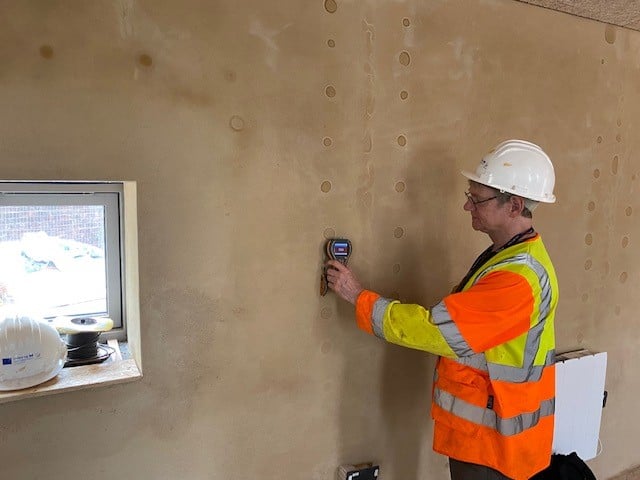
- Thermal imaging technology
This helps locate hidden moisture inside walls, floors, and ceilings.
2. Moisture Mapping
Affected areas are documented to understand the full scope of intrusion.
3. Controlled Air Movement
Air movers are strategically placed to direct airflow across damp surfaces and into affected cavities.
4. Industrial Dehumidifiers
LGR dehumidifiers continuously extract moisture from the air, allowing materials to release trapped water.
5. Daily Monitoring
Humidity and material readings are tracked to ensure steady progress.
6. Final Verification
Drying is complete only when materials return to acceptable moisture levels for Florida climate conditions.
This structured process protects properties from incomplete drying — one of the leading causes of future damage.
What Influences Dehumidification Duration and Cost
Every Merritt Island property is different. Several factors impact recovery time and cost:
Size of Affected Area
Drying a single room differs significantly from drying multiple rooms, crawl spaces, or attic systems.
Material Type
Hardwood flooring holds moisture longer than tile. Insulation may require removal if saturated.
Duration of Exposure
The longer moisture remains undetected, the deeper it penetrates.
Accessibility
Hidden areas may require partial wall or flooring access for proper airflow.
Weather Conditions
During storm season or high-humidity months, drying may take longer due to environmental moisture levels.
Most residential dehumidification projects take 3 to 10 days, depending on severity.
Hidden Sources That Often Get Overlooked
In Merritt Island homes, we commonly discover moisture coming from:
- AC drain line clogs
- Attic condensation buildup
- Crawl space humidity
- Minor roof flashing gaps
- Slab edge seepage
Even after the visible leak stops, moisture can remain inside structural cavities.
That’s why proper inspection matters just as much as drying.
Prevention Strategies for Merritt Island Homeowners
Once a property is dried, maintaining stable humidity is essential.
Keep Indoor Humidity Between 45–55%
Use whole-home dehumidification if necessary.
Maintain AC Systems
Regular servicing prevents condensation overflow.
Inspect After Storms
Heavy rains and hurricanes can introduce hidden moisture even without visible roof damage.
Monitor Crawl Spaces and Attics
These areas trap humidity easily, especially in coastal environments.
Schedule Routine Evaluations
Periodic moisture checks help detect small issues before they grow.
Why Local Experience Makes a Difference
Drying structures in Merritt Island is not the same as drying properties in drier climates.
Professionals must understand:
- Coastal humidity behavior
- Waterfront property challenges
- Slab foundation moisture patterns
- Florida building materials
- AC-driven condensation cycles
Local experience allows faster identification of moisture migration paths and more accurate equipment planning.
Inspections and More FL works throughout Merritt Island, Cocoa, Palm Bay, Melbourne, Sanford, and nearby communities. Understanding Florida’s environmental conditions helps ensure drying is complete and effective.
A Calm, Practical Next Step
Hidden water intrusion can feel overwhelming, especially when it isn’t visible. But with proper dehumidification, properties can be stabilized and protected.
The key is early evaluation and controlled drying.
If you suspect hidden moisture inside your Merritt Island home — whether from plumbing, storms, or AC issues — scheduling a professional inspection ensures the problem is addressed thoroughly.
Dehumidification isn’t just about drying a room. It’s about protecting your structure, preserving materials, and maintaining a healthy indoor environment in Florida’s challenging climate.
