How Dehumidification Protects Properties in Palm Bay Inside Attic Spaces
Attic spaces in Palm Bay homes take the brunt of Florida’s climate. Long summers, high humidity, sudden thunderstorms, and coastal air exposure create a demanding environment above the ceiling. While homeowners focus on roofing materials and insulation, the real long-term protection often comes down to one overlooked factor: humidity control.
When humidity levels rise inside an attic and remain elevated, structural materials begin to absorb moisture. Roof decking, rafters, trusses, insulation, and even metal fasteners can be affected. Over time, this leads to mold growth, wood deterioration, insulation breakdown, and recurring odor problems.
Dehumidification is one of the most effective ways to protect attic spaces in Palm Bay. It is not just about comfort—it is about structural preservation.
Understanding how dehumidification works, when it becomes necessary, and how it integrates into attic protection strategies can help homeowners avoid long-term damage.
Why Attics in Palm Bay Are Especially Vulnerable
Palm Bay sits in Brevard County, where humidity is a constant presence. Attics in this region experience extreme conditions.
High Ambient Humidity
Outdoor humidity often exceeds 70–80% during summer months. That moisture can enter attic spaces through vents and small openings.
Extreme Temperature Swings
Attics heat up dramatically during the day and cool rapidly at night. These temperature changes increase the likelihood of condensation forming on roof decking.
Wind-Driven Rain
Storms can push rain under shingles or through soffits, introducing moisture into insulation layers.
HVAC System Influence
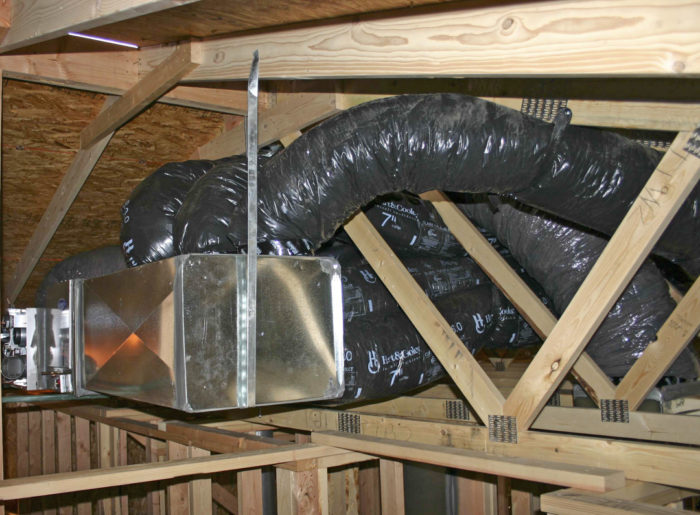
Leaky ducts or poorly insulated lines inside attics may produce condensation when cold air meets humid air.
Over time, even small moisture events accumulate.
What Happens When Attic Humidity Remains High
When attic humidity remains elevated, several issues develop gradually.
Mold Growth on Roof Decking
Wood roof sheathing can absorb moisture and support mold growth if humidity remains high.
Nail and Fastener Corrosion
Condensation forms on nail heads, leading to rust and potential weakening.
Insulation Saturation
Fiberglass or cellulose insulation can trap moisture, reducing energy efficiency.
Wood Warping
Framing materials may expand and contract with moisture cycles.
Indoor Air Impact
Air from attics can migrate into living spaces, carrying humidity and odors.
These problems often begin before visible signs appear inside the home.
How Dehumidification Works in Attic Spaces
Dehumidification removes excess moisture from the air, lowering relative humidity and allowing building materials to release absorbed moisture safely.
In Palm Bay attic environments, dehumidification:
-
Reduces airborne moisture levels
-
Stabilizes wood moisture content
-
Limits condensation formation
-
Supports mold prevention
-
Protects insulation effectiveness
It creates an environment less favorable to microbial growth.
When Attic Dehumidification Becomes Necessary
While not every attic requires active dehumidification, certain signs suggest it may be beneficial.
Persistent Musty Odors
Especially noticeable near attic access points.
Visible Mold Staining
Dark streaks or spotting on roof decking.
Rusted Nail Heads
Indicates condensation cycles.
High Indoor Humidity Despite AC Use
May signal attic moisture migrating downward.
Repeated Roof Leak History
Even repaired leaks can leave residual moisture.
Waterfront or High-Humidity Location
Palm Bay homes near canals or coastal zones are more susceptible.
An evaluation helps determine whether passive ventilation is sufficient or active dehumidification is needed.
Step-by-Step: How Attic Dehumidification Protects the Structure
Step 1: Moisture Assessment
Professionals inspect:
-
Roof decking
-
Rafters
-
Insulation
-
Ductwork
-
Ventilation pathways
Moisture meters and thermal imaging help identify damp areas.
Step 2: Address Moisture Sources
Before installing dehumidification equipment, any moisture intrusion must be corrected.
Common solutions include:
-
Repairing roof flashing
-
Sealing soffit gaps
-
Improving attic ventilation
-
Fixing duct leaks
-
Adjusting bathroom exhaust vent routing
Dehumidification works best after intrusion points are corrected.
Step 3: Install Appropriate Dehumidification Equipment
Options may include:
-
Portable industrial dehumidifiers during drying phases
-
Dedicated attic dehumidification systems
-
Whole-home dehumidifiers integrated with HVAC systems
The equipment selection depends on attic size and humidity levels.
Step 4: Stabilize Relative Humidity
The goal is often to maintain attic humidity levels below 60%, with many professionals targeting the 45–55% range for indoor environments.
Consistent humidity control prevents condensation.
Step 5: Monitor and Maintain
Humidity levels should be checked periodically, especially during peak summer months or after storms.
Monitoring ensures long-term effectiveness.
Companies such as Inspections and More FL often emphasize humidity stabilization as a preventative strategy in Florida homes.
Passive Ventilation vs. Active Dehumidification
Many Palm Bay homes rely on passive ventilation systems such as:
-
Ridge vents
-
Soffit vents
-
Gable vents
While ventilation helps regulate temperature, it does not always control humidity effectively—especially when outdoor air is already humid.
During extreme Florida summers, ventilation may introduce humid air rather than remove it.
Active dehumidification provides consistent control regardless of outdoor conditions.
Cost Considerations for Attic Dehumidification
Costs vary depending on:
-
Attic size
-
Severity of humidity problem
-
Type of equipment installed
-
Need for electrical modifications
-
Ventilation improvements
-
Duration of temporary drying
Early intervention often reduces expenses by preventing mold remediation or structural repairs later.
Preventing Mold Growth Through Humidity Control
Mold requires moisture, organic material, and warmth.
Palm Bay provides warmth year-round. Wood framing and insulation provide organic material. Removing moisture through dehumidification disrupts this cycle.
By keeping attic humidity controlled:
-
Mold risk decreases
-
Insulation remains effective
-
Roof decking remains stable
-
Fasteners resist corrosion
-
Indoor air quality improves
Prevention is significantly less costly than remediation.
The Impact on Energy Efficiency
High attic humidity affects insulation performance.
Wet insulation:
-
Loses thermal resistance
-
Increases cooling costs
-
Strains HVAC systems
Dehumidification supports energy efficiency by preserving insulation effectiveness.
This is particularly important in Palm Bay’s long cooling season.
Why Local Experience Matters in Palm Bay
Palm Bay’s environmental factors include:
-
Coastal humidity exposure
-
Frequent thunderstorms
-
Hurricane season
-
High water table in certain neighborhoods
-
Extended summer heat
Professionals familiar with Palm Bay, Melbourne, Cocoa, Merritt Island, and Sanford understand how attic moisture behaves in Florida homes.
Local expertise improves equipment selection and long-term planning.
Long-Term Maintenance Tips for Homeowners
Palm Bay homeowners can support attic moisture control by:
-
Inspecting roof systems annually
-
Checking for soffit blockages
-
Monitoring indoor humidity levels
-
Servicing HVAC systems regularly
-
Checking for duct insulation damage
-
Scheduling post-storm attic evaluations
-
Avoiding storage that blocks airflow
Proactive maintenance extends structural lifespan.
A Practical Takeaway
Attic spaces in Palm Bay homes are exposed to constant humidity pressure. Left unchecked, that moisture can lead to mold growth, wood deterioration, insulation failure, and indoor air concerns.
Dehumidification offers a proactive solution by stabilizing humidity levels before damage develops.
By combining:
-
Moisture source correction
-
Proper ventilation
-
Active humidity control
-
Routine monitoring
homeowners can protect attic structures long term.
In Florida’s humid climate, dehumidification is not just an optional upgrade—it is a preventative safeguard that helps preserve structural integrity, energy efficiency, and overall property value.