
How Moisture Detection Protects Properties in Cocoa After Flooding Events
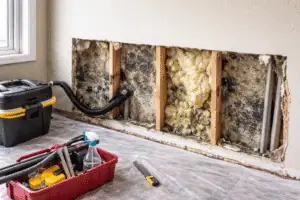
Flooding is a common concern for homeowners in Cocoa, Florida. Heavy rains, tropical storms, and hurricanes can overwhelm drainage systems, saturate soil, and allow water to infiltrate homes. While floodwater may recede quickly, the hidden moisture left behind poses serious risks to structural integrity, indoor air quality, and long-term property value.
Professional moisture detection is a critical first step in managing post-flood damage. It allows experts to locate water in areas that are not visible to the naked eye, including subfloors, crawl spaces, wall cavities, and attics. For Cocoa homeowners, this technology not only guides remediation efforts but also helps prevent mold growth, wood rot, and prolonged humidity issues that could worsen over time.
What the Issue Is
After flooding events, water often penetrates areas that homeowners cannot easily access or see:
- Crawl spaces and subfloors – Rising floodwater or heavy rainfall can saturate soil beneath slab foundations, transferring moisture into subflooring and joists.
- Wall cavities – Water may infiltrate drywall, insulation, and framing without obvious signs on the surface.
- Attics and ceilings – Condensation or leaks can travel from the roof or upper-level walls during storm events.
- HVAC systems and ductwork – Flooding and high humidity can introduce water into HVAC units, ducts, and vents.
- Hardwood and laminate flooring – Moisture trapped underneath floors can warp or buckle wood over time.
Without proper moisture detection, water in these hidden areas can linger for weeks, creating ideal conditions for mold growth and structural deterioration.
Why This Happens So Often in Cocoa
Several factors make Cocoa homes especially vulnerable to post-flood moisture issues:
- High rainfall and hurricane exposure – The area frequently experiences intense storms that overwhelm drainage systems.
- High water table – Coastal soil conditions allow water to rise into crawl spaces and slab foundations.
- High humidity – Florida’s tropical climate slows the evaporation of trapped water, extending the drying process.
- Older construction – Many homes lack modern moisture barriers, proper insulation, or fully sealed crawl spaces.
- Flood-prone neighborhoods – Low-lying properties are particularly at risk for hidden water intrusion.
Because of these factors, post-flood moisture detection is critical to prevent hidden water from causing long-term damage.
Common Signs Property Owners Notice
Homeowners may notice the effects of hidden water, but these signs often appear after damage has begun:
- Musty odors – Persistent smells often indicate water trapped in walls, insulation, or subflooring.
- Warped or buckling floors – Hardwood, laminate, or tile can distort due to trapped moisture.
- Discolored walls or ceilings – Stains may indicate water infiltration from flooding or storm-related leaks.
- Excessive indoor humidity – High moisture levels may persist even after floodwaters recede.
- Mold growth – Visible colonies may appear on drywall, baseboards, or insulation.
- Sagging drywall or ceiling tiles – Prolonged moisture exposure weakens structural components.
While these signs are important, hidden water can remain undetected for weeks, requiring specialized moisture detection tools to prevent extensive damage.
Hidden or Overlooked Sources
Floodwater or post-storm moisture can accumulate in locations homeowners rarely inspect:
- Crawl spaces beneath slabs – Trapped water can affect floor joists and framing.
- Wall cavities – Water may migrate along studs, saturating insulation and drywall.
- Attic and ceiling voids – Condensation from leaks or high humidity can create hidden moisture.
- HVAC ducts and units – Moisture in ducts can spread spores and increase indoor humidity.
- Under hardwood or laminate floors – Moisture can remain trapped, warping materials over time.
Without moisture detection, these hidden sources can continue to degrade property long after visible floodwater has receded.
Why DIY Methods Usually Fail
Homeowners often attempt to dry flooded areas themselves, but DIY approaches are rarely sufficient:
- Surface-only drying – Fans and small dehumidifiers cannot reach wall cavities or subfloor areas.
- Inconsistent airflow – Moisture may remain trapped in crawl spaces or behind walls.
- Slow evaporation – Florida’s humid climate slows natural drying, allowing microbial growth.
- Ignoring hidden water sources – Wall cavities, attics, and HVAC systems are difficult to assess without professional tools.
- Incomplete remediation – Drying floors or surfaces does not prevent mold growth inside structural elements.
Professional moisture detection ensures water is identified even in concealed areas, allowing targeted remediation.
How Moisture Detection Works
Moisture detection involves a combination of tools and techniques to locate hidden water:
- Moisture meters – Measure moisture content in wood, drywall, and flooring.
- Thermal imaging cameras – Detect temperature anomalies caused by damp areas.
- Hygrometers and sensors – Monitor humidity levels in affected spaces.
- Infrared scanning – Identifies hidden water in walls, ceilings, and subfloor cavities.
- Crawl space and attic assessments – Detect moisture accumulation where standing water may not be visible.
- Comprehensive reporting – Provides homeowners with visual evidence and recommendations for remediation.
By combining these methods, professionals can identify exactly where moisture exists, reducing guesswork and improving remediation effectiveness.
How Moisture Detection Protects Cocoa Homes
The benefits of professional moisture detection after flooding are significant:
- Early identification of hidden water – Moisture is addressed before mold or rot occurs.
- Targeted remediation – Repairs focus only on affected areas, saving time and money.
- Structural protection – Drying subflooring, framing, and wall cavities prevents long-term deterioration.
- Mold prevention – Moisture is removed before microbial growth can colonize surfaces.
- Indoor air quality improvement – Reduces allergens and spores released by hidden moisture.
- Long-term cost savings – Early detection prevents extensive property damage and costly repairs.
For Cocoa homeowners, professional moisture detection is a critical first step after flooding, ensuring both safety and structural integrity.
Preventive Measures for Homeowners
In addition to professional detection, homeowners can take proactive steps:
- Inspect plumbing and appliances regularly – Prevent leaks before they worsen post-flood.
- Monitor indoor humidity – Use dehumidifiers to maintain levels below 60%.
- Check attics, crawl spaces, and HVAC systems – Ensure ventilation and moisture barriers are functioning.
- Evaluate flood-prone areas – Reinforce foundations, seal slab edges, and maintain proper drainage.
- Schedule post-storm inspections – Professional assessment ensures hidden water is detected early.
- Maintain proper roof and gutter systems – Reduce the chance of water entering walls or ceilings.
These strategies, combined with professional moisture detection, protect properties from the long-term effects of flooding.
Why Local Florida Experience Matters
Cocoa homeowners benefit from local experts who understand the state’s climate and building conditions:
- Knowledge of high humidity and storm impact – Essential for detecting hidden water behind walls, under floors, or in attics.
- Familiarity with local construction – Slab foundations, wood framing, and duct systems require specialized techniques.
- Rapid post-flood response – Local professionals can assess water intrusion quickly to prevent secondary damage.
- Integrated moisture management – Moisture detection is combined with dehumidification, air blowers, and mold remediation for comprehensive results.
Inspections and More FL brings local expertise, technology, and experience to protect Cocoa homes from post-flood water damage.
