
How Moisture Detection Protects Properties in Cocoa Under Hardwood Flooring
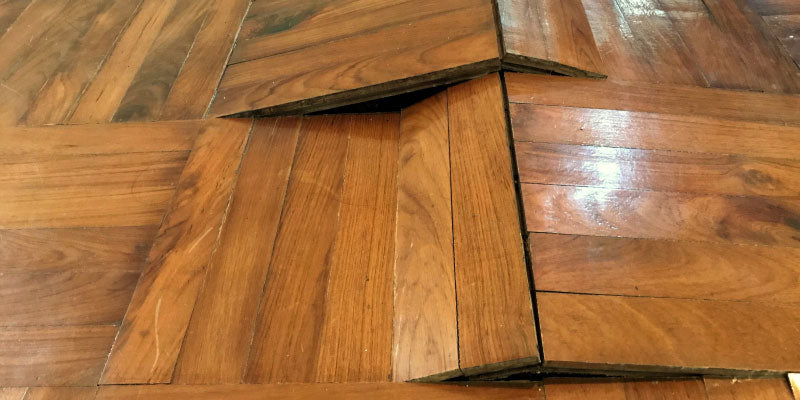
Hardwood flooring adds warmth and value to homes in Cocoa. But in Florida’s humid, coastal environment, hardwood is especially vulnerable to hidden moisture. What starts as a slight floor ripple or subtle musty odor can quickly turn into structural damage beneath the surface.
Moisture detection plays a critical role in protecting properties here — particularly under hardwood flooring, where problems often remain invisible until the damage is advanced.
Let’s break down why this issue is so common in Cocoa and how early moisture detection prevents major repairs.
Why Hardwood Flooring Is Vulnerable in Cocoa
Cocoa’s climate creates ongoing moisture pressure on homes.
Property owners deal with:
- High year-round humidity
- Heavy rain cycles
- Storm-season saturation
- Slab foundation vapor intrusion
- AC condensation issues
Hardwood is a natural material. It expands when moisture rises and contracts when humidity drops.
In Florida, humidity rarely drops low enough for wood to fully stabilize. When moisture builds underneath hardwood flooring — especially over slab foundations — boards begin to cup, warp, or buckle.
By the time surface changes appear, moisture has often been present for weeks.
How Moisture Gets Under Hardwood Flooring
In Cocoa homes, moisture commonly reaches hardwood flooring from below or around the edges.
Typical sources include:
- Vapor rising through slab foundations
- Minor plumbing leaks under sinks
- Dishwasher or refrigerator line leaks
- Roof leaks that travel down walls
- Floodwater intrusion
- Prolonged indoor humidity above 60%
Because hardwood is often installed over underlayment or directly on slab systems, moisture can remain trapped underneath without obvious signs.
This is where professional moisture detection becomes essential.
Early Warning Signs Beneath the Surface
Before major flooring failure occurs, homeowners often notice subtle changes:
- Slight cupping or edge lifting
- Gaps between boards
- Soft spots when walking
- Musty odors near the floor
- Discoloration along baseboards
- Increased indoor humidity
In many Cocoa slab homes, baseboards near exterior walls are the first place moisture appears.
Unfortunately, replacing a few boards without checking moisture levels underneath often leads to recurring damage.
Why Visual Inspection Isn’t Enough
Hardwood flooring hides what’s happening beneath it.
Moisture can be present:
- Between flooring layers
- In subfloor materials
- Inside slab edges
- Along wall cavities
Surface appearance doesn’t accurately reflect moisture content.
Professional moisture detection tools measure the actual moisture percentage inside wood and surrounding materials.
Thermal imaging can also identify cooler, damp areas beneath flooring without removing large sections unnecessarily.
In Cocoa’s humid climate, guessing isn’t enough.
Slab Foundations and Vapor Intrusion
Many Cocoa homes are built directly on concrete slabs.
Concrete is porous. When soil beneath the slab becomes saturated during heavy rain, moisture vapor travels upward.
Hardwood flooring installed over slabs is especially vulnerable because:
- Vapor barriers may degrade over time
- Prolonged humidity prevents evaporation
- Moisture accumulates at slab edges
Moisture detection identifies elevated readings before boards fully warp or buckle.
Without detection, property owners may misdiagnose the issue as simple humidity fluctuation.
The Role of Moisture Detection in Preventing Mold
Trapped moisture under hardwood flooring doesn’t just damage wood — it creates mold risk.
When materials remain damp for 24–72 hours in Cocoa’s warm climate, mold growth can begin beneath the flooring system.
Moisture detection helps:
- Identify hidden damp areas
- Prevent microbial growth
- Avoid full mold remediation
- Protect indoor air quality
- Reduce structural repair costs
Catching moisture early often eliminates the need for invasive removal later.
What Professional Moisture Detection Involves
In Cocoa homes, moisture detection typically includes:
Surface Moisture Testing
Measuring moisture levels in hardwood planks.
Subfloor Evaluation
Testing beneath accessible flooring edges.
Slab Moisture Testing
Checking vapor emission levels from concrete.
Thermal Imaging
Scanning for hidden damp zones.
Humidity Assessment
Measuring indoor relative humidity to determine ongoing risk.
At Inspections and More FL, moisture mapping often reveals elevated levels long before flooring failure becomes obvious.
Early data allows targeted correction instead of broad replacement.
Correcting the Source After Detection
Once moisture is identified, addressing the source is critical.
Solutions may include:
- Structural dryouts
- Dehumidification
- Repairing plumbing leaks
- Improving slab vapor barriers
- HVAC system adjustments
- Drainage improvements outside the home
Simply replacing damaged hardwood without moisture correction guarantees recurrence.
In Cocoa’s environment, long-term stability requires moisture control.
Preventing Future Hardwood Damage in Cocoa
Property owners can reduce risk by:
- Monitoring indoor humidity (keep it below 55%)
- Maintaining HVAC systems
- Inspecting slab edges after storms
- Checking appliances for hidden leaks
- Scheduling moisture inspections after heavy rain cycles
- Using whole-home dehumidifiers during humid seasons
Because Cocoa’s humidity is ongoing, prevention must be consistent.
Routine moisture detection protects hardwood investment and structural integrity.
Why Local Experience Matters
Hardwood moisture behavior in coastal Florida differs from inland climates.
Local professionals understand:
- Slab vapor intrusion patterns
- Salt air moisture retention
- Storm-season saturation cycles
- HVAC strain during extreme humidity
- Common construction methods in Brevard County
Accurate diagnosis requires recognizing how Cocoa homes interact with constant humidity pressure.
Inspections and More FL works with property owners who need climate-specific moisture solutions, not surface-level fixes.
When to Schedule a Moisture Evaluation
If your hardwood flooring in Cocoa shows cupping, soft spots, or persistent musty odors, don’t wait for visible mold.
Moisture detection protects your property by:
- Identifying hidden dampness
- Preventing structural damage
- Reducing mold risk
- Preserving flooring investment
- Avoiding unnecessary full replacement
Hardwood flooring in Florida requires proactive moisture management.
With early detection and proper correction, Cocoa properties remain stable, dry, and protected — even in a coastal environment where humidity is always part of the equation.
