How Moisture Detection Protects Properties in Cocoa When Indoor Air Feels Damp
In Cocoa, it’s common to hear homeowners say, “The AC is running, but the air still feels damp.” That heavy, sticky indoor feeling isn’t just about comfort. It’s often a warning sign that excess moisture is present somewhere inside the structure.
Florida’s coastal climate already brings high humidity. When indoor air starts feeling persistently damp, it usually means moisture is trapped in walls, floors, ceilings, or the HVAC system itself.
Moisture detection protects Cocoa properties by identifying hidden dampness before it leads to mold growth, structural damage, or long-term indoor air problems.
What “Damp Air” Really Means in Florida Homes
When indoor air feels damp, several things may be happening:
- Humidity levels are elevated
- Moisture is being introduced faster than it’s removed
- Air circulation is unbalanced
- Structural materials are releasing trapped moisture
- Slab vapor intrusion is occurring
Air conditioning lowers temperature, but if humidity control isn’t effective, air can feel cool and damp at the same time.
In Cocoa’s climate, moisture pressure comes from outside, below, and sometimes inside the home.
Why Cocoa Homes Are Especially Prone to Damp Indoor Air
Several local factors contribute to persistent humidity problems.
Coastal Humidity
Proximity to the Atlantic keeps outdoor air moisture levels high year-round.
High Water Table
After heavy rainstorms, groundwater can increase vapor transmission through slab foundations.
Storm Season
Repeated rain events keep soil saturated and exterior materials damp.
Extended AC Operation
Cooling systems run heavily in Florida. If condensate lines clog or ducts sweat, moisture builds up.
Older Construction
Some homes lack modern vapor barriers or have aging seals that allow moisture infiltration.
Because humidity remains elevated for long periods, drying becomes more difficult.
Where Hidden Moisture Often Develops
When indoor air feels damp, moisture is usually present in concealed areas.
Behind Interior Walls
Wind-driven rain or plumbing leaks can saturate insulation.
Beneath Flooring
Slab vapor transmission may dampen subfloors without visible water.
In Attics
Roof leaks or duct condensation can increase attic humidity.
Around HVAC Systems
Condensate overflow or poor insulation may introduce moisture.
Near Exterior Walls
Coastal exposure increases infiltration risk.
These hidden zones often remain undetected until mold develops or structural materials deteriorate.
Why Surface Checks Don’t Solve the Problem
Homeowners often rely on:
- Feeling the air
- Checking visible surfaces
- Running small dehumidifiers
- Opening windows
However, damp air doesn’t always correlate with visible wet spots.
Moisture can remain trapped in framing or insulation while surfaces appear dry.
Surface dryness does not guarantee structural dryness.
Without proper detection tools, moisture problems are easy to underestimate.
How Professional Moisture Detection Works
A structured moisture evaluation in Cocoa typically includes:
Visual Inspection
Checking exterior drainage, roof lines, and visible moisture indicators.
Thermal Imaging
Infrared cameras detect temperature differences suggesting hidden dampness behind walls or under floors.
Moisture Meter Testing
Measuring moisture content in drywall, wood framing, and slab surfaces.
Humidity Measurement
Assessing whether indoor air conditions support mold growth.
HVAC Evaluation
Ensuring proper drainage, airflow balance, and insulation.
Companies such as Inspections and More FL use multiple detection tools to create a complete moisture map rather than relying on guesswork.
Detection focuses on identifying both presence and source.
How Early Detection Prevents Mold Growth
Mold requires:
- Moisture
- Organic material
- Warm temperatures
Florida provides the warmth. Homes provide organic materials like drywall and wood framing.
When moisture lingers, mold can begin developing within 24–48 hours.
Early moisture detection allows:
- Targeted structural drying
- Controlled dehumidification
- Correction of condensation issues
- Prevention of microbial growth
The earlier dampness is identified, the less invasive the solution becomes.
The Role of Dehumidification After Detection
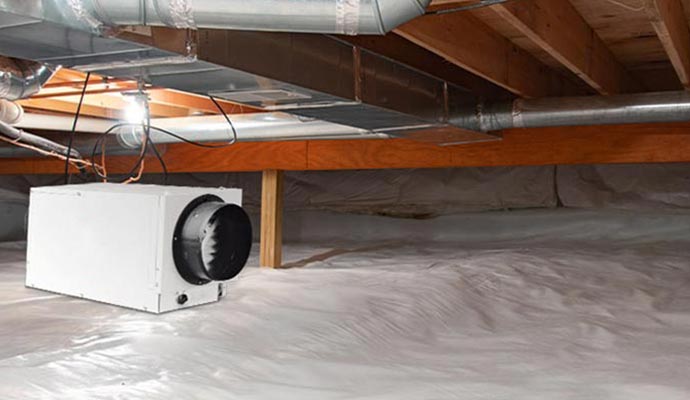
Once moisture is confirmed, professional dehumidification may be recommended.
High-capacity systems:
- Lower indoor humidity
- Encourage moisture release from materials
- Stabilize environmental conditions
- Reduce condensation buildup
Portable units often struggle to keep up with Florida’s coastal humidity levels.
Drying must address both material moisture and air moisture simultaneously.
Long-Term Protection for Cocoa Homes
Moisture detection protects properties by preventing:
- Mold remediation projects
- Flooring damage
- Wood rot
- Ceiling deterioration
- Insulation breakdown
- Recurring humidity cycles
Routine evaluations during storm season or after plumbing incidents provide added protection.
In Cocoa’s climate, proactive monitoring is far more effective than reactive repair.
Why Local Experience Matters
Moisture behavior in Cocoa differs from inland regions.
Professionals familiar with Cocoa, Merritt Island, Melbourne, Palm Bay, and Sanford understand:
- Coastal humidity cycles
- Slab vapor transmission patterns
- Storm-driven infiltration
- AC condensation challenges
Local experience allows faster identification of moisture pathways and more accurate stabilization strategies.
Inspections and More FL works within these Florida coastal conditions, focusing on detection and prevention before structural damage spreads.
A Practical Next Step
If your Cocoa home feels persistently damp—even with the AC running—don’t ignore it.
Damp indoor air is often an early warning sign of hidden moisture.
A professional moisture detection evaluation provides clarity, identifies concealed dampness, and helps prevent mold growth before it begins.
In Florida’s humid coastal climate, controlling moisture protects your structure, indoor air, and long-term investment.
Early detection keeps small moisture issues from becoming major repair projects.