
How Moisture Detection Protects Properties in Melbourne After Hidden Water Intrusion
In Melbourne, water intrusion doesn’t always make a dramatic entrance.
Sometimes it’s wind-driven rain that slips past a window seal during a summer storm. Sometimes it’s a small plumbing leak inside a wall. Sometimes it’s AC condensation quietly dripping in an attic for weeks.
The visible signs may seem minor — a faint stain, a slight odor, a little bubbling paint. But in Florida’s coastal climate, hidden water intrusion rarely stays small.
That’s where professional moisture detection becomes one of the most important steps in protecting a property.
Let’s walk through how moisture detection works in Melbourne homes and commercial properties — and why it often prevents much larger structural and remediation costs down the road.
Why Hidden Water Intrusion Is So Common in Melbourne
Melbourne properties face unique environmental pressures:
- High year-round humidity
- Frequent heavy rain and storm cycles
- Wind-driven coastal rain
- Elevated groundwater levels in some neighborhoods
- Long AC operating seasons
- Slab-on-grade construction
When water enters a structure, it doesn’t just sit where it lands.
It travels.
Water can move laterally along framing, downward through wall cavities, and outward beneath flooring systems before anyone notices.
In Florida’s humidity, materials absorb moisture quickly and release it slowly.
What “Hidden” Really Means in Structural Moisture
Hidden water intrusion typically occurs in areas such as:
- Behind drywall
- Beneath hardwood or tile flooring
- Inside insulation
- Around window frames
- Beneath roof decking
- Along slab edges
Because these areas aren’t visible, homeowners often assume that once the surface looks dry, the structure is dry.
In Melbourne’s climate, that assumption can lead to recurring problems.
What Moisture Detection Actually Involves
Moisture detection goes beyond visual inspection.
A proper evaluation typically includes:
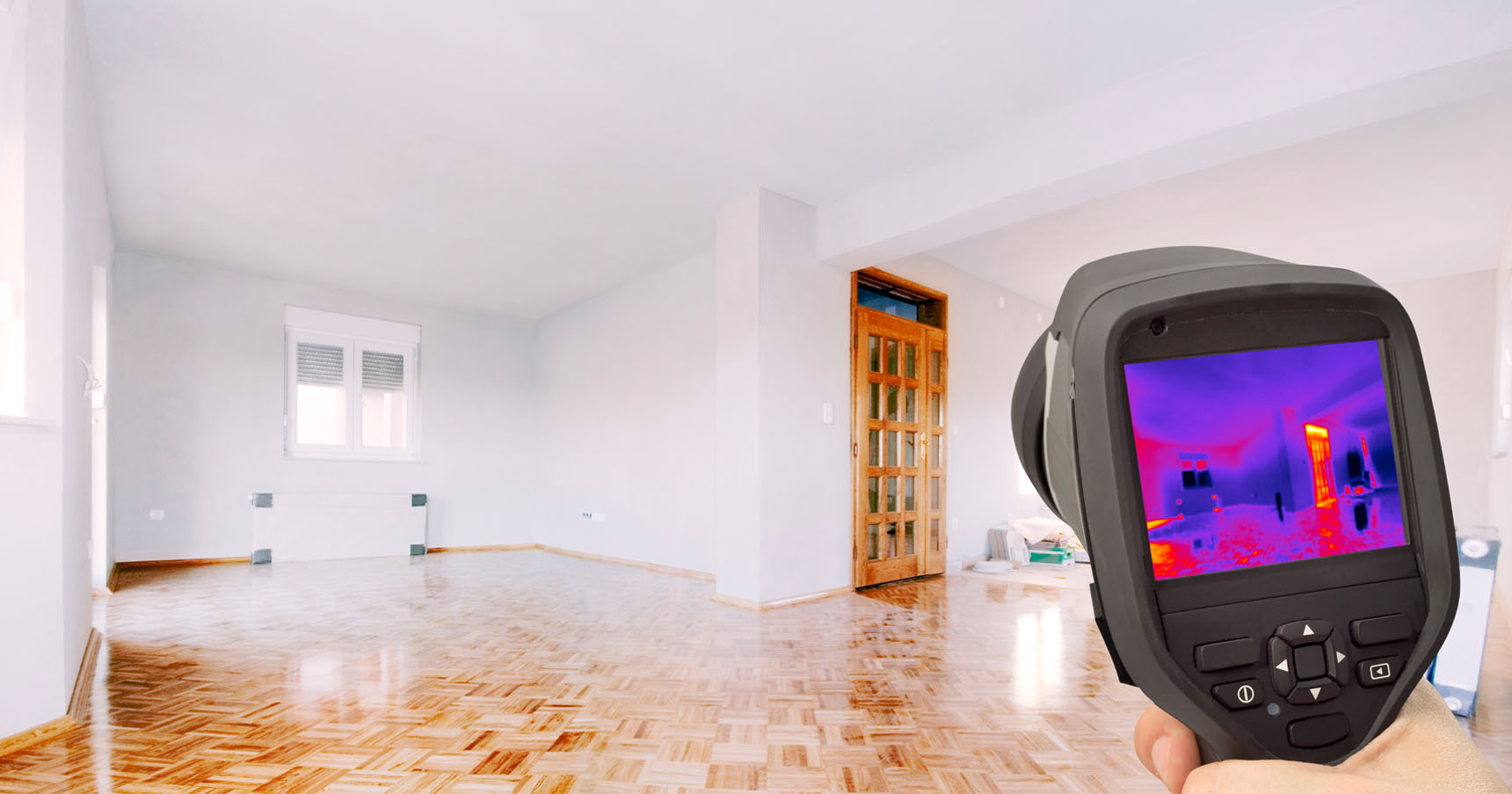
Thermal Imaging
Infrared cameras identify temperature variations that may indicate evaporative cooling from damp materials.
Thermal imaging highlights suspicious areas that need further testing.
It does not replace direct moisture measurement — it guides it.
Moisture Meter Readings
Pin and non-invasive moisture meters confirm whether materials are elevated.
Drywall, framing, flooring, and baseboards are tested systematically.
Attic and Crawl Space Evaluation
Hidden water often migrates upward into attics or downward into crawl spaces.
Both areas are checked when appropriate.
Slab Moisture Assessment
In slab-on-grade homes common throughout Melbourne, vapor transmission may contribute to moisture spread.
Lower wall cavities are tested for elevated readings.
Humidity Monitoring
Indoor humidity levels are measured to determine whether environmental moisture is contributing to the issue.
Companies like Inspections and More FL rely on combined tools rather than guesswork because Florida conditions require accuracy.
How Moisture Detection Prevents Structural Damage
1. Identifies Spread Early
Water rarely remains confined to one area.
Detection reveals the true footprint before demolition begins.
This prevents missing adjacent damp zones.
2. Reduces Mold Risk
Mold requires sustained moisture.
By identifying and drying damp materials early, moisture detection often prevents the need for full mold remediation.
3. Protects Framing and Structural Components
Wood framing weakens when moisture remains active.
Early detection allows controlled drying before structural degradation occurs.
4. Prevents Flooring Damage
Moisture trapped beneath flooring can lead to:
- Cupping hardwood
- Adhesive failure
- Warping
- Subfloor deterioration
Testing ensures subfloor conditions are stable before repairs.
5. Shortens Restoration Timelines
The earlier moisture is identified, the smaller the affected area typically is.
Smaller drying zones reduce equipment time and project duration.
Common Mistakes After Hidden Water Intrusion
Many Melbourne property owners unintentionally make these mistakes:
- Assuming the plumbing repair ends the issue
- Relying on surface dryness
- Opening windows to dry areas naturally
- Delaying inspection
- Not testing adjacent rooms
Because humidity remains high, moisture often persists long after visible signs fade.
Step-by-Step: What Happens After Moisture Is Detected
Step 1: Source Correction
Roof repairs, plumbing fixes, window resealing, or AC maintenance must occur first.
Drying without correction leads to recurrence.
Step 2: Targeted Material Removal (If Needed)
If insulation or drywall is heavily saturated, selective removal may be necessary.
Early detection limits demolition.
Step 3: Controlled Structural Drying
Dehumidifiers and air movers are installed.
Indoor environments remain sealed to prevent humid outdoor air from re-entering.
Monitoring continues until readings stabilize.
Step 4: Verification Before Rebuild
Moisture levels are documented before drywall replacement or flooring installation.
Verification prevents repeated issues.
Why Melbourne’s Climate Requires Extra Caution
Coastal humidity changes the drying equation.
Even after a leak stops:
- Evaporation slows
- Slab vapor may continue
- Outdoor humidity interferes with natural drying
- Storm cycles reintroduce moisture
Moisture detection confirms whether the structure is truly stable.
Without testing, small hidden damp areas can lead to recurring odor issues or larger remediation projects.
Long-Term Protection Strategies
After hidden water intrusion, property owners should:
- Monitor indoor humidity
- Maintain AC systems annually
- Inspect roofs after storms
- Check window and door seals
- Inspect baseboards periodically
- Schedule follow-up moisture readings if unsure
Proactive steps prevent recurrence.
Why Local Experience Matters
Moisture detection in Melbourne requires understanding:
- Coastal rain patterns
- Slab-on-grade moisture behavior
- AC condensation trends
- Storm-driven water entry
- Realistic drying timelines in Florida air
Local professionals recognize how these environmental factors influence moisture movement.
A Practical Next Step
If your Melbourne property has experienced hidden water intrusion — even a minor plumbing leak or small storm-related issue — don’t rely on appearance alone.
Professional moisture detection identifies what’s happening behind walls and beneath floors.
In Florida’s coastal climate, early detection protects structural integrity, prevents mold growth, and keeps restoration costs manageable.
The repair stops the water.
Moisture detection confirms the structure is truly dry.
