
How Moisture Detection Protects Properties in Palm Bay After Plumbing Leaks
Plumbing leaks in Palm Bay homes don’t always start with a dramatic burst pipe. More often, they begin quietly — a slow drip behind a wall, a supply line under a sink that loosens over time, or a slab leak that spreads beneath flooring before anyone notices.
By the time you see a stain on the ceiling or a warped baseboard, moisture has usually been present for days — sometimes longer.
In Palm Bay, where slab foundation homes are common and humidity stays high year-round, moisture detection becomes one of the most important steps after a plumbing leak. It’s not just about finding water. It’s about protecting the structure before small damage turns into a larger repair project.
Let’s break down why moisture detection matters so much here — and what inspections typically reveal after plumbing leaks.
Why Plumbing Leaks Behave Differently in Palm Bay
Palm Bay’s environment adds complexity to any water intrusion event.
High Humidity
Florida’s air already carries significant moisture. When plumbing leaks add more water to the structure, natural drying slows down dramatically.
Slab Foundation Construction
Most Palm Bay homes sit on concrete slabs. Water spreads horizontally beneath flooring before becoming visible.
Warm Temperatures
Heat accelerates microbial activity when moisture remains trapped.
Older Plumbing Systems
Some homes in Palm Bay and nearby Melbourne have aging copper or PVC lines more prone to failure.
Because of these conditions, moisture doesn’t stay confined to one spot. It migrates.
Moisture detection identifies that migration early.
What Moisture Detection Actually Does
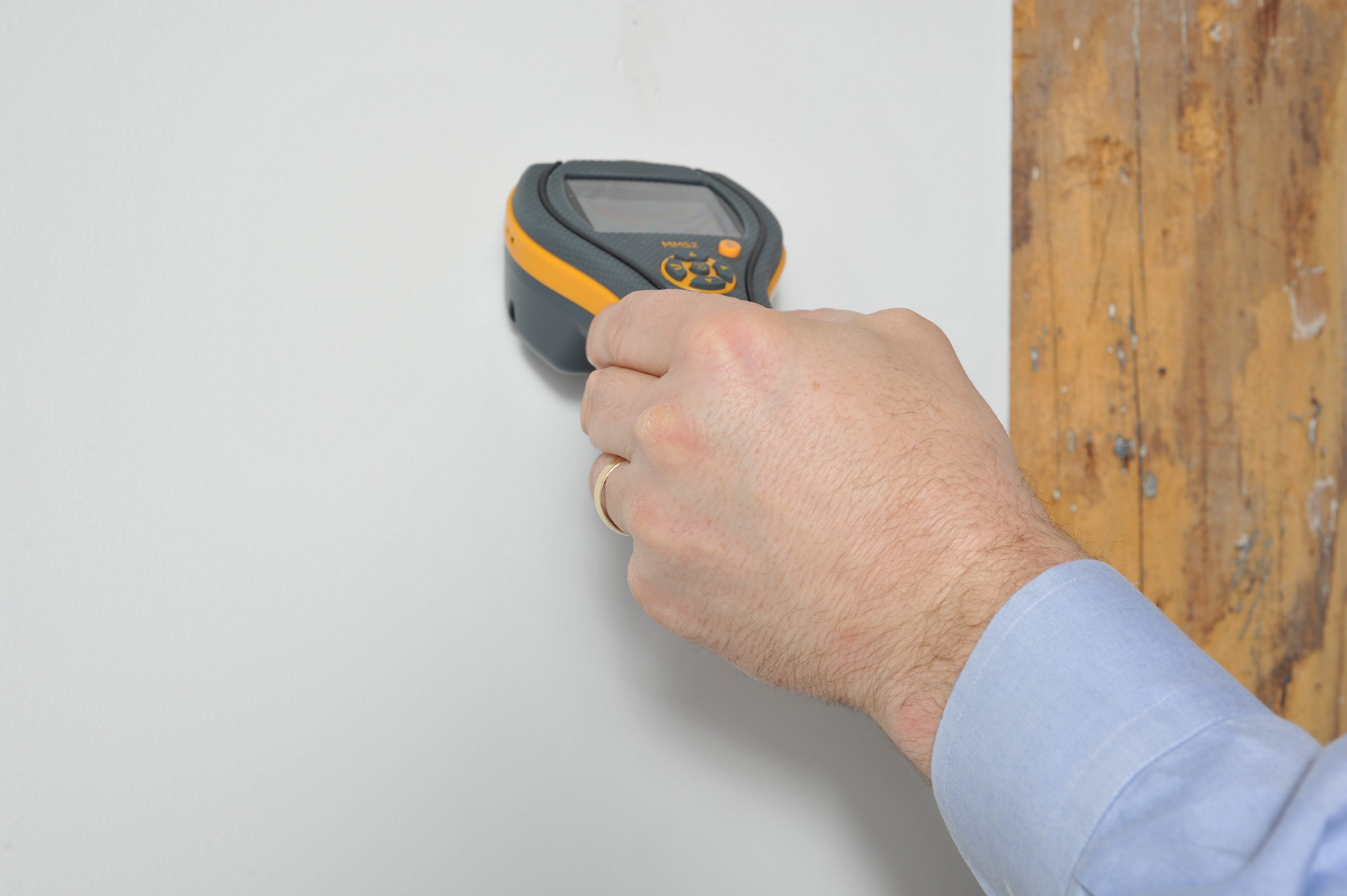
Moisture detection involves using specialized tools to measure water content inside building materials.
This includes:
- Thermal imaging cameras
- Pin and pinless moisture meters
- Hygrometers for indoor humidity
- Infrared surface scanning
These tools allow inspectors to:
- Identify hidden moisture behind drywall
- Detect damp insulation
- Locate water under flooring
- Measure slab moisture levels
- Confirm drying progress
Without these tools, moisture spread is mostly guesswork.
In Palm Bay’s climate, guessing is risky.
What Inspections Commonly Uncover After Plumbing Leaks
After evaluating homes across Palm Bay, Cocoa, and Merritt Island, certain patterns show up repeatedly.
1. Moisture Behind Drywall
Even small supply line leaks can saturate insulation and framing.
Drywall may appear dry within a few days, but moisture meters often show elevated levels inside the cavity.
Left untreated, this hidden moisture can:
- Weaken drywall
- Damage insulation
- Support microbial growth
Thermal imaging often reveals cooler areas where water has migrated vertically along studs.
2. Subfloor Saturation
In slab foundation homes, water spreads under tile, vinyl, or laminate flooring.
Inspections frequently uncover:
- Damp subfloors
- Compromised adhesive under tile
- Warping laminate planks
- Soft spots in engineered flooring
These issues may not appear immediately without moisture testing.
Early detection prevents costly flooring replacement later.
3. Elevated Indoor Humidity
After plumbing leaks, moisture evaporates into the air.
In Palm Bay’s already humid climate, indoor relative humidity can remain elevated for days.
High humidity:
- Slows structural drying
- Increases condensation
- Affects indoor comfort
- Encourages recurring moisture problems
Moisture detection includes measuring ambient humidity to determine whether dehumidification is necessary.
4. Hidden Slab Moisture
Concrete absorbs water during plumbing failures.
Even after visible surfaces dry, slab moisture can linger and re-release into flooring materials.
Moisture detection tools measure slab saturation levels, helping determine whether extended drying is required.
Without verification, slab moisture can continue affecting the home long after repairs.
5. Moisture Migration Into Adjacent Rooms
One of the most common surprises during Palm Bay inspections is how far water travels.
We often find moisture from:
- Bathroom leaks reaching hallway walls
- Kitchen supply failures affecting living room flooring
- Laundry room leaks spreading into nearby bedrooms
Slab construction allows water to move beneath surfaces without obvious signs.
Moisture mapping identifies the full impact zone.
Why Moisture Detection Protects the Structure
The purpose of moisture detection is prevention.
Without it, homeowners may:
- Replace drywall too soon
- Paint over damp surfaces
- Leave wet insulation in place
- Assume flooring is dry
- Miss hidden structural saturation
Moisture left untreated can lead to:
- Material deterioration
- Flooring separation
- Odor development
- Structural stress
- Increased repair costs later
Moisture detection ensures the structure is truly dry — not just visually improved.
The Role of Dehumidification After Detection
Once moisture levels are confirmed, controlled drying begins.
In Palm Bay, dehumidification plays a critical role.
Commercial-grade dehumidifiers:
- Pull excess moisture from the air
- Accelerate evaporation from materials
- Stabilize indoor humidity
- Prevent secondary damage
Air movers help direct airflow across affected surfaces.
Moisture readings are monitored daily to confirm progress.
This controlled drying approach protects the structure from long-term stress.
Why Timing Is Critical
In Florida’s climate, moisture doesn’t need much time to create problems.
Within 24–72 hours:
- Wood framing begins absorbing moisture
- Insulation efficiency declines
- Microbial activity can begin
The sooner moisture detection occurs after a plumbing leak, the smaller the impact zone usually is.
Waiting often means discovering additional damage weeks later.
Why DIY Moisture Assessment Falls Short
Homeowners sometimes rely on:
- Touching surfaces
- Visual inspection only
- Small handheld humidity monitors
But moisture hides.
Without thermal imaging and professional-grade moisture meters, hidden saturation often goes undetected.
Surface dryness does not equal structural dryness.
Professional moisture detection eliminates uncertainty.
Preventing Future Plumbing-Related Moisture Issues
Palm Bay homeowners can reduce future risk by:
- Inspecting supply lines annually
- Replacing aging appliance hoses
- Monitoring water pressure
- Checking under sinks regularly
- Keeping indoor humidity below 60%
- Scheduling periodic property evaluations
Routine inspections help identify slow leaks before they escalate.
Moisture detection is not just reactive — it can be proactive.
Why Local Experience Matters in Palm Bay
Florida homes respond differently to water intrusion than homes in dry climates.
Local professionals understand:
- How slab foundations absorb moisture
- How Palm Bay’s humidity slows drying
- How water migrates through Florida building materials
- How to interpret thermal imaging accurately in humid environments
Experience across Palm Bay, Cocoa, and Melbourne leads to more precise evaluations.
At Inspections and More FL, moisture detection is used to identify the full moisture footprint — not just the visible damage.
Protecting Your Palm Bay Property After a Plumbing Leak
Plumbing leaks happen. What protects your property long term is how thoroughly the structure is evaluated afterward.
Moisture detection protects homes in Palm Bay by:
- Identifying hidden water spread
- Guiding proper drying
- Preventing secondary damage
- Stabilizing indoor humidity
- Reducing future repair costs
If your Palm Bay property has experienced a plumbing leak — even a minor one — professional moisture detection ensures the problem truly ends when the pipe repair is complete.
Drying the structure properly today protects your home’s integrity tomorrow.
