
How Moisture Detection Protects Properties in Sanford When Indoor Air Feels Damp
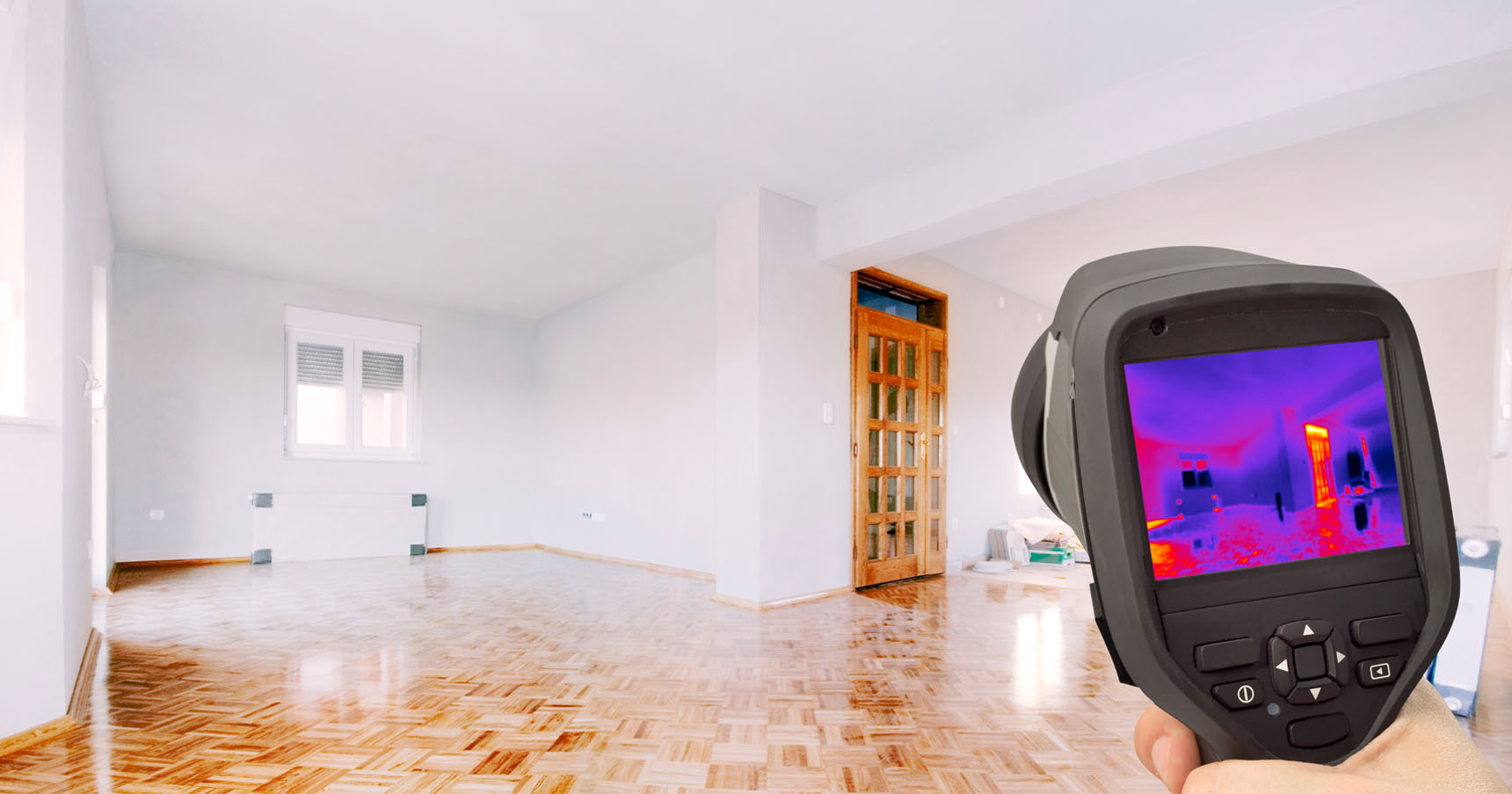
When indoor air feels damp in Sanford, it’s easy to assume it’s just the weather.
After all, Central Florida humidity is part of daily life. But when a home feels persistently heavy, sticky, or musty — even with the AC running — that sensation often signals something deeper.
Damp indoor air is frequently the first warning sign of hidden moisture inside structural materials. And in Sanford’s warm, humid climate, ignoring that signal can lead to mold growth, flooring damage, and long-term structural issues.
Moisture detection plays a critical role in protecting properties before small humidity problems become expensive repairs.
Let’s break down why indoor air feels damp, what it means, and how proper moisture detection protects Sanford homes.
Why Indoor Air Feels Damp in Sanford
Sanford experiences:
- High year-round humidity
- Heavy seasonal rainstorms
- Warm temperatures
- Slab foundation vapor intrusion
- Prolonged AC usage
When indoor humidity rises above 55–60%, air begins to feel heavy and sticky.
But humidity in the air is only part of the story.
Damp air often means structural materials are also absorbing moisture.
In slab foundation homes common in Sanford, vapor can rise through concrete during prolonged rain cycles. Combined with high outdoor humidity, this creates persistent moisture pressure inside the home.
If HVAC systems are not removing enough moisture, the structure begins absorbing it.
Common Causes of Damp Indoor Air
When indoor air feels damp in Sanford, the cause is often one of the following:
- Elevated outdoor humidity entering through gaps
- Slab vapor intrusion
- Minor roof or plumbing leaks
- AC systems short cycling
- Clogged condensate drain lines
- Poor attic ventilation
- Homes closed up during humid months
In many cases, homeowners don’t see visible water damage.
But moisture detection tools frequently reveal elevated readings inside walls, floors, or ceilings.
Why Visual Inspection Isn’t Enough
Moisture problems are often invisible at first.
Drywall can feel solid while internal insulation is damp. Flooring may look normal while moisture accumulates beneath it.
By the time visible signs appear — such as staining, swelling, or mold — damage is already advanced.
Moisture detection allows professionals to:
- Measure moisture content in drywall
- Test wood framing
- Check slab-edge saturation
- Identify elevated subfloor readings
- Confirm humidity levels
Early detection reduces repair costs significantly.
How Slab Foundations Contribute to Damp Air
Many Sanford homes sit on slabs.
After heavy rain:
- Soil becomes saturated
- Vapor pressure increases
- Moisture migrates upward
- Lower drywall absorbs dampness
If indoor humidity is already high, evaporation slows.
That creates a cycle:
Moist slab → Damp air → Damp drywall → Continued humidity.
Moisture detection identifies slab-edge readings before flooring damage or mold growth occurs.
Breaking the cycle early protects structural materials.
Thermal Imaging and Hidden Moisture
Thermal imaging inspections help locate temperature irregularities associated with moisture.
When materials are damp:
- Evaporation cools surfaces
- Saturated areas retain heat differently
- Insulated cavities show temperature variation
Thermal imaging helps narrow down areas requiring moisture meter confirmation.
In Sanford homes, this often reveals:
- Damp wall cavities
- Wet ceiling insulation
- Slab perimeter moisture
- Condensation zones near HVAC systems
Without this technology, hidden moisture can go undetected for months.
Preventing Mold Growth Before It Starts
Florida’s climate accelerates microbial growth when materials remain damp for 24–72 hours.
Moisture detection allows corrective action before mold removal becomes necessary.
By identifying elevated readings early, property owners can:
- Initiate structural drying
- Improve dehumidification
- Repair small leaks
- Adjust HVAC performance
- Stabilize indoor humidity
Prevention is always less invasive than remediation.
The Role of Dehumidification After Detection
Once elevated moisture is identified, controlled drying may involve:
- Commercial dehumidifiers
- Air movers
- HVAC adjustments
- Sealing entry points
- Improving ventilation
Moisture detection doesn’t just identify problems — it guides the solution.
In Sanford’s humid environment, controlled drying is often required to restore safe moisture levels.
Lessons from Local Sanford Properties
Common patterns seen in Sanford homes include:
- Elevated slab-edge moisture after rainy periods
- Damp drywall behind exterior walls
- AC condensation creating localized humidity
- Homes closed up during humid months developing musty odors
- Minor roof leaks spreading moisture into attic insulation
In several cases, homeowners noticed damp air weeks before visible damage appeared.
Moisture detection identified the problem early.
Prompt drying prevented flooring replacement and mold remediation.
Timing matters in Florida’s climate.
Why DIY Humidity Monitoring Isn’t Enough
Homeowners sometimes rely on small hygrometers.
While helpful, these devices only measure air humidity.
They don’t reveal:
- Moisture inside walls
- Saturation beneath flooring
- Slab vapor levels
- Insulation dampness
Professional moisture detection uses specialized meters and thermal imaging to evaluate the structure — not just the air.
This deeper assessment ensures hidden moisture isn’t overlooked.
Long-Term Protection for Sanford Homes
Once indoor dampness is addressed, long-term moisture control includes:
- Maintaining indoor humidity between 45–55%
- Regular HVAC maintenance
- Cleaning AC drain lines
- Inspecting slab edges after heavy rain
- Improving attic ventilation
- Scheduling seasonal moisture evaluations
Sanford’s climate requires proactive monitoring.
Waiting for visible mold is not a strategy.
Why Local Experience Matters
Moisture behavior in Sanford is influenced by:
- Central Florida humidity patterns
- Slab foundation construction
- Storm-season rainfall
- High groundwater levels
- HVAC strain during summer months
Professionals familiar with Seminole County understand how these factors interact.
Accurate moisture detection ensures the right corrective measures are taken — not unnecessary demolition.
Inspections and More FL works with Sanford property owners who need climate-specific moisture solutions designed for Florida conditions.
When to Schedule a Moisture Evaluation
If your indoor air feels persistently damp in Sanford — even without visible leaks — it’s time to investigate.
Moisture detection becomes necessary when:
- Musty odors develop
- Humidity remains above 55%
- Flooring begins to cup
- Baseboards swell
- AC runs constantly
- Air feels heavy or sticky
Damp indoor air is a warning sign.
With proper moisture detection and early intervention, Sanford properties can remain dry, stable, and protected — long before minor humidity becomes major structural damage.
