
How Mold Encapsulation Protects Properties in Cocoa After Plumbing Leaks
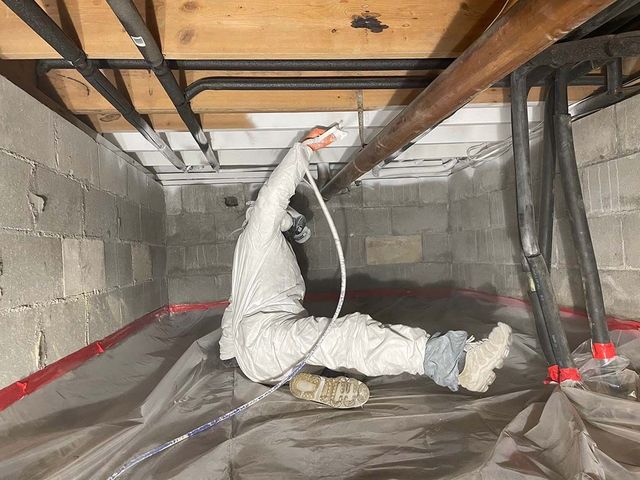
Plumbing leaks in Cocoa homes have a way of causing more damage than most homeowners expect.
A slow drip under a sink. A supply line crack behind a wall. A water heater failure in a garage. Even a small leak can release enough moisture to soak framing, drywall, insulation, and subflooring. In Florida’s humid climate, that moisture doesn’t dry quickly on its own.
Once wood framing or structural surfaces become damp, mold growth can follow — sometimes in places you don’t immediately see.
After proper cleaning and remediation, mold encapsulation often becomes an important protective step. But what exactly does encapsulation do, and why is it especially valuable in Cocoa after plumbing leaks?
Let’s take a closer look.
What Happens After a Plumbing Leak in Cocoa
When plumbing fails, water spreads fast.
It seeps into:
- Baseboards
- Subflooring
- Wall cavities
- Insulation
- Cabinet bases
- Crawl spaces
In Cocoa, high ambient humidity slows evaporation. Even after visible water is removed, structural materials can remain damp for days.
Wood framing absorbs moisture easily. And because wood is organic, it becomes a prime surface for mold growth when damp.
If drying is delayed or incomplete, mold colonies can establish on joists, studs, and sheathing — especially in enclosed spaces.
Why Mold Develops So Quickly in Florida
Cocoa’s environment accelerates mold activation.
The combination of:
- Warm temperatures
- High humidity
- Organic building materials
…creates ideal growth conditions.
Mold spores exist naturally in the environment. They only need sustained moisture to begin colonizing.
After plumbing leaks, that moisture is present — often behind walls or beneath flooring where airflow is limited.
That’s why proper remediation must go beyond surface cleaning.
What Mold Encapsulation Is
Mold encapsulation is the process of applying a specialized coating over cleaned structural surfaces.
After mold has been:
- Identified
- Contained
- Professionally removed
- Surfaces thoroughly cleaned
- Moisture stabilized
…an encapsulant is applied to:
- Seal porous materials
- Lock down residual microscopic particles
- Create a moisture-resistant barrier
- Protect wood from future exposure
Encapsulation is not a shortcut or substitute for removal. It is a protective finishing step after proper remediation.
Why Encapsulation Is Important After Plumbing Leaks
Plumbing leaks often affect structural wood inside walls, crawl spaces, or beneath cabinets.
Even after cleaning:
- Wood remains porous
- Microscopic particles may linger
- Moisture levels can fluctuate
- Humidity in Cocoa remains high
Encapsulation provides long-term protection in these environments.
It helps prevent:
- Recurring surface mold
- Recolonization on cleaned framing
- Future moisture absorption
- Structural staining
In Cocoa homes, especially older properties with vented crawl spaces or slab foundations, encapsulation adds an extra layer of defense.
Common Areas Where Encapsulation Is Used
After plumbing-related mold remediation in Cocoa, encapsulation may be applied to:
- Floor joists in crawl spaces
- Subflooring beneath bathrooms
- Wall studs behind sinks
- Framing near water heaters
- Attic beams affected by leak spread
- Garage framing after appliance failures
These areas often experience limited airflow and remain vulnerable to humidity.
Encapsulation reinforces protection in those moisture-prone zones.
The Difference Between Cleaning and Encapsulation
Some homeowners assume that once visible mold is removed, the issue is finished.
But cleaning alone does not:
- Seal porous wood
- Prevent moisture absorption
- Provide long-term humidity resistance
- Protect against minor future leaks
Encapsulation creates a durable barrier over cleaned surfaces.
This coating is typically white or clear and bonds to wood framing, reducing porosity and improving moisture resistance.
Companies experienced in Cocoa, like Inspections and More FL, often recommend encapsulation in crawl spaces and hidden structural areas where humidity levels are naturally higher.
Why Cocoa’s Climate Makes Encapsulation Valuable
Cocoa experiences:
- High year-round humidity
- Frequent afternoon storms
- Elevated water tables
- Coastal air exposure
- Heavy AC system usage
Even after plumbing repairs, humidity remains a constant environmental factor.
Encapsulation helps stabilize structural surfaces against that persistent moisture load.
Without it, previously cleaned wood may reabsorb humidity over time, increasing the risk of recurrence.
Encapsulation and Crawl Spaces
Raised homes in Cocoa often have crawl spaces beneath them.
After plumbing leaks inside bathrooms or kitchens, moisture may travel downward into:
- Subflooring
- Joists
- Support beams
Crawl spaces already experience higher humidity due to ground vapor.
Encapsulation in these areas:
- Protects wood from ongoing humidity
- Improves air quality
- Creates a cleaner, sealed appearance
- Supports long-term structural durability
Combined with vapor barrier improvements and dehumidification, it significantly reduces future mold risk.
The Importance of Moisture Stabilization First
Encapsulation should only be applied after:
- Moisture levels are returned to safe readings
- The plumbing source is fully repaired
- Contaminated materials are removed
- Surfaces are properly cleaned
Applying encapsulant over damp materials traps moisture — which can worsen the problem.
Professional moisture detection ensures surfaces are ready before encapsulation begins.
Long-Term Protection Strategies After Plumbing Leaks
Beyond encapsulation, Cocoa homeowners should consider:
- Annual plumbing inspections
- Monitoring water heater connections
- Flushing AC drain lines
- Inspecting crawl spaces after storms
- Maintaining indoor humidity between 45–55%
- Installing dehumidifiers where necessary
Plumbing leaks are unpredictable. Moisture control must be ongoing in Florida.
Encapsulation adds an extra safeguard but works best alongside proactive maintenance.
Why Local Experience Matters
Understanding how moisture behaves in Cocoa homes is critical.
Professionals familiar with the area recognize:
- How slab foundations retain water
- How quickly humidity rises after leaks
- How coastal air impacts framing materials
- How crawl space moisture migrates upward
- How Florida building styles differ from other regions
Inspections and More FL has encountered many cases where encapsulation helped protect structural wood after plumbing leaks in Cocoa properties.
Local knowledge ensures encapsulation is applied appropriately and strategically.
When to Consider Mold Encapsulation
Encapsulation may be recommended if:
- Mold affected structural wood
- Crawl space framing was contaminated
- Subflooring absorbed moisture
- Plumbing leaks lasted more than a few hours
- Humidity remains elevated in hidden areas
It is particularly valuable in older Florida homes where vapor barriers and insulation standards were minimal.
Protecting Cocoa Homes After Plumbing Leaks
Plumbing leaks are disruptive — but they don’t have to lead to recurring mold issues.
Mold encapsulation protects structural surfaces after proper remediation, especially in Cocoa’s humid coastal environment.
By sealing cleaned wood and reinforcing moisture resistance, encapsulation helps:
- Reduce future mold risk
- Stabilize structural framing
- Improve indoor air quality
- Extend material lifespan
- Protect long-term property value
In Florida, moisture is constant.
After a plumbing leak, remediation removes contamination — but encapsulation strengthens protection moving forward.
When moisture control and structural protection work together, Cocoa homeowners gain lasting peace of mind.
