
How Mold Encapsulation Protects Properties in Merritt Island After Roof Failures
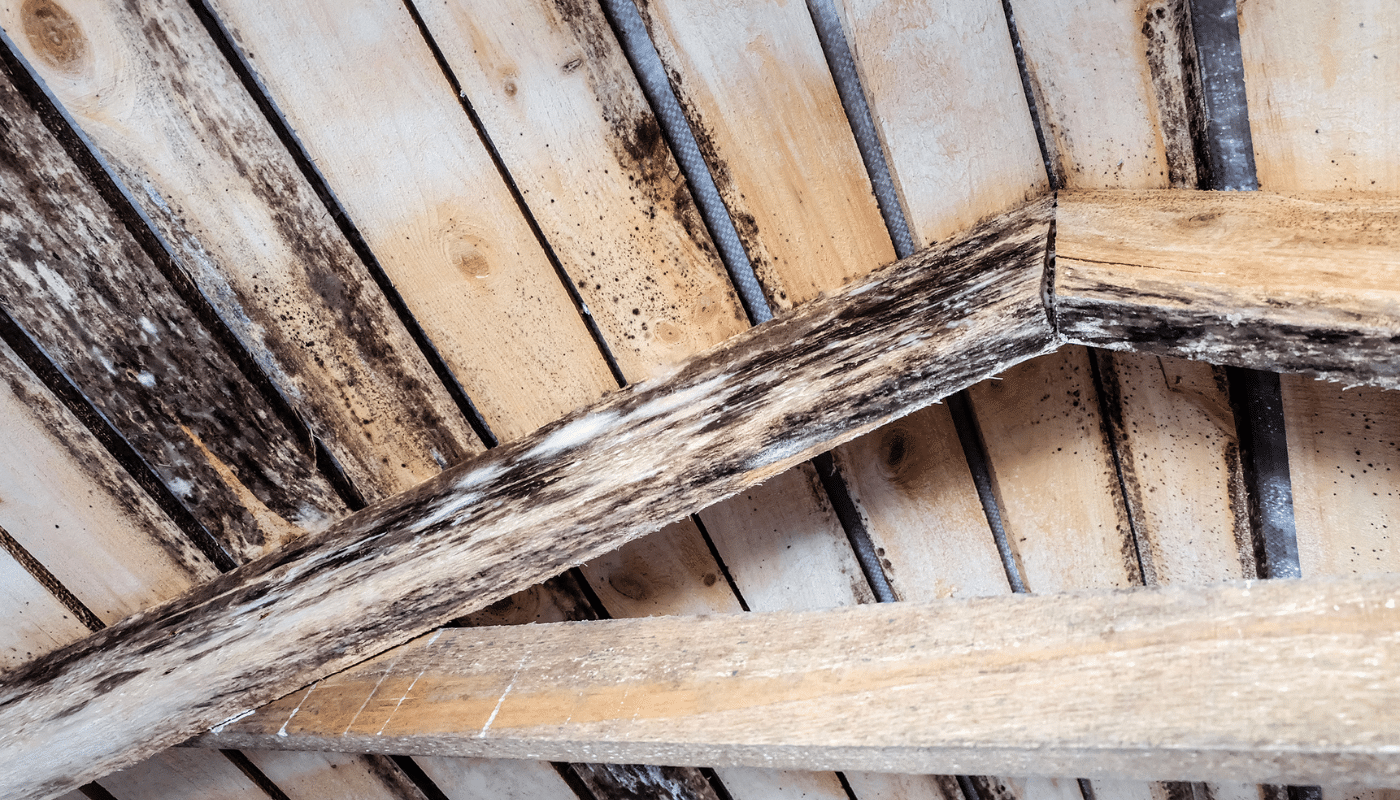
Roof failures in Merritt Island are rarely small events. Between coastal storms, wind-driven rain, and the constant wear of salt air, roofing systems here take a beating year after year. When shingles lift or flashing separates, water intrusion can begin quickly — and the attic is usually the first place affected.
Once moisture enters attic spaces, mold can develop on roof decking and framing. Even after roof repairs are completed and materials are dried, homeowners often ask: what happens next?
In many cases, mold encapsulation becomes part of the long-term protection plan.
Encapsulation is not a shortcut or a cover-up. When used properly — after moisture correction and cleaning — it provides an added layer of protection to structural surfaces that were affected by roof leaks.
Let’s take a closer look at how encapsulation works and why it’s particularly useful in Merritt Island homes.
What Happens Inside a Merritt Island Home After a Roof Failure
When a roof leak occurs, water typically spreads through:
- Roof decking
- Rafters and trusses
- Attic insulation
- Ceiling drywall
- Upper wall cavities
In Merritt Island’s humid, coastal climate, these materials dry slowly. Even after active dripping stops, moisture may remain embedded in wood framing and decking.
If moisture lingers long enough, microbial growth can develop on:
- Plywood roof sheathing
- Structural beams
- Exposed attic framing
Once the area has been dried and cleaned properly, encapsulation may be recommended to stabilize those surfaces.
Why Merritt Island Homes Are Especially Vulnerable
Living between the Indian River Lagoon and the Atlantic Ocean means constant exposure to humidity.
Merritt Island homes face:
- Persistent coastal moisture
- Hurricane-force wind and rain
- Salt air corrosion
- High attic temperatures
- Elevated water tables
Attic spaces in Florida often reach extreme temperatures. When wet insulation and wood sit in that environment, moisture spreads quickly.
Even small roof leaks can affect large sections of attic decking.
What Mold Encapsulation Actually Is
Mold encapsulation involves applying a specialized protective coating over structural materials that were previously affected by mold.
The process occurs only after:
- The moisture source is repaired
- The area has been structurally dried
- Contaminated insulation or drywall has been removed
- Surfaces have been professionally cleaned
The encapsulant coating seals porous surfaces like wood decking and framing.
It does not eliminate active mold growth — that must be addressed first.
Instead, encapsulation provides a protective barrier after remediation.
Why Encapsulation Is Often Used After Roof Leaks
After a roof failure in Merritt Island, attic framing and decking may show staining even after cleaning.
Encapsulation helps by:
- Sealing cleaned wood surfaces
- Locking down microscopic residual particles
- Reducing future moisture absorption
- Providing a moisture-resistant protective layer
- Stabilizing attic air quality
In Florida’s humid climate, porous wood surfaces repeatedly absorb and release moisture. Encapsulation limits that cycle.
When Encapsulation Makes Sense
Encapsulation is often recommended when:
Structural Materials Are Sound
Wood framing is intact and dry but previously affected.
Full Replacement Is Impractical
Replacing large sections of roof decking may not be necessary if materials are structurally stable.
Coastal Humidity Remains a Factor
Merritt Island homes face ongoing exposure to humid air.
Preventative Protection Is Desired
Encapsulation adds long-term protection in high-risk attic spaces.
It is part of a structured remediation strategy — not a cosmetic fix.
The Proper Encapsulation Process
In Merritt Island homes, encapsulation follows a step-by-step approach.
Step 1: Moisture Verification
Confirm wood and decking are fully dry.
Step 2: Cleaning and Surface Preparation
Remove dust, debris, and any remaining contamination.
Step 3: Application of Encapsulant
Apply an even coating over affected framing and decking.
Step 4: Final Inspection
Ensure complete coverage and proper curing.
At Inspections and More FL, encapsulation is only recommended after verifying that moisture levels have stabilized.
Moisture control always comes first.
Why Encapsulation Alone Is Not Enough
One of the most common misconceptions is that encapsulation can be applied over active moisture or untreated mold.
It should never be used to:
- Cover wet wood
- Hide ongoing leaks
- Replace proper cleaning
- Avoid material removal when necessary
If moisture remains in the structure, problems will continue beneath the coating.
In Merritt Island’s humid environment, thorough drying is essential before encapsulation.
The Long-Term Benefits for Homeowners
When applied correctly, encapsulation offers:
- Added protection against future humidity
- Stabilization of attic framing
- Reduced likelihood of recurring issues
- Improved durability of exposed wood
- Cleaner attic surfaces
For homes near coastal areas like Cocoa Beach and Cape Canaveral, this added layer of protection can make a difference over time.
Preventing Future Roof-Related Moisture Problems
Encapsulation supports protection, but prevention is equally important.
Inspect Roofing Annually
Especially before hurricane season.
Check Attic Spaces After Heavy Storms
Look for damp insulation or staining.
Maintain Proper Ventilation
Balanced attic airflow reduces moisture buildup.
Monitor Indoor Humidity
Maintain levels between 45–55%.
Address Small Leaks Immediately
Minor intrusion can escalate quickly in Florida.
Routine evaluations throughout Merritt Island and nearby communities help detect roof-related moisture early.
Why Local Experience in Merritt Island Matters
Mold encapsulation decisions must account for Florida’s coastal conditions.
Homes here face:
- Persistent humidity
- Intense attic heat
- Salt air exposure
- Storm-driven rain
- Rapid moisture migration
Understanding how these factors affect wood decking and framing ensures encapsulation is used appropriately.
Local experience helps determine when encapsulation adds value — and when replacement or additional drying is necessary.
A Calm, Practical Next Step
If your Merritt Island home experienced a roof failure and attic mold was discovered, a professional evaluation can determine whether encapsulation is appropriate.
An assessment can clarify:
- Whether structural materials are fully dry
- If mold remediation was complete
- Whether encapsulation will provide long-term protection
- How to prevent recurrence
Inspections and More FL works with homeowners throughout Merritt Island, Cocoa, Palm Bay, Melbourne, and Sanford to evaluate post-roof moisture and apply structured remediation strategies suited to Florida’s climate.
Roof leaks may be repaired quickly. Ensuring the structure beneath remains protected is what preserves your home long term.
