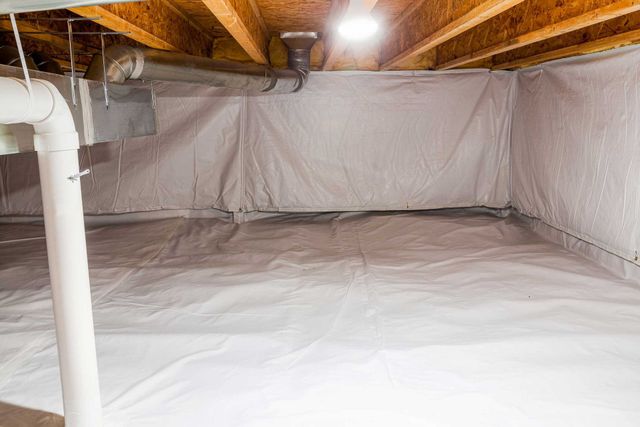
How Mold Encapsulation Protects Properties in Palm Bay in Older Florida Homes
Older homes in Palm Bay have character — but they also carry decades of exposure to Florida humidity, storms, and shifting moisture patterns.
Many of these homes were built before modern vapor barriers, improved attic ventilation systems, and advanced moisture control standards became common. Over time, repeated humidity cycles and minor water intrusion events can leave structural wood framing with surface mold staining or past contamination.
That’s where mold encapsulation can play a protective role — when done correctly.
In Palm Bay’s humid climate, encapsulation is not about covering up a problem. It’s about protecting structural materials after proper remediation and moisture correction have taken place.
Why Older Palm Bay Homes Face Greater Mold Risk
Palm Bay’s environment places constant pressure on building materials.
Older homes often include:
- Pier-and-beam foundations or older slab designs
- Limited crawl space vapor barriers
- Aging roof systems
- Original insulation materials
- Minimal attic ventilation
- Older HVAC equipment
Over years of exposure to humidity and storms, structural framing may develop mold staining or contamination in areas like crawl spaces and attics.
Encapsulation is often considered when structural wood is still sound but shows surface mold impact.
What Mold Encapsulation Actually Does
Mold encapsulation involves applying a specialized coating to cleaned and dried structural wood surfaces.
It serves several protective functions:
- Seals porous wood surfaces
- Reduces future moisture absorption
- Inhibits mold regrowth
- Creates a protective barrier
- Improves structural surface stability
Encapsulation is typically used in:
- Crawl spaces
- Attic framing
- Exposed joists and beams
- Subfloor supports
It is only effective when moisture issues have already been corrected.
Why Moisture Correction Comes First
In Palm Bay’s humid climate, applying encapsulation over damp materials can trap moisture inside wood.
That can lead to:
- Wood rot
- Fastener corrosion
- Hidden mold regrowth
- Structural weakening
Before encapsulation, professionals must verify:
- Wood moisture levels are within safe range
- Vapor intrusion has been controlled
- Drainage issues are corrected
- Ventilation systems are balanced
Encapsulation protects structure — but only when applied under the right conditions.
Common Areas Where Encapsulation Protects Older Homes
In older Palm Bay homes, encapsulation often protects:
Crawl Space Joists
Ground humidity can cause long-term surface mold staining.
Subfloor Undersides
Moisture migration may affect wood beneath flooring.
Attic Rafters and Roof Decking
Storm exposure and humidity cycles impact framing.
Support Beams
Structural wood that cannot be removed may benefit from protective coating.
Encapsulation reinforces these surfaces against future humidity cycles.
How Encapsulation Supports Structural Integrity
When properly applied, encapsulation helps:
Reduce Moisture Absorption
Sealed wood surfaces resist ambient humidity.
Stabilize Structural Materials
Protecting against repeated wet-dry cycles.
Minimize Future Mold Growth
Limiting spore attachment points.
Improve Crawl Space Conditions
Particularly when combined with vapor barriers.
Protect Against Coastal Air Effects
Palm Bay’s salt-heavy air accelerates deterioration once materials are damp.
Encapsulation adds a layer of defense in high-moisture environments.
The Professional Process in Older Homes
Encapsulation in older Palm Bay homes typically follows a structured approach.
1. Moisture Detection
Using moisture meters and thermal imaging to confirm dryness.
2. Source Correction
Repairing leaks, drainage issues, or ventilation gaps.
3. Containment
Preventing airborne contamination spread during cleaning.
4. HEPA Cleaning
Removing surface mold from framing.
5. Structural Drying
Ensuring wood moisture levels are stabilized.
6. Encapsulation Application
Applying protective coating evenly to exposed wood.
7. Ongoing Monitoring
Checking humidity levels seasonally.
Companies like Inspections and More FL prioritize moisture correction before encapsulation to prevent unintended damage.
Why DIY Encapsulation Can Backfire
Some homeowners attempt to apply paint or sealers over stained wood.
This can create problems if:
- Wood is still damp
- Mold contamination wasn’t properly cleaned
- Crawl space humidity remains high
- Vapor barriers are missing
Generic paint is not mold encapsulation.
Without proper preparation and drying, sealing damp wood traps moisture — leading to structural decay beneath the surface.
Preventing Recurring Mold in Older Palm Bay Homes
Encapsulation works best when paired with long-term moisture control strategies.
Homeowners can reduce risk by:
Installing Ground Vapor Barriers
Especially in crawl spaces.
Improving Attic Ventilation
Reduce humidity buildup above ceilings.
Monitoring Indoor Humidity
Maintain levels between 45–55%.
Inspecting After Storms
Check for roof or flashing damage.
Servicing HVAC Systems Regularly
Prevent condensation buildup.
Homes in Melbourne, Cocoa, Merritt Island, and Sanford face similar environmental conditions, but older construction in Palm Bay may lack modern moisture defenses.
Why Local Experience Matters
Encapsulation decisions in Florida require regional understanding.
Professionals familiar with Palm Bay understand:
- Slab and crawl space moisture behavior
- Coastal humidity cycles
- Storm-driven rain patterns
- Aging construction materials
- Salt air effects on wood framing
Inspections and More FL approaches encapsulation cautiously — using it as a structural protection measure, not a cosmetic fix.
That local insight ensures the process supports long-term durability.
Protecting Older Homes for the Long Term
Older Florida homes deserve careful preservation.
When mold affects structural framing, encapsulation can provide lasting protection — but only after proper remediation and moisture control.
In Palm Bay’s humid environment, moisture management is ongoing.
Encapsulation, when applied correctly, helps protect:
- Crawl space framing
- Subfloor supports
- Attic rafters
- Structural beams
- Indoor air quality
With thorough moisture detection, controlled remediation, and strategic encapsulation, older Palm Bay homes can remain structurally sound and resilient against Florida’s challenging climate.