
How Mold Encapsulation Protects Properties in Sanford in Slab Foundation Houses
Sanford, Florida, is no stranger to high humidity, seasonal storms, and occasional flooding. Homes with slab foundations are particularly vulnerable to hidden moisture intrusion, which can lead to mold growth beneath flooring, within wall edges, and inside cavities that are difficult to access. While mold may be out of sight, its effects—structural damage, compromised indoor air quality, and musty odors—can affect both the value and safety of a property.
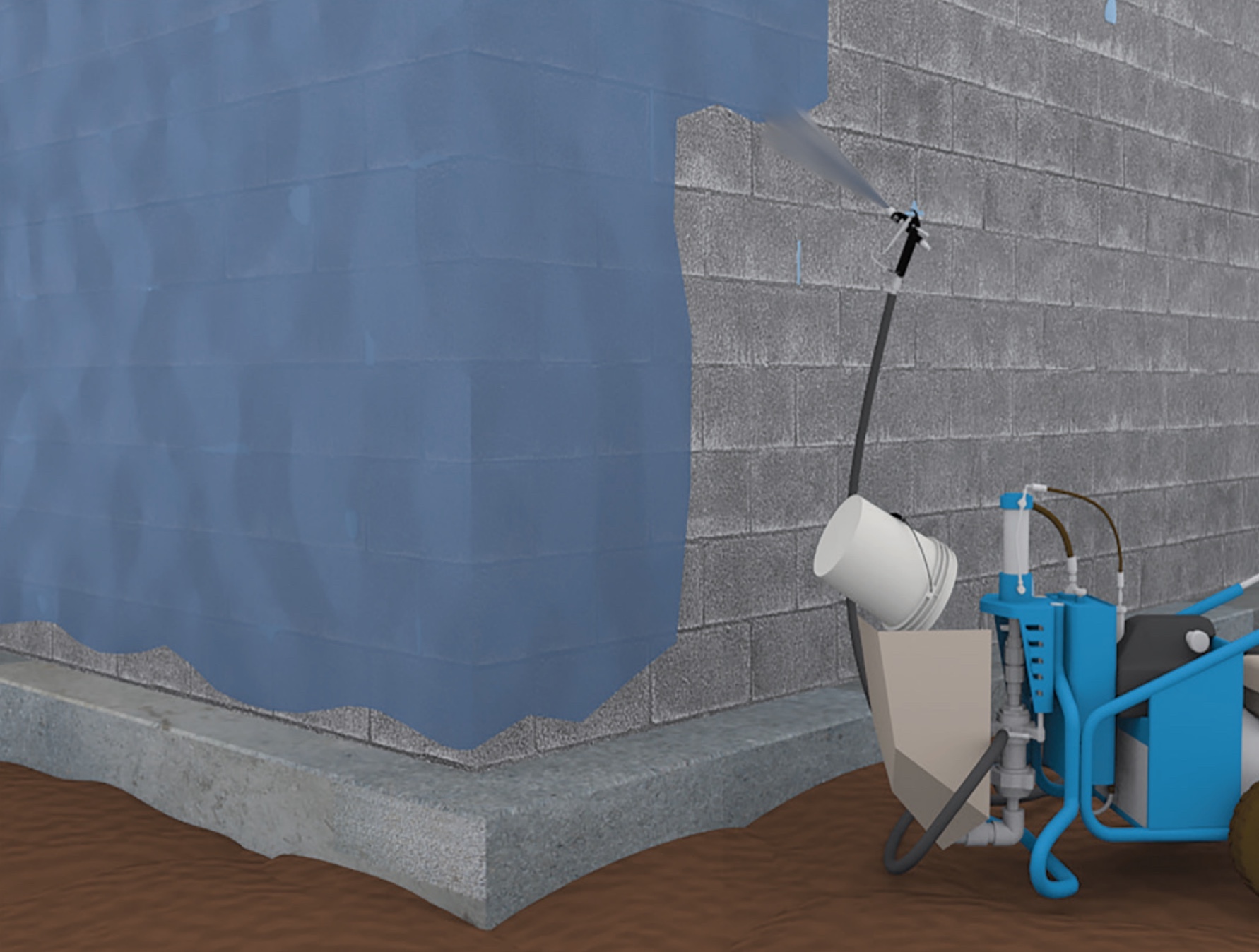
Mold encapsulation has become an essential strategy for protecting slab foundation homes in Sanford. This method involves sealing mold-contaminated or moisture-prone areas with specialized coatings, preventing spores from spreading and reducing the likelihood of future microbial growth. Understanding the process, benefits, and timing of mold encapsulation is key for property owners seeking long-term protection.
Why Slab Foundation Homes Are Vulnerable to Mold
1. Limited Drainage and Water Intrusion
- Slab foundations sit directly on the ground, making them susceptible to surface water infiltration during heavy rainfall or minor flooding.
- Poor grading or inadequate drainage around the foundation can allow water to seep into flooring edges and wall joints.
2. High Humidity Environment
Sanford’s subtropical climate keeps relative humidity levels consistently high. Even without visible leaks, moisture can migrate upward from the slab, penetrating flooring and lower wall sections.
3. Hidden Moisture Traps
- Water often accumulates under flooring, at expansion joints, or behind baseboards.
- Wall cavities near the slab can remain damp for weeks, creating an ideal environment for mold spores to proliferate.
4. Construction Materials
Many Sanford homes feature wood framing and drywall over slab foundations, which absorb moisture more readily than concrete. Fiberglass insulation can also retain water, increasing the risk of hidden microbial growth.
Common Signs of Mold Behind Slab Foundations
Even with hidden growth, homeowners may notice subtle warning signs:
- Musty or earthy odors near flooring or wall edges
- Warped or buckling floors, particularly near exterior walls
- Discoloration or water stains on walls or at baseboards
- Persistent high humidity readings indoors despite AC operation
- Allergic reactions or respiratory discomfort among occupants
Because these signs often appear late, early professional evaluation is critical for preventing extensive damage.
How Mold Encapsulation Works in Slab Foundation Homes
Step 1: Professional Inspection
- Conduct a visual inspection of flooring, baseboards, and wall edges.
- Use moisture meters and thermal imaging to detect hidden dampness beneath flooring or behind walls.
- Collect air and surface samples to assess the presence of mold spores and microbial contamination.
Step 2: Containment and Safety Preparation
- Establish containment zones to prevent spores from spreading during remediation.
- Seal HVAC vents and protect living areas from contamination.
- Technicians wear protective gear to ensure safety during the encapsulation process.
Step 3: Mold Remediation
- Remove heavily contaminated or unsalvageable materials, such as wet insulation or damaged drywall.
- Clean surfaces with antimicrobial treatments to kill active mold colonies.
- Ensure all affected areas are fully dried before encapsulation to prevent trapped moisture from causing regrowth.
Step 4: Encapsulation Application
- Apply specialized mold-resistant coatings or sealants to cleaned and dried surfaces.
- Seal areas such as subfloor edges, lower wall sections, and slab joints where mold is likely to develop.
- The coating prevents spores from becoming airborne and protects surfaces from future moisture exposure.
Step 5: Supporting Drying and Air Quality Control
- Integrate dehumidifiers and air movers to maintain safe humidity levels during and after encapsulation.
- Air scrubbers may be used to capture airborne spores released during remediation.
- Monitor moisture content to ensure all areas have reached safe levels before concluding the process.
Step 6: Verification and Follow-Up
- Perform post-encapsulation testing to confirm that mold spores have been contained.
- Provide homeowners with recommendations for humidity control, ventilation, and routine inspections to prevent recurrence.
Benefits of Mold Encapsulation in Slab Foundation Homes
- Prevents Spore Spread – Encapsulation traps mold spores, reducing the risk of contamination to other areas of the home.
- Protects Structural Components – Sealing wood framing, drywall, and subfloor edges slows deterioration caused by moisture and mold.
- Improves Indoor Air Quality – Reduces airborne spores and allergens that can impact respiratory health.
- Long-Term Protection – Mold-resistant coatings provide ongoing defense against microbial growth.
- Cost Efficiency – Early encapsulation prevents extensive damage that may require expensive replacement of flooring or drywall.
When to Schedule Mold Encapsulation
1. After Water Intrusion Events
- Heavy rainfall, roof leaks, plumbing leaks, or minor flooding can introduce hidden moisture beneath slab foundations.
- Prompt encapsulation prevents spores from taking hold and spreading.
2. During High Humidity Periods
- Florida summers or seasonal humidity spikes increase the risk of microbial growth.
- Scheduling evaluations during these periods allows preemptive protection.
3. Following Mold Detection
- Any signs of mold, musty odors, or visible water damage near slab edges indicate the need for immediate professional assessment and possible encapsulation.
4. During Renovations or Repairs
- If floors or walls near the slab are being replaced, encapsulation can protect newly exposed areas and prevent future microbial growth.
Cost Factors for Mold Encapsulation
- Size of the Affected Area
- Larger homes or widespread contamination require more material, labor, and longer application times.
- Severity of Moisture Intrusion
- Deep or persistent moisture may require more extensive drying and remediation before encapsulation.
- Material and Labor Costs
- Professional-grade mold-resistant coatings and experienced technicians influence total cost.
- Additional Remediation Measures
- Integration with dehumidifiers, air movers, and air scrubbers enhances effectiveness but adds to labor and equipment expenses.
Recovery Insights for Sanford Homeowners
- Early Intervention Saves Money – Addressing mold behind slab foundations before visible damage reduces overall remediation costs.
- Combine with Moisture Control – Encapsulation is most effective when paired with humidity monitoring and dehumidification.
- Routine Inspections – Regular checks of flooring edges, baseboards, and wall joints help detect moisture issues before mold develops.
- Education and Awareness – Homeowners should understand signs of hidden mold and the importance of professional remediation.
Why Local Expertise Matters
Sanford homes face unique environmental challenges, including:
- Coastal humidity and storm exposure
- Slab foundation construction common in Florida
- Older homes with materials prone to moisture retention
Local professionals understand how moisture migrates under slab foundations, where mold is likely to develop, and how to effectively encapsulate surfaces to prevent recurrence. Their knowledge ensures long-lasting protection and minimizes disruption to the home.
Conclusion
Mold encapsulation is a critical tool for Sanford homeowners seeking to protect slab foundation houses from hidden microbial growth. By sealing treated surfaces, preventing spore spread, and complementing moisture control strategies, encapsulation preserves structural integrity, improves indoor air quality, and reduces long-term repair costs.
Early evaluation, professional remediation, and strategic encapsulation ensure that mold does not compromise the safety, comfort, or value of a home—particularly in Florida’s humid, storm-prone climate.
