
How Mold Remediation Protects Properties in Cocoa Under Hardwood Flooring
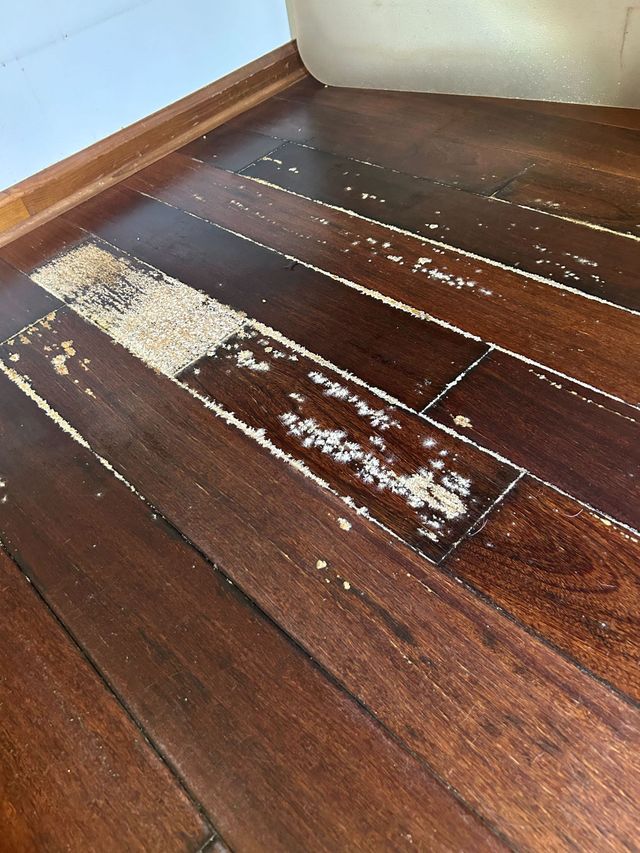
Hardwood flooring adds beauty and value to Cocoa homes, but in Florida’s humid climate, it can also mask hidden moisture and mold growth. Moisture trapped beneath the wood, whether from plumbing leaks, storm water intrusion, or high humidity, creates an ideal environment for mold colonies. If left unaddressed, this can cause structural damage, indoor air quality issues, and expensive repairs.
Mold remediation under hardwood flooring is not just cosmetic—it is essential for protecting property value, occupant health, and long-term home stability. This article explores why mold develops under hardwood, how it spreads silently, the remediation process, and preventive strategies tailored for Cocoa homes.
Why Hardwood Flooring Is Vulnerable in Cocoa
1. Coastal Humidity
- Cocoa’s proximity to the Atlantic means high ambient humidity year-round, often between 60–75%.
- Hardwood absorbs moisture from the air or from minor leaks, leading to warping, cupping, and hidden dampness beneath the surface.
2. Plumbing and Water Intrusion
- Leaking pipes, water heater issues, or slow plumbing leaks allow water to penetrate subfloors without visible surface signs.
- Water can travel along the wood grain or under floorboards, creating hidden pockets of moisture.
3. Storm Damage
- Heavy rain and hurricanes increase the likelihood of flooding or water seepage into slab foundations or crawl spaces beneath hardwood floors.
- Moisture may remain trapped under flooring for weeks, unnoticed by homeowners.
4. AC Condensation
- Air conditioning in Florida generates condensation, which may seep into flooring edges or under hardwood planks.
- Without proper vapor barriers, this moisture accumulates, promoting mold growth.
How Mold Develops Under Hardwood Flooring
- Moisture Accumulation – Wood and subflooring absorb water, creating damp pockets.
- Spore Activation – Mold spores, present naturally in air, become active when humidity exceeds 60% or wood remains wet.
- Colonization – Spores begin to colonize the subfloor, joints, and underlayment, forming hidden mold colonies.
- Structural Degradation – Prolonged exposure leads to wood softening, warping, and potential weakening of joists and subflooring.
Because hardwood often hides these early signs, homeowners may not realize a problem exists until it is extensive.
Common Signs Mold Might Be Present
Even when mold is hidden, Cocoa homeowners may notice subtle clues:
- Musty or earthy odors, especially in high humidity or after AC cycles
- Warping, cupping, or discoloration in the hardwood surface
- Allergic reactions like coughing, sneezing, or watery eyes among occupants
- Discoloration or staining along seams or edges of the flooring
- Persistent dampness in rooms over crawl spaces or slab foundations
Why DIY Attempts Often Fail
- Surface Cleaning Is Insufficient – Mold under flooring cannot be removed by cleaning the top of planks.
- Bleach and DIY Chemicals – These may kill surface spores but do not penetrate subflooring or root structures.
- Spore Spread – Improper cleaning can release spores into the air, contaminating other areas.
- Moisture Source Not Addressed – Without correcting leaks or humidity, mold returns quickly.
Professional Mold Remediation Process
Step 1: Inspection and Moisture Detection
- Technicians use moisture meters, thermal imaging, and hygrometers to locate damp subfloors.
- Crawl spaces, slabs, or underfloor cavities are checked to identify hidden water sources.
Step 2: Containment
- Work areas are sealed using plastic sheeting and negative air pressure systems to prevent spores from spreading.
- This ensures safety for occupants and prevents cross-contamination to other rooms.
Step 3: Removal of Contaminated Materials
- Mold-infested subflooring, underlayment, or damaged hardwood is carefully removed and disposed of safely.
- Only affected areas are targeted to minimize disruption while ensuring effective remediation.
Step 4: Cleaning and Treatment
- Remaining surfaces are cleaned with antimicrobial solutions, targeting both visible mold and microscopic spores.
- Crevices, joints, and joists are thoroughly treated to prevent recurrence.
Step 5: Drying and Moisture Control
- Air movers, dehumidifiers, and fans are installed to fully dry the subflooring and crawl space.
- Moisture levels are continuously monitored until they return to safe ranges.
Step 6: Mold Encapsulation (Optional)
- For residual structural materials, a mold-specific encapsulant is applied.
- This seals any remaining spores and protects against future contamination.
Step 7: Floor Restoration
- Once dry and treated, hardwood flooring can be reinstalled or refinished, ensuring the home is safe and structurally sound.
Benefits of Mold Remediation Under Hardwood Floors
- Protects Structural Integrity – Prevents wood rot and subfloor damage.
- Improves Indoor Air Quality – Removes hidden spores that can cause allergies or respiratory irritation.
- Prevents Recurrence – By addressing both mold and moisture sources, future outbreaks are minimized.
- Cost Savings – Early detection and remediation avoid extensive structural repairs later.
- Tenant and Occupant Safety – Especially important in rental properties or homes with children and elderly residents.
Long-Term Preventive Measures
- Routine Inspections – Check crawl spaces, slab foundations, and under flooring after storms or plumbing repairs.
- Dehumidifiers and Ventilation – Maintain optimal humidity in subfloor and crawl spaces.
- Prompt Leak Repairs – Address plumbing or roof issues immediately.
- Thermal Imaging Scans – Annual scans detect hidden moisture before it affects hardwood flooring.
- Vapor Barriers – Install moisture barriers under flooring in high-risk areas.
Local Expertise Matters
Companies like Inspections and More FL bring hands-on experience with Cocoa’s humid, storm-prone climate. They understand:
- How hidden water under hardwood flooring develops in Florida homes
- How to interpret moisture readings and thermal scans accurately
- Which remediation methods best protect slab foundations and crawl spaces
- How to prevent future moisture intrusion and mold regrowth
Local expertise ensures remediation is both effective and durable, protecting property value and occupant safety.
Conclusion
Mold growth under hardwood flooring in Cocoa is silent but potentially destructive. High humidity, hidden water intrusion, and Florida storms create ideal conditions for mold colonies to thrive beneath floorboards.
Professional mold remediation involves detection, containment, cleaning, drying, and optional encapsulation, providing homeowners with a safe, dry, and structurally sound home. Combined with preventive measures like dehumidification, ventilation, and routine inspections, this approach safeguards properties, preserves flooring, and protects indoor air quality.
By addressing hidden mold under hardwood floors proactively, Cocoa homeowners and property managers can avoid costly repairs, protect tenants, and maintain the long-term value of their properties.
