
How Mold Removal Protects Properties in Melbourne After Flooding Events
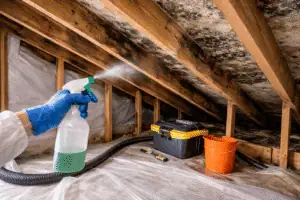
Flooding is one of the most destructive forces a Melbourne home can face. Heavy rains, hurricanes, and rising waterways can introduce water into homes, often in ways that are hidden or difficult to access. Beyond the immediate damage to flooring, walls, and personal property, flooding creates the perfect environment for mold growth, which can spread rapidly and compromise both the structural integrity and indoor air quality of a property.
For homeowners, landlords, and property managers, professional mold removal after flooding events is not optional—it’s essential. Effective remediation prevents hidden damage, protects residents, and ensures that homes can safely recover from storm-related water intrusion.
What the Issue Is
When floodwaters enter a Melbourne home, they do more than soak visible surfaces:
- Slab foundations – Water can seep along edges, saturating framing and flooring.
- Crawl spaces and subfloor areas – These spaces often trap water that seeps upward into walls and floors.
- Wall cavities and insulation – Drywall and insulation absorb moisture, creating an ideal environment for mold.
- Attics and roof assemblies – Leaks or overflows can introduce water that collects in insulation or roof decking.
- HVAC systems and ducts – Water may infiltrate ductwork, spreading moisture and microbial spores throughout the home.
Even after visible water is removed, residual moisture can linger, allowing mold spores to thrive. If untreated, these spores can grow rapidly, compromise structural materials, and affect indoor air quality.
Why This Happens So Often in Melbourne
Several local factors make Melbourne homes particularly vulnerable to mold after flooding:
- High rainfall and tropical storms – Seasonal storms bring heavy rain, overwhelming drainage systems and increasing flood risk.
- High humidity year-round – Moisture evaporates slowly, giving mold spores the perfect conditions to grow.
- Aging homes and older construction materials – Many homes have gaps in vapor barriers or insulation that trap moisture.
- Slab foundations – Limited access beneath floors makes detecting and removing moisture difficult.
- AC and plumbing leaks – Condensation from HVAC systems or hidden plumbing leaks can compound flood-related water intrusion.
Combined, these factors mean that even short-term flooding events can trigger significant mold issues if left unaddressed.
Common Signs Property Owners Notice
While some damage is visible, many mold problems go unnoticed until professional inspection:
- Musty odors – Often the first clue that hidden mold is developing.
- Warped or cupped flooring – Moisture trapped under hardwood, laminate, or tile can distort surfaces.
- Discolored or stained walls and baseboards – Indicates water absorption and potential microbial growth behind surfaces.
- Visible mold – Appears on walls, ceilings, or flooring edges when spores have colonized surfaces.
- Soft or spongy floors – Suggests prolonged exposure to water and mold activity.
- Elevated humidity or condensation – Damp rooms may indicate persistent moisture even after visible water is gone.
Professional inspections often reveal additional hidden mold behind walls, under flooring, or in attics, emphasizing the importance of comprehensive remediation.
Hidden or Overlooked Sources
Mold often develops in areas homeowners cannot easily access:
- Wall cavities – Water wicks along studs, saturating drywall and insulation.
- Under flooring – Hardwood, laminate, or tile can trap water between the surface and subfloor.
- Crawl spaces and subflooring – Standing water or trapped moisture can lead to widespread mold growth.
- HVAC ducts – Moisture in ducts can spread spores throughout the home.
- Attics and roof decks – Leaks often go unnoticed until mold begins to grow on insulation or wood framing.
Identifying these hidden sources is critical because surface cleaning alone cannot eliminate mold; spores in concealed areas continue to multiply until properly remediated.
Why DIY Mold Removal Often Fails
Many homeowners attempt to remove mold themselves, but DIY approaches are rarely sufficient after flooding:
- Surface cleaning only – Scrubbing walls or floors removes visible mold but leaves spores behind in hidden cavities.
- Bleach myths – While it may disinfect surfaces temporarily, bleach cannot penetrate porous materials or prevent regrowth.
- Moisture remains untreated – Mold thrives in damp environments; without drying and dehumidification, spores continue to grow.
- Spore spread – Improper cleaning can aerosolize spores, contaminating other areas.
- Structural compromise remains – Wood, drywall, and flooring can continue deteriorating if mold is not fully removed.
Professional remediation addresses both visible and hidden mold, ensuring that homes are safe, structurally sound, and protected against recurrence.
How Professional Mold Removal Works
Effective mold remediation in Melbourne involves several critical steps:
- Comprehensive inspection – Using moisture meters, thermal imaging, and visual assessment to locate hidden mold.
- Containment procedures – Prevent spores from spreading during remediation by isolating affected areas.
- Moisture removal and dehumidification – Industrial air movers and dehumidifiers eliminate residual water from flooring, walls, and cavities.
- Safe mold removal – Includes scraping, sanding, or removing affected drywall, insulation, or wood.
- Air scrubbing – HEPA filtration captures airborne spores and allergens.
- Mold encapsulation – Seals surfaces that cannot be fully removed to prevent spores from becoming airborne again.
- Post-remediation monitoring – Confirms that moisture levels are safe and spores have been controlled.
This integrated approach ensures complete mold elimination and long-term protection for homes affected by flooding.
How Mold Removal Protects Melbourne Properties
Professional mold removal delivers multiple benefits after flood events:
- Preserves structural integrity – Wood framing, subflooring, and drywall remain protected from decay.
- Prevents mold recurrence – Dehumidification, encapsulation, and air scrubbing reduce the risk of new growth.
- Improves indoor air quality – HEPA filtration and remediation remove spores, allergens, and microbial contaminants.
- Protects flooring and finishes – Hardwood, laminate, and tile remain stable when moisture is fully removed.
- Reduces long-term repair costs – Addressing mold early prevents widespread structural damage.
- Peace of mind – Homeowners can confidently reoccupy their home knowing mold has been professionally managed.
For Melbourne residents, mold removal is essential after flooding, even when water appears to have been quickly removed.
Long-Term Protection Strategies
To prevent mold from returning after flood events, homeowners should adopt these practices:
- Prompt water removal and drying – Address flooding immediately to minimize moisture exposure.
- Use professional dehumidifiers – Maintain relative humidity below 60% in all affected areas.
- Inspect HVAC systems – Prevent moisture from entering ductwork and spreading spores.
- Seal and encapsulate treated surfaces – Reduce the risk of spores becoming airborne.
- Monitor moisture levels – Use sensors or professional follow-up to ensure the home is fully dry.
- Routine inspections – Especially in areas prone to flooding or high humidity.
- Address roof and foundation vulnerabilities – Minimize the chance of future water intrusion during storms.
These strategies ensure long-term protection for homes, reduce mold risk, and safeguard indoor air quality.
