
How Mold Removal Protects Properties in Merritt Island in Slab Foundation Houses
Slab foundation homes are common throughout Merritt Island.
From canal-front properties near Sykes Creek to established neighborhoods closer to the Indian River Lagoon, many houses here sit directly on concrete slabs. It’s a practical design for Florida soil conditions — but in a coastal environment with high humidity and rising water tables, slab foundations bring their own moisture challenges.
When mold develops in a slab foundation house, it’s rarely just a surface issue.
Mold removal, done properly, protects far more than drywall. It protects structural stability, indoor air quality, and long-term property value.
Why Slab Foundation Homes in Merritt Island Face Unique Moisture Risks
Merritt Island’s location between major waterways means groundwater levels can rise quickly during heavy rain or storm season.
Slab homes here deal with:
• Elevated water tables after storms
• Coastal humidity year-round
• Salt-laden air exposure
• Prolonged rainy seasons
• Minimal crawl space ventilation (because there is none)
Unlike crawl space homes, slab houses don’t have airflow beneath the structure. When moisture migrates upward through concrete, it moves directly into flooring and wall systems.
Concrete is porous.
Over time, moisture vapor can pass through the slab — especially in older homes where vapor barriers may have deteriorated.
How Mold Develops in Slab Homes
Mold in slab foundation houses typically forms in predictable areas:
• Along baseboards
• Behind drywall near exterior walls
• Beneath laminate or hardwood flooring
• Around plumbing penetrations
• Near sliding glass doors
• Under kitchen and bathroom cabinets
Moisture often travels upward from the slab or inward from wind-driven rain.
If flooring traps that moisture, conditions become ideal for microbial growth.
By the time a musty odor develops, moisture may have been present for weeks.
The Hidden Spread Beneath Flooring
One of the biggest misconceptions about mold in slab homes is that it stays visible.
In reality, moisture beneath flooring spreads horizontally.
Inspections in Merritt Island slab homes often uncover:
• Damp underlayment
• Elevated slab moisture levels
• Hidden mold beneath laminate
• Subfloor adhesives breaking down
• Moisture wicking into drywall
Simply replacing flooring without addressing slab moisture and mold contamination leads to recurring problems.
Proper mold removal protects the structural interface between slab and living space.
Plumbing Leaks and Slab Intrusion
Many slab homes have plumbing lines embedded within or beneath the concrete.
A small plumbing leak can release water slowly into the slab.
Homeowners may notice:
• Warm spots on flooring
• Persistent damp smells
• Darkened grout
• Warped flooring panels
By the time the issue becomes obvious, mold may have formed beneath floor coverings or inside adjacent wall cavities.
Mold removal in these situations requires both contamination removal and structural drying.
Ignoring either step leaves the structure vulnerable.
Why Surface Cleaning Isn’t Enough
In Merritt Island’s humid climate, wiping visible mold or applying surface cleaners rarely solves the issue.
Concrete and drywall are porous.
Mold roots can penetrate below the surface.
Effective mold removal in slab homes typically involves:
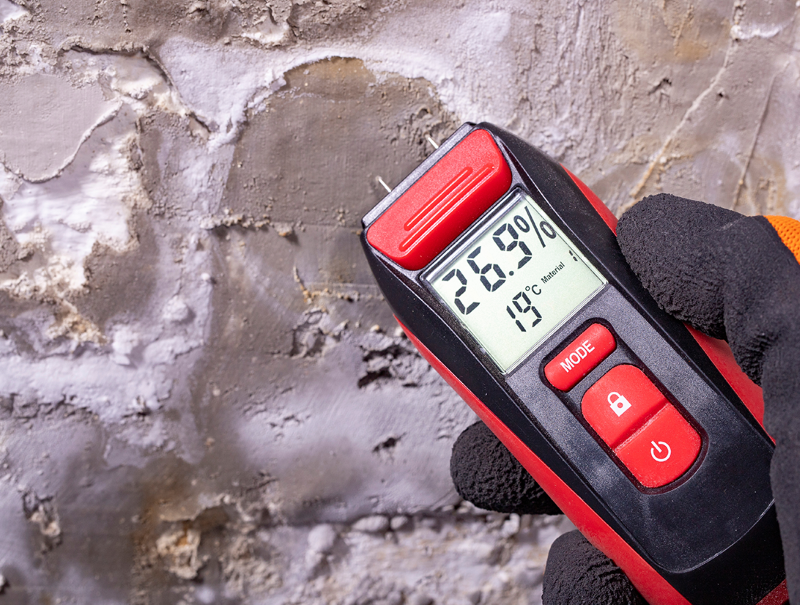
• Moisture detection to map spread
• Removal of contaminated drywall
• Lifting and discarding affected flooring
• Cleaning exposed framing
• Structural drying
• Verification of moisture levels
Without removing damp materials, contamination can return quickly.
Companies like Inspections and More FL focus on identifying the moisture source before completing removal to prevent recurrence.
The Role of Structural Drying
Mold removal without drying is incomplete.
After contaminated materials are removed, dehumidification and air movement help restore safe moisture levels.
In slab homes, drying may include:
• Dehumidifiers to reduce indoor humidity
• Air movers positioned across exposed slab areas
• Moisture meter readings to confirm slab stabilization
• Monitoring wall framing moisture
Florida’s coastal humidity slows evaporation.
Controlled drying protects structural components beneath finished surfaces.
Protecting Indoor Air Quality
Mold in slab homes doesn’t just affect flooring.
Spores can circulate through HVAC systems, especially if air returns are located near affected areas.
Professional mold removal includes containment to prevent cross-contamination.
Without containment:
• Spores may spread into unaffected rooms
• Duct systems may distribute contaminants
• Indoor air quality may decline
Proper removal protects occupants and reduces future complaints of musty air.
Why Timing Matters in Merritt Island
Coastal humidity accelerates mold growth.
Warm temperatures combined with moisture allow microbial colonies to develop within 24 to 48 hours.
Scheduling mold removal early:
• Limits structural impact
• Reduces demolition scope
• Protects flooring and drywall
• Prevents odor spread
• Stabilizes indoor humidity
Waiting allows moisture to travel further across slab surfaces and into adjacent walls.
Preventing Mold in Slab Foundation Houses
After mold removal and drying, homeowners in Merritt Island can reduce recurrence by:
• Monitoring indoor humidity levels
• Inspecting plumbing annually
• Sealing sliding door thresholds
• Addressing minor leaks immediately
• Installing vapor barriers when replacing flooring
• Scheduling post-storm inspections
Slab homes require consistent moisture oversight in Florida’s coastal climate.
Preventive maintenance protects long-term value.
Why Local Experience Matters
Merritt Island slab homes behave differently than inland slab homes in Sanford or crawl space homes in Palm Bay.
Understanding:
• Coastal groundwater fluctuations
• Salt air impact on building materials
• Seasonal humidity cycles
• Common slab construction methods in Brevard County
helps professionals determine how moisture is entering and spreading.
Localized experience prevents unnecessary demolition while ensuring contamination is fully addressed.
Balanced evaluation protects both structure and investment.
A Practical Next Step for Slab Homes
If you own a slab foundation home in Merritt Island and notice musty odors, flooring changes, or elevated humidity, scheduling a moisture and mold evaluation is a proactive step.
Mold removal protects more than surfaces.
It protects the concrete slab interface, structural framing, and indoor air quality.
In Florida’s coastal climate, moisture migration is predictable.
Proper mold removal ensures it doesn’t become permanent structural damage.
Handled early and correctly, slab homes remain durable and stable — even in high-humidity environments.
