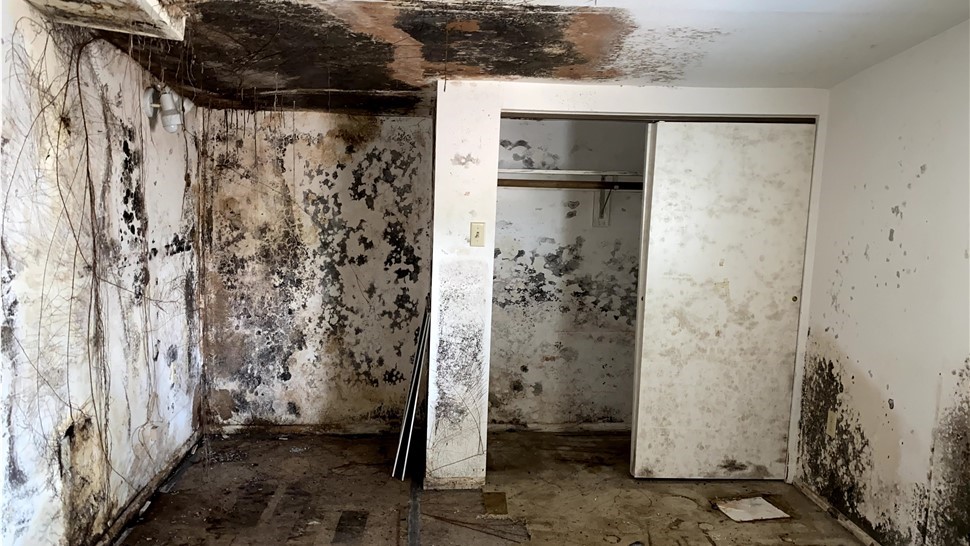
How Mold Removal Protects Properties in Sanford Waterfront Homes
Waterfront living in Sanford offers beautiful views of Lake Monroe and access to the St. Johns River, along with steady breezes and a unique Central Florida lifestyle. But homes located near water also face elevated moisture exposure year-round.
Humidity levels remain high, groundwater levels fluctuate, and storms can bring heavy rain in a short period of time. When moisture finds its way inside—whether through minor leaks, condensation, or storm intrusion—mold growth can begin quickly in Florida’s warm climate.
Mold removal in Sanford waterfront homes is not simply about appearance. It is about protecting structural integrity, maintaining indoor air quality, and preventing long-term property damage. When handled properly, professional mold removal stabilizes the environment and helps homeowners preserve the value of their property.
Why Waterfront Homes in Sanford Are More Vulnerable
Although Sanford is inland compared to coastal communities like Cocoa or Melbourne, waterfront properties along Lake Monroe experience distinct moisture pressures.
Elevated Humidity
Proximity to large bodies of water increases ambient humidity levels. Even on clear days, moisture in the air can migrate indoors through normal ventilation.
High Water Table
Waterfront homes often sit closer to fluctuating groundwater levels. After heavy rain, moisture can move upward through slab foundations and into wall systems.
Storm-Driven Rain
Sanford experiences intense summer thunderstorms. Wind-driven rain can enter through minor roof or window vulnerabilities.
Continuous Air Conditioning Use
Because humidity remains high for much of the year, air conditioning systems run frequently. Condensation buildup inside ducts or air handlers can contribute to hidden moisture.
These conditions create an environment where mold growth is more likely if moisture is not carefully managed.
How Mold Develops in Waterfront Homes
Mold requires three elements:
-
Moisture
-
Organic material
-
Warm temperatures
Sanford’s climate naturally provides warmth. Homes contain organic materials such as drywall, wood framing, insulation, and flooring. When moisture is introduced, growth can begin rapidly.
In waterfront properties, mold commonly develops in:
-
Attics after roof leaks
-
Wall cavities near windows
-
Baseboards along slab foundations
-
Behind bathroom tile
-
Inside HVAC systems
Because many of these areas are hidden, mold can spread quietly before it is noticed.
Early Warning Signs Homeowners Notice
Waterfront homeowners in Sanford may observe:
-
Persistent musty odors
-
Staining on ceilings or walls
-
Peeling paint
-
Soft drywall
-
Warped baseboards
-
Increased indoor humidity
Sometimes the only sign is a subtle change in air quality.
Ignoring these signs allows moisture and mold to expand deeper into structural materials.
Why Mold Removal Is Necessary
Mold removal becomes necessary when growth has established itself on building materials.
Without removal:
-
Structural wood can weaken over time
-
Insulation loses effectiveness
-
Drywall deteriorates
-
Odors persist
-
Spores circulate through indoor air
In waterfront homes where humidity remains elevated, untreated mold problems often worsen rather than stabilize.
Professional mold removal protects the home by addressing both visible growth and hidden contamination.
The Professional Mold Removal Process
Mold removal in Sanford waterfront homes follows a structured approach.
Step 1: Moisture Source Identification
Before removal begins, professionals identify and correct the moisture source.
This may involve:
-
Roof repairs
-
Plumbing fixes
-
Drainage improvements
-
HVAC adjustments
Without correcting moisture, mold will return.
Step 2: Detailed Inspection
Using moisture meters and thermal imaging, professionals determine the extent of contamination.
Waterfront homes often show moisture migration along slab edges or window frames.
Step 3: Containment
Affected areas are sealed with containment barriers.
Negative air pressure systems prevent spores from spreading to other parts of the home.
Step 4: Removal of Contaminated Materials
Damaged drywall, insulation, or porous materials are removed safely.
Non-porous surfaces are cleaned thoroughly.
Step 5: HEPA Air Scrubbing
Air scrubbers filter airborne spores during removal.
This protects unaffected areas and improves indoor air quality.
Step 6: Structural Drying
Industrial dehumidifiers and air movers stabilize moisture levels.
Step 7: Surface Treatment and Prevention
Antimicrobial treatments may be applied to cleaned surfaces.
In some cases, encapsulation is used to seal treated framing.
Companies such as Inspections and More FL approach mold removal with a focus on long-term moisture control, not just surface cleaning.
Protecting Structural Integrity
Waterfront homes experience constant moisture pressure.
If mold is allowed to remain:
-
Framing may soften
-
Roof decking can deteriorate
-
Subfloors may weaken
-
Interior finishes may warp
Professional removal prevents continued degradation.
In Florida’s humid climate, minor mold growth can expand quickly if left untreated.
Addressing the issue early protects the structural core of the property.
Protecting Indoor Air Quality
Mold spores do not stay confined to the area where growth occurs.
They can travel through:
-
HVAC systems
-
Open doorways
-
Attic access points
-
Electrical outlets
In waterfront homes where ventilation patterns shift with humidity, spores may circulate throughout living spaces.
HEPA air scrubbing during removal reduces airborne contamination.
Once removal and drying are complete, indoor air stabilizes.
Preventing Recurrence in Waterfront Homes
After mold removal, prevention is essential.
Sanford waterfront homeowners can reduce future risk by:
-
Maintaining HVAC systems
-
Monitoring indoor humidity (45–55%)
-
Using dehumidifiers during peak humidity
-
Inspecting roofs annually
-
Checking window seals
-
Ensuring proper drainage around the foundation
Routine inspections are especially important after heavy rain events.
Waterfront properties benefit from periodic moisture assessments due to ongoing exposure.
Lessons Learned from Local Cases
Experience across Sanford and surrounding communities shows consistent patterns:
-
Small leaks can cause large hidden damage
-
Slab edges are common moisture entry points
-
HVAC systems often contribute to condensation issues
-
Delayed action increases repair costs
-
Proper containment prevents cross-contamination
Homes near Lake Monroe may experience slightly different moisture patterns than coastal homes in Cocoa or Merritt Island, but humidity remains a common factor.
Understanding these local conditions improves removal effectiveness.
Why Local Florida Experience Matters
Mold removal in Florida differs from drier regions.
Professionals familiar with Sanford understand:
-
Lake-driven humidity patterns
-
Slab foundation moisture migration
-
Storm intensity in Central Florida
-
AC condensation behavior
-
Building materials commonly used in local construction
Experience in Palm Bay, Melbourne, Cocoa, and Merritt Island further enhances understanding of moisture behavior in waterfront environments.
Local knowledge ensures that removal strategies are tailored to Florida’s climate.
A Balanced and Protective Approach
Mold removal in Sanford waterfront homes is not about alarm. It is about stabilization.
Waterfront living brings constant moisture exposure. When mold develops, thorough removal combined with moisture correction protects both structure and indoor air.
Addressing growth early prevents:
-
Structural deterioration
-
Persistent odors
-
Repeated remediation
-
Escalating repair costs
With proper inspection, containment, removal, and drying, waterfront homeowners can restore balance and maintain their property’s long-term value.
In Florida’s humid environment, careful mold removal is a practical and protective step that keeps Sanford waterfront homes strong, stable, and comfortable year-round.