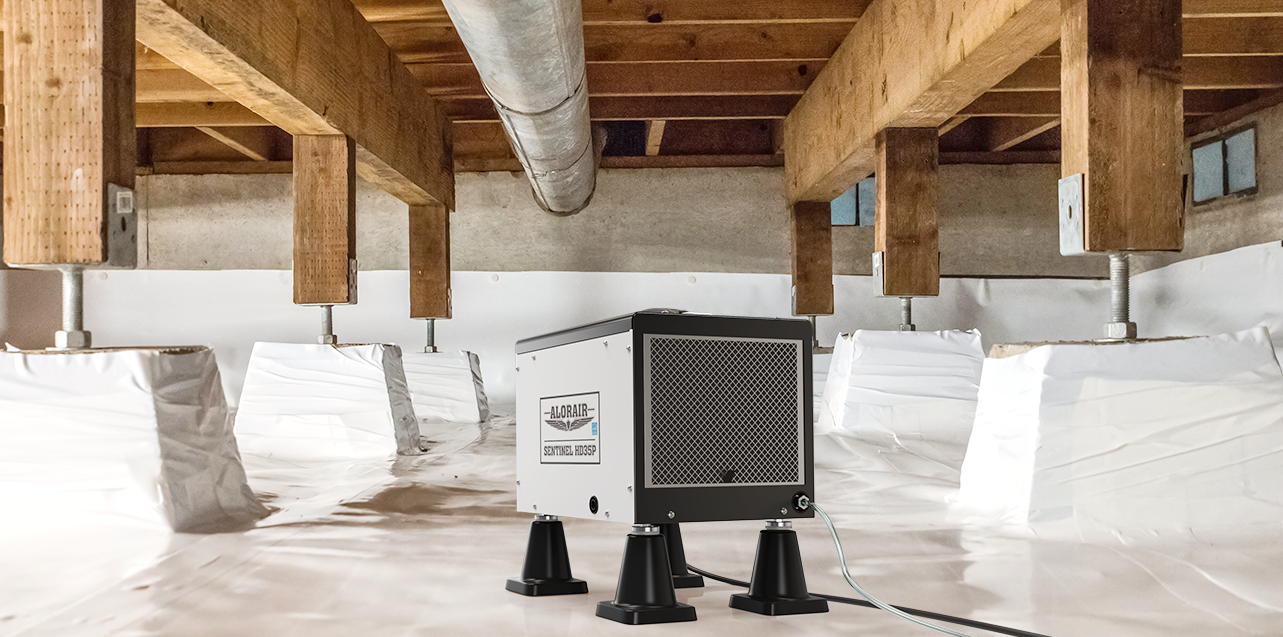
How Structural Dryouts Protect Properties in Sanford in Crawl Spaces
Crawl spaces in Sanford homes don’t get much attention — until something goes wrong. Out of sight often means out of mind. But in Florida’s humid climate, crawl spaces are one of the most vulnerable areas of any structure.
Between heavy rains, high groundwater levels, and year-round humidity, crawl spaces can quietly accumulate moisture. If that moisture isn’t properly addressed, it can affect subflooring, framing, insulation, and even indoor air quality.
That’s where structural dryouts become essential. In Sanford, a properly executed dryout protects not just the crawl space — but the entire home above it.
Why Crawl Spaces in Sanford Are So Vulnerable
Sanford may be inland compared to coastal communities like Cocoa or Melbourne, but it still experiences intense humidity and frequent storm cycles.
Crawl spaces are particularly vulnerable because they:
- Sit close to the soil
- Often have limited ventilation
- Contain exposed wood framing
- House plumbing and ductwork
- Trap humid air
After heavy rain or plumbing leaks, moisture can collect beneath the home and linger far longer than expected.
In Florida, damp conditions don’t naturally resolve quickly.
Common Moisture Sources in Crawl Spaces
Structural dryouts often become necessary after moisture enters from:
Heavy Rain and Poor Drainage
Improper grading or clogged gutters can direct water toward the foundation.
High Groundwater Levels
Saturated soil increases moisture vapor under the home.
Plumbing Leaks
Supply or drain lines in crawl spaces may leak unnoticed.
HVAC Condensation
Ductwork in humid crawl spaces can sweat or leak.
Storm Season Exposure
Repeated rain events compound moisture buildup.
Because crawl spaces are enclosed, trapped moisture creates an ideal environment for mold growth and wood deterioration.
What Happens If Moisture Isn’t Removed
If crawl space moisture remains unaddressed, it can lead to:
- Mold growth on subflooring and framing
- Wood rot
- Insulation breakdown
- Warped flooring above
- Musty indoor odors
- Increased indoor humidity
- Pest attraction
Moisture rising from below affects the entire home through what’s known as the stack effect — air from the crawl space moves upward into living areas.
Structural dryouts prevent these cascading problems.
What a Structural Dryout Involves
A structural dryout in a Sanford crawl space is a controlled process — not simply placing a fan under the house.
Step 1: Moisture Detection
Professionals assess moisture levels using meters and thermal imaging where applicable.
Step 2: Water Removal
Standing water is extracted if present.
Step 3: Removal of Saturated Materials
Wet insulation or damaged materials may require removal.
Step 4: Dehumidification
High-capacity dehumidifiers reduce humidity levels inside the crawl space.
Step 5: Air Movement
Air movers circulate air to accelerate evaporation from structural materials.
Step 6: Ongoing Monitoring
Moisture levels are measured daily until materials reach safe ranges.
Companies such as Inspections and More FL approach crawl space dryouts with measured data rather than guesswork.
Why Florida’s Climate Makes Dryouts More Challenging
In Sanford, drying crawl spaces requires attention to environmental conditions.
High Outdoor Humidity
Opening vents during humid weather can introduce more moisture instead of helping.
Warm Temperatures
Heat accelerates microbial growth if drying is delayed.
Repeated Rain Events
Drying must be completed before additional storms introduce more moisture.
Limited Access
Crawl spaces can be tight, making equipment placement more complex.
Professional-grade drying equipment is often necessary to achieve full structural dryness.
The Role of Dehumidification in Crawl Spaces
Dehumidification is central to protecting crawl spaces in Florida.
Professional systems:
- Remove large volumes of moisture from the air
- Lower relative humidity
- Encourage moisture release from wood framing
- Stabilize environmental conditions
Portable household units are rarely sufficient for crawl space conditions.
Humidity control must reach the source area beneath the home.
Why Quick Action Matters
In Sanford’s warm, humid environment, mold can begin developing within 24–48 hours after moisture intrusion.
Delays in structural dryouts increase the likelihood of:
- Mold remediation
- Framing replacement
- Subfloor damage
- Persistent odors
- Air quality issues
Addressing moisture immediately reduces long-term repair costs.
Preventing Recurring Crawl Space Moisture
Long-term protection includes:
- Improving exterior drainage
- Ensuring proper gutter function
- Inspecting plumbing regularly
- Sealing foundation gaps
- Considering vapor barriers where appropriate
- Monitoring humidity levels
Routine crawl space evaluations, especially after heavy rain, help prevent moisture buildup from going unnoticed.
Why Local Experience Matters
Moisture behavior in Sanford crawl spaces differs from drier climates.
Professionals familiar with Sanford, Cocoa, Melbourne, Palm Bay, and Merritt Island understand:
- Florida humidity cycles
- Soil saturation patterns
- Seasonal storm behavior
- Crawl space ventilation challenges
Local expertise ensures structural dryouts account for environmental factors specific to Central Florida.
Inspections and More FL works within these conditions, focusing on full moisture stabilization before closing crawl space areas back up.
A Practical Next Step
If your Sanford home has experienced heavy rain, plumbing leaks, or persistent musty odors, don’t overlook the crawl space.
Structural dryouts protect the framing, subfloor, and indoor air quality of the entire property.
In Florida’s humid climate, moisture beneath the home doesn’t simply evaporate. It must be removed deliberately and monitored carefully.
Addressing crawl space moisture once — thoroughly — prevents recurring mold issues and protects your home’s long-term stability.