How Thermal Imaging Inspections Protect Properties in Palm Bay During Extreme Humidity
Extreme humidity in Palm Bay isn’t just uncomfortable — it’s structural.
When the air feels heavy for weeks at a time, moisture doesn’t just stay outside. It seeps into attic spaces, settles along slab edges, collects in wall cavities, and lingers inside HVAC systems. And because Florida humidity often feels “normal,” hidden moisture problems can go undetected until visible damage appears.
That’s where thermal imaging inspections become one of the most valuable protective tools.
In Palm Bay’s humid climate, thermal imaging helps identify moisture before it leads to mold growth, structural weakening, or recurring damage.
Why Extreme Humidity Is a Structural Concern in Palm Bay
Palm Bay experiences long stretches of elevated humidity, especially during summer and hurricane season.
Extreme humidity can:
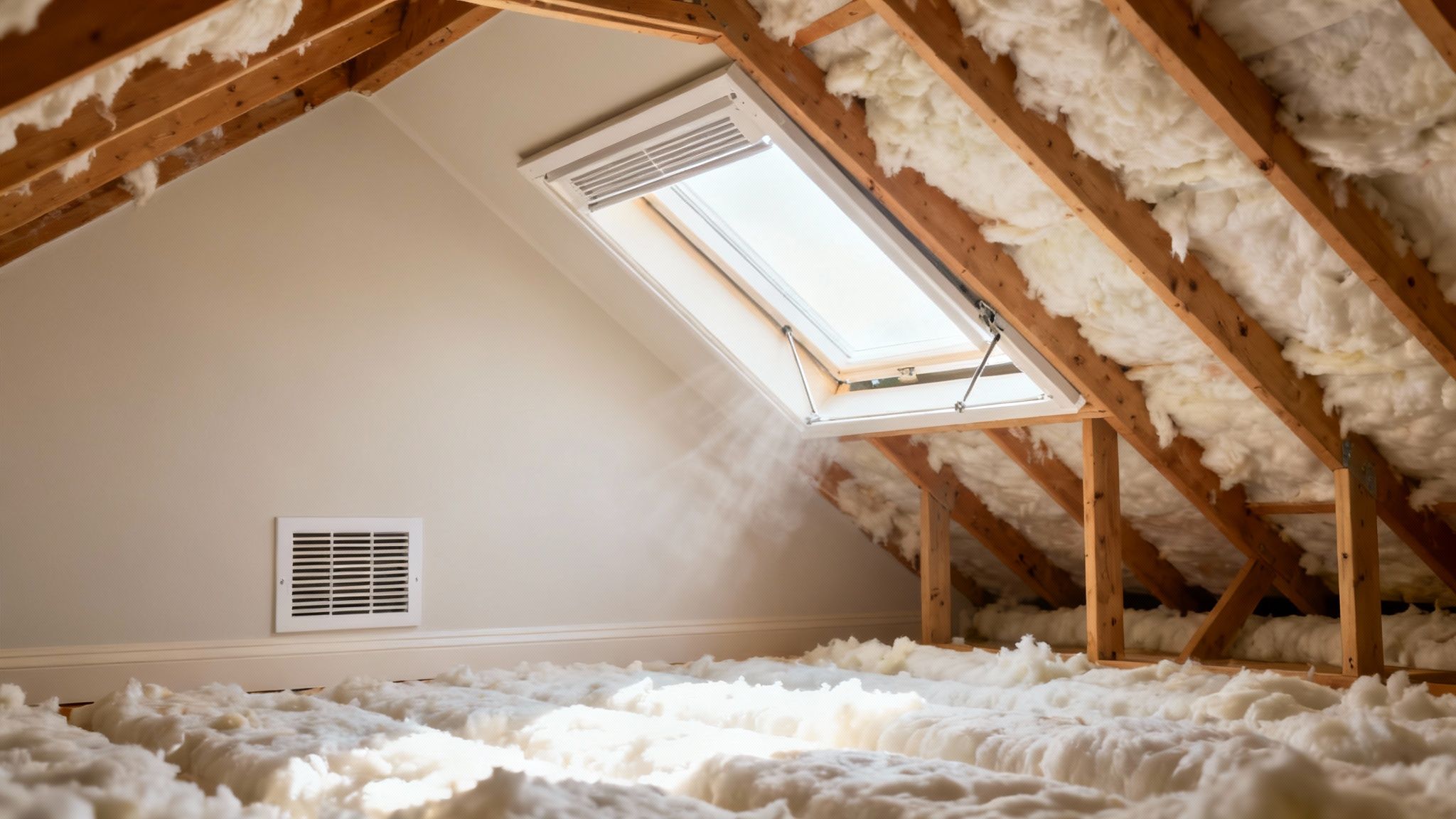
- Saturate attic insulation
- Increase duct sweating
- Cause condensation on cooler slab surfaces
- Elevate crawl space moisture
- Slow natural evaporation after minor leaks
Even without visible water intrusion, materials like drywall and wood framing can absorb ambient moisture.
Over time, that buildup creates ideal conditions for mold growth and structural deterioration.
Humidity is silent — and that’s why detection is critical.
What Thermal Imaging Inspections Actually Do
Thermal imaging cameras detect temperature differences on surfaces.
Moisture changes the way materials retain and release heat. Damp areas often show up as cooler or warmer spots compared to dry materials.
In Palm Bay homes, thermal imaging helps professionals:
- Identify hidden moisture behind drywall
- Detect damp attic insulation
- Locate condensation patterns
- Spot slab edge moisture
- Reveal duct sweating issues
- Pinpoint early-stage water intrusion
Most importantly, thermal imaging is non-invasive. It allows detection without unnecessary demolition.
Why Visual Checks Aren’t Enough During Humid Periods
When humidity rises, homeowners may notice:
- Slight musty smells
- Minor staining
- Warped trim
- Damp-feeling air
But visual inspections rarely reveal internal moisture levels.
During extreme humidity:
- Surfaces may appear dry while internal framing remains damp
- Insulation may hold moisture without visible staining
- Wall cavities may trap condensation
- Subfloors may absorb moisture silently
Thermal imaging detects what the eye cannot see.
Common Hidden Moisture Areas in Palm Bay Homes
During humid seasons, thermal imaging often reveals moisture in:
Attics
Hot attic air combined with humidity increases insulation saturation.
Slab Perimeters
Concrete absorbs and slowly releases moisture.
Behind Supply Vents
Cold air meets warm humid air, causing condensation.
Crawl Spaces
Ground moisture rises into subfloor systems.
Around Windows and Doors
Seal failure during storms leads to hidden dampness.
Without early detection, these areas can support mold growth within days.
How Early Detection Saves Money
Catching moisture early dramatically reduces repair costs.
Early Detection
- Limited structural drying
- Targeted remediation
- Minor material replacement
- Lower labor costs
Delayed Discovery
- Extensive drywall removal
- Subfloor replacement
- Structural framing repair
- Full mold remediation
- Longer drying timelines
In Palm Bay’s humid climate, moisture spreads quickly. Early intervention limits the scope.
The Professional Inspection Process
Thermal imaging inspections follow a structured method.
1. Indoor Climate Evaluation
Ensuring proper temperature differentials for accurate readings.
2. Systematic Scanning
Walls, ceilings, floors, attic spaces, and slab edges are examined carefully.
3. Moisture Meter Confirmation
Thermal anomalies are verified with moisture measurement tools.
4. HVAC Assessment
Ductwork and air handlers are inspected for condensation issues.
5. Documentation and Mapping
Affected zones are identified for monitoring or drying.
Companies like Inspections and More FL combine thermal imaging with moisture verification to avoid false readings and unnecessary demolition.
The Role of Thermal Imaging in Preventing Mold
Mold requires moisture.
By identifying hidden dampness early, professionals can:
- Initiate structural dryouts
- Improve ventilation
- Adjust HVAC performance
- Correct minor intrusion
- Prevent spore spread
During extreme humidity, this proactive approach prevents small moisture imbalances from turning into remediation projects.
Why Extreme Humidity Increases Detection Importance
Florida’s climate creates constant moisture pressure.
When outdoor humidity remains high:
- Indoor drying slows
- Air conditioning struggles to reduce moisture
- Slab surfaces may condense
- Attic insulation retains dampness
Waiting for visible damage during these conditions often means mold has already developed.
Thermal imaging identifies risk before visible signs appear.
Preventing Recurring Moisture Problems
Palm Bay homeowners can reduce humidity-related damage by:
Monitoring Indoor Humidity
Keep levels between 45–55%.
Inspecting Attics Twice Per Year
Especially during peak humidity.
Servicing HVAC Systems Annually
Ensure condensate lines and airflow balance are functioning properly.
Checking Crawl Spaces After Heavy Rain
Look for signs of ground moisture migration.
Scheduling Periodic Thermal Inspections
Particularly in older homes or waterfront areas.
Homes in Melbourne, Cocoa, Merritt Island, and Sanford face similar humidity challenges, but Palm Bay’s storm cycles increase exposure frequency.
Why Local Experience Matters
Thermal imaging interpretation requires knowledge of Florida building behavior.
Professionals familiar with Palm Bay understand:
- Slab foundation moisture patterns
- Coastal humidity cycles
- Storm-driven intrusion routes
- Duct sweating trends
- Seasonal condensation behavior
Inspections and More FL approaches thermal inspections with this regional knowledge, ensuring accurate detection without overestimating minor temperature variations.
That precision protects structure while avoiding unnecessary repairs.
Protecting Your Home During Humid Seasons
Extreme humidity in Palm Bay is inevitable.
Structural damage is not.
Thermal imaging inspections provide clarity during high-humidity periods. They reveal hidden moisture before it becomes mold, structural decay, or recurring indoor air issues.
By identifying moisture early, homeowners can:
- Protect framing and subfloors
- Prevent mold growth
- Stabilize indoor air quality
- Reduce long-term repair costs
In Florida’s climate, early detection is one of the most effective forms of structural protection.