
How Thermal Imaging Inspections Protect Properties in Palm Bay During Storm Season
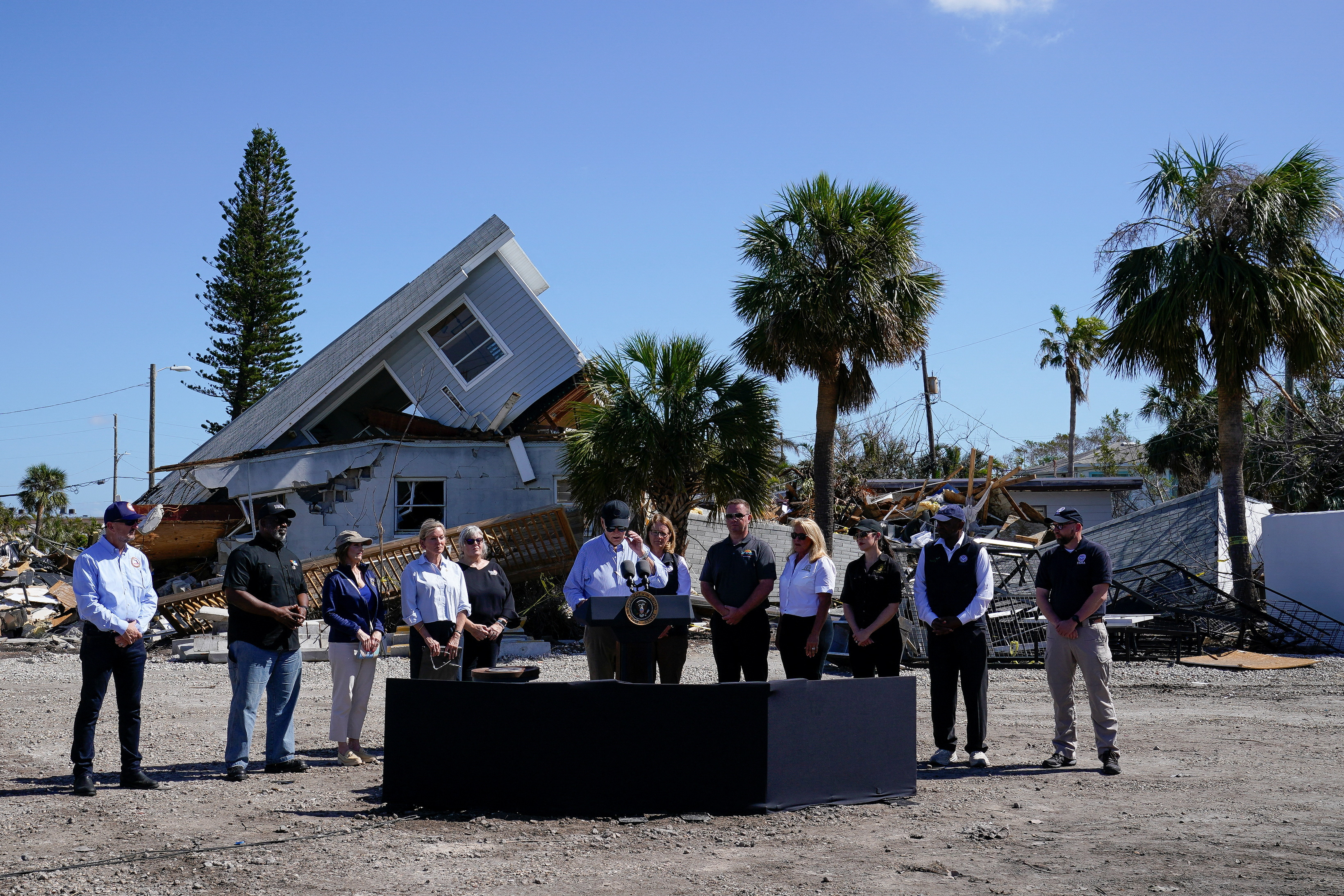
Storm season in Palm Bay brings more than just heavy rainfall and gusty winds—it can also trigger hidden water intrusion, moisture accumulation, and structural vulnerabilities in homes. For homeowners, landlords, and property managers, these challenges often remain invisible to the naked eye, creating risks for mold growth, wood rot, and compromised insulation.
Thermal imaging inspections, also known as infrared inspections, are a crucial tool for identifying these hidden threats. By detecting temperature differences caused by moisture, thermal imaging helps professionals locate water intrusion, assess structural health, and guide remediation efforts.
In this article, we explore how thermal imaging inspections protect Palm Bay properties during storm season, including detailed explanations, step-by-step procedures, and practical guidance for property owners.
Why Palm Bay Homes Are Particularly Vulnerable During Storm Season
Palm Bay’s unique combination of coastal proximity, high humidity, and frequent heavy rain events makes its homes especially susceptible to hidden water damage.
1. Coastal Humidity and Salt Exposure
- Proximity to the Atlantic Ocean results in high ambient humidity year-round, often exceeding 70%.
- Salt air can accelerate material corrosion, particularly in roof structures, HVAC components, and metal fasteners.
2. Stormwater Intrusion
- Heavy storms, hurricanes, and tropical depressions frequently cause roof leaks, window leaks, and subfloor seepage.
- Water can migrate far from the point of entry, collecting in attics, crawl spaces, and behind walls.
3. Aging Infrastructure
- Older Palm Bay homes may have outdated roofing, porous materials, or compromised vapor barriers, making them more prone to hidden moisture retention.
- Even minor leaks can persist, gradually weakening wood framing and insulation.
4. HVAC Condensation and Ventilation Challenges
- AC systems in Florida homes produce condensation, which can drip into wall cavities or attics if ducts are poorly insulated.
- Poor ventilation exacerbates moisture accumulation, particularly in attics and enclosed crawl spaces.
What Thermal Imaging Inspections Reveal
Thermal imaging technology allows inspectors to see beyond what the eye can detect. Moisture changes the way surfaces absorb and emit heat, creating temperature anomalies that a thermal camera can detect.
- Hidden leaks: Detect water seeping behind walls or ceilings.
- Roofing issues: Identify wet insulation or underlayment.
- Flooring and subfloor problems: Locate moisture beneath hardwood or tile floors.
- HVAC leaks: Reveal condensation or water accumulation in ducts.
By mapping these problem areas, property owners can address issues before mold growth or structural damage becomes severe.
Step-by-Step Thermal Imaging Inspection Process
Step 1: Preliminary Visual Inspection
- Technicians inspect the property for visible water stains, sagging ceilings, or warped floors.
- Musty odors are noted as potential indicators of hidden moisture.
Step 2: Equipment Setup
- High-resolution thermal cameras are calibrated to the home’s environmental conditions.
- Inspectors account for ambient temperature, humidity, and storm residual moisture to improve accuracy.
Step 3: Infrared Scanning
- Inspectors scan walls, ceilings, floors, and attic spaces for temperature anomalies.
- Cooler areas often indicate water accumulation, while warmer zones may reveal recent leaks or evaporation spots.
Step 4: Verification
- Moisture meters and hygrometers are used to confirm readings detected by the thermal camera.
- This dual-approach ensures that anomalies are accurately attributed to water intrusion rather than insulation differences or airflow variations.
Step 5: Mapping and Documentation
- Findings are recorded and mapped for remediation planning.
- Thermal images, moisture readings, and affected areas are documented to guide structural dryouts, dehumidification, and mold prevention.
Step 6: Preventive Guidance
- Homeowners are advised on ventilation improvements, roof inspections, and moisture monitoring.
- Thermal imaging helps prioritize areas needing urgent intervention, especially in post-storm scenarios.
Early Signs Property Owners Can Notice
Even before thermal imaging is conducted, homeowners can spot early indicators of hidden moisture:
- Musty odors in rooms, attics, or crawl spaces
- Discoloration or water stains on walls, ceilings, and floors
- Sagging, warped, or buckled flooring
- Visible mold growth in corners, behind baseboards, or on insulation
- Hot or humid rooms despite AC operation
Early detection through visual cues can guide inspectors to focus their thermal scans, making the inspection more efficient and accurate.
Challenges of Thermal Imaging During Storm Season
- High Humidity – Moisture in the air can obscure thermal readings. Inspectors must adjust sensitivity and scan patterns.
- Complex Home Layouts – Multi-level homes with attics and crawl spaces require multiple scanning angles.
- Hidden Water Migration – Stormwater may travel far from visible leaks, demanding careful, systematic scanning.
- Obstructions – Stored items, insulation, or HVAC systems may block airflow and temperature readings.
Despite these challenges, experienced inspectors in Palm Bay can reliably detect hidden water with thermal imaging and complementary tools.
Benefits of Thermal Imaging Inspections During Storm Season
- Early Detection: Identify moisture before it causes mold or structural damage.
- Targeted Remediation: Focus resources where they’re most needed.
- Structural Protection: Safeguard wood framing, subflooring, and roof trusses.
- Mold Prevention: Minimize health risks and air quality issues.
- Cost Efficiency: Reduce unnecessary repair or demolition costs.
- Documentation for Insurance: Thermal images serve as evidence for claims.
Local Expertise Matters
Experts like Inspections and More FL understand Palm Bay’s unique storm patterns, coastal humidity, and common construction vulnerabilities. They provide:
- Accurate thermal imaging inspections
- Integration with moisture meters and hygrometers
- Guidance on structural dryouts, dehumidification, and preventive measures
- Post-storm inspection services tailored to Palm Bay residential and waterfront properties
Professional inspections ensure homeowners act proactively rather than reactively, minimizing damage and long-term repair costs.
