
How Thermal Imaging Inspections Protect Properties in Palm Bay in Crawl Spaces
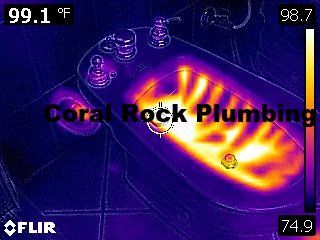
Crawl spaces are often the most overlooked areas in Palm Bay homes, yet they play a critical role in the overall health and stability of a property. With Florida’s high humidity, frequent storms, and coastal moisture, these spaces are particularly vulnerable to water intrusion, mold growth, and structural damage. Traditional inspections may miss hidden moisture, but thermal imaging inspections provide a powerful tool for detecting unseen problems early, preventing costly repairs, and safeguarding indoor air quality.
This article explores why thermal imaging is essential for crawl space inspections, how it works, challenges unique to Palm Bay, and the benefits it offers homeowners, landlords, and property managers.
Why Crawl Spaces Are Vulnerable in Palm Bay
1. High Coastal Humidity
- Palm Bay’s coastal environment creates persistently high humidity levels, which can accumulate in enclosed crawl spaces.
- Moisture trapped in crawl spaces often goes unnoticed, leading to wood rot, mold growth, and musty odors.
2. Storm Water Intrusion
- Heavy rainstorms and hurricanes frequently lead to water infiltration under homes, particularly those with slab or pier-and-beam foundations.
- Water entering through grading issues, poorly sealed vents, or foundation cracks can remain hidden beneath flooring for weeks.
3. Plumbing Leaks
- Leaking pipes in crawl spaces contribute to moisture accumulation.
- Slow leaks are particularly dangerous because water can spread across insulation and joists, creating ideal conditions for mold growth.
4. Poor Ventilation
- Many crawl spaces have limited airflow, which prevents natural drying of moisture.
- Humidity can remain trapped, gradually weakening structural elements and increasing the risk of microbial growth.
How Thermal Imaging Works in Crawl Spaces
Thermal imaging, also called infrared (IR) scanning, detects temperature differences in surfaces. Moist areas typically appear cooler than surrounding dry materials, allowing inspectors to identify hidden moisture even without visible signs.
Tools and Technology
- Infrared Cameras – Capture temperature variations across wood, insulation, and flooring.
- Moisture Meters (Secondary Verification) – Confirm elevated moisture levels identified by thermal scans.
- Hygrometers – Measure relative humidity in crawl space air, identifying areas prone to condensation.
By combining thermal imaging with traditional moisture detection tools, professionals can map problem areas, identify the source of water intrusion, and provide precise remediation guidance.
Step-by-Step Thermal Imaging Crawl Space Inspection
Step 1: Visual Assessment
- Inspect crawl space for obvious leaks, mold growth, standing water, or insulation damage.
- Note areas that appear damp or discolored.
Step 2: Thermal Imaging Scan
- Infrared cameras detect temperature anomalies that suggest moisture accumulation.
- Scans cover the entire crawl space, including hard-to-reach corners and under flooring.
Step 3: Moisture Verification
- Pin-type or pinless moisture meters are used to confirm elevated moisture content in wood, insulation, and flooring.
- Ensures that the detected temperature differences correspond to actual water presence.
Step 4: Humidity Assessment
- Hygrometer readings identify high relative humidity areas, highlighting zones at risk of condensation or mold growth.
Step 5: Documentation
- Thermal images, moisture readings, and problem areas are documented for remediation planning.
- Provides property owners with a clear, actionable report.
Common Challenges in Thermal Imaging Crawl Space Inspections
1. Limited Access and Low Clearance
- Crawl spaces often have narrow passages, low ceilings, and obstructed joists, making it difficult to maneuver thermal cameras.
- Professional equipment and expertise are required for thorough coverage.
2. Ambient Temperature Variations
- Thermal imaging can be affected by sunlight, HVAC airflow, or recent rainfall, potentially masking or exaggerating moisture indicators.
- Inspectors must interpret images in context with environmental conditions.
3. Surface vs. Hidden Moisture
- Thermal cameras detect surface temperature differences, but some moisture may reside deeper in structural materials.
- Secondary verification using moisture meters ensures accurate identification.
4. Humidity Interference
- Palm Bay’s coastal humidity can reduce the temperature contrast between wet and dry areas, requiring careful scanning and experience to interpret results.
Benefits of Thermal Imaging in Crawl Spaces
- Early Detection of Hidden Moisture
- Identifies water intrusion before visible damage appears, protecting joists, subflooring, and insulation.
- Prevents Mold Growth
- Moisture is a primary driver of mold; early detection allows targeted remediation before colonies form.
- Protects Structural Integrity
- Prevents wood rot, sagging flooring, and weakened supports caused by prolonged moisture exposure.
- Improves Indoor Air Quality
- By addressing moisture early, thermal imaging helps prevent musty odors and allergens from entering living spaces.
- Cost-Effective Remediation
- Precise detection reduces unnecessary removal of unaffected materials and focuses efforts where they are most needed.
- Documentation for Insurance and Maintenance
- Thermal images provide clear evidence of moisture intrusion, useful for claims or preventive maintenance planning.
Step-by-Step Protection Strategy After Detection
- Water Source Identification – Determine whether leaks are from plumbing, grading, roof runoff, or condensation.
- Containment and Drying – Use air movers, dehumidifiers, and fans to dry affected areas.
- Mold Remediation – Remove mold-contaminated insulation, wood, or debris.
- Encapsulation and Vapor Barriers – Seal crawl spaces to prevent future moisture infiltration.
- Preventive Monitoring – Schedule routine inspections and use thermal imaging annually to catch hidden issues early.
Why Local Expertise Matters
- Professionals like Inspections and More FL understand Palm Bay’s coastal weather, storm patterns, and humidity challenges.
- They know how to interpret thermal imaging data accurately in Florida’s unique environment.
- Their guidance includes preventive strategies, ventilation improvements, and moisture control solutions specific to local crawl space conditions.
Local expertise ensures inspections are thorough, accurate, and actionable, protecting both property value and occupant health.
Long-Term Preventive Measures
- Maintain Proper Drainage Around Home – Ensure gutters and grading direct water away from foundations.
- Install Dehumidifiers in Crawl Spaces – Reduce persistent humidity levels.
- Regular Thermal Imaging Scans – Detect hidden water before structural damage occurs.
- Inspect Plumbing and AC Lines – Identify leaks before they cause long-term moisture issues.
- Seal Crawl Space Vents and Apply Vapor Barriers – Limit moisture penetration from soil or outside air.
Conclusion
Crawl spaces in Palm Bay homes are critical yet vulnerable areas prone to hidden moisture due to storms, coastal humidity, and aging construction. Thermal imaging inspections provide an efficient, non-invasive method to detect water intrusion early, safeguard structural integrity, and prevent mold growth.
By combining infrared scanning, moisture verification, humidity assessment, and professional expertise, homeowners and property managers can protect their investment, maintain indoor air quality, and reduce long-term repair costs.
In Florida’s challenging coastal environment, thermal imaging inspections are not just a convenience—they are a necessary preventative measure for long-term property protection.
