How Thermal Imaging Inspections Protect Properties in Sanford Behind Interior Walls
In Sanford, moisture rarely stays where it starts.
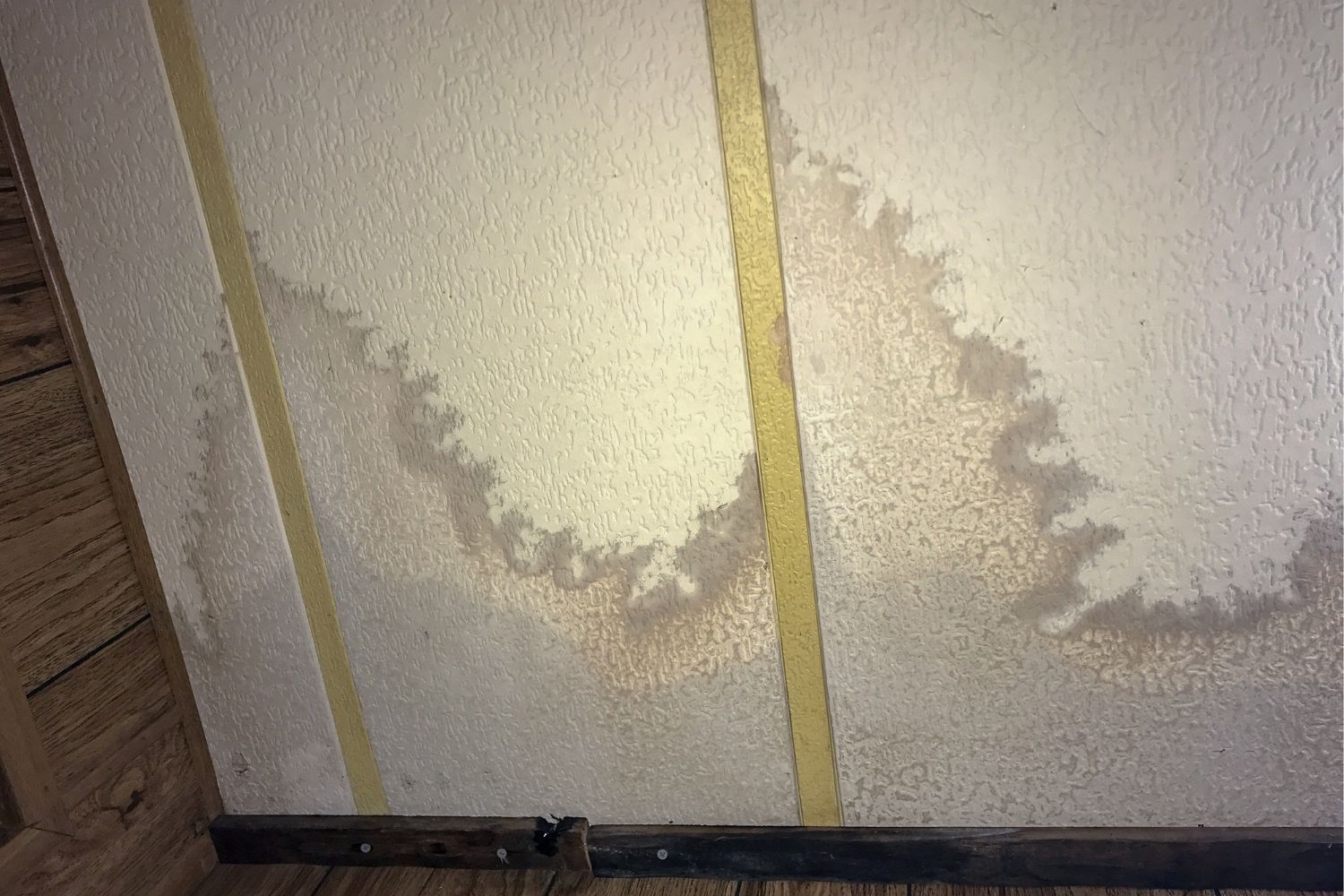
Between heavy summer storms, high humidity, and fluctuating groundwater levels near Lake Monroe, water intrusion often travels quietly behind interior walls. By the time staining or bubbling paint appears, the damage has usually been developing for weeks — sometimes months.
Thermal imaging inspections help property owners identify hidden moisture before it becomes visible structural damage. In a climate like Sanford’s, early detection is one of the most effective ways to protect homes and commercial properties alike.
What the Issue Really Is
Interior walls conceal plumbing lines, insulation, framing, ductwork, and electrical systems. When moisture enters those cavities, it spreads without immediate surface signs.
Common sources include:
- Slow plumbing leaks
- Roof seepage traveling down wall cavities
- Window seal failures during wind-driven rain
- HVAC condensation
- Slab vapor intrusion
Because drywall hides these areas, moisture remains trapped. Over time, that hidden dampness weakens framing, degrades insulation, and encourages mold growth.
Thermal imaging inspections detect temperature differences caused by moisture before visible damage appears.
Why This Happens So Often in Sanford
Sanford properties face unique environmental pressures.
Persistent Humidity
Even when it’s not raining, the air holds moisture that can infiltrate older building materials.
Storm Exposure
Afternoon downpours and seasonal hurricanes introduce sudden water entry points.
Proximity to Water
Homes near Lake Monroe and surrounding wetlands experience elevated groundwater levels.
Aging Construction
Older Sanford homes often lack modern moisture barriers and advanced insulation systems.
HVAC Strain
Constant AC usage creates condensation that may collect inside wall cavities if drain lines or insulation fail.
These combined conditions make hidden wall moisture a common issue.
Common Signs Property Owners Notice
Before requesting an inspection, many homeowners report subtle changes:
- Musty odors without visible growth
- Paint bubbling or peeling
- Small drywall discoloration spots
- Warped baseboards
- Increased indoor humidity
- Uneven cooling in certain rooms
These signs often indicate moisture behind the wall rather than on the surface.
Ignoring them allows the problem to expand deeper into structural materials.
Hidden Moisture Behind Interior Walls
Behind drywall, moisture can:
- Soak insulation
- Saturate wooden framing
- Travel along plumbing lines
- Spread through metal studs
- Enter adjacent rooms
Because walls act like enclosed chambers, drying rarely happens naturally in Sanford’s humid climate.
Thermal imaging allows inspectors to scan entire wall sections without demolition. Instead of guessing, they identify precise areas requiring attention.
Why DIY Detection Usually Fails
Homeowners sometimes attempt to locate leaks by:
- Cutting small holes in drywall
- Using handheld surface moisture meters
- Waiting for visible staining
- Painting over minor discoloration
These approaches rarely locate the full extent of moisture migration.
Surface meters only measure what they can touch. They do not map spread patterns.
Cutting random openings can disturb contamination and increase repair costs.
Thermal imaging eliminates unnecessary damage by guiding targeted investigation.
How Professional Thermal Imaging Inspections Work
A professional inspection in Sanford includes multiple steps.
Visual Assessment
Exterior walls, roofing, plumbing, and HVAC systems are evaluated first.
Infrared Scanning
High-resolution thermal cameras scan interior wall surfaces to identify temperature variations linked to moisture.
Moisture Verification
Detected anomalies are confirmed with calibrated moisture meters.
Source Identification
Inspectors trace the moisture pathway to determine origin.
Documentation
Clear mapping outlines exactly where corrective action is required.
At Inspections and More FL, thermal imaging is part of a comprehensive moisture evaluation process designed for Florida’s climate.
How Early Detection Protects Properties
Thermal imaging inspections protect Sanford properties in several ways.
Prevent Structural Damage
Wet framing weakens over time. Early drying preserves structural integrity.
Avoid Widespread Mold Remediation
Catching moisture before mold spreads limits contamination.
Reduce Repair Costs
Targeted repairs cost far less than full wall reconstruction.
Protect Indoor Air Quality
Hidden moisture often contributes to air circulation issues.
Preserve Energy Efficiency
Wet insulation loses effectiveness, increasing HVAC strain.
Addressing moisture early keeps repairs manageable.
What Happens If Hidden Moisture Is Ignored
When wall cavity moisture remains untreated:
- Mold growth expands
- Insulation deteriorates
- Framing may weaken
- Electrical systems can be affected
- Adjacent rooms may become involved
Sanford’s humidity prevents natural drying. Small leaks rarely stay small.
The longer moisture remains, the more extensive remediation becomes.
Proper Correction After Detection
Once thermal imaging identifies hidden moisture, correction typically includes:
- Opening only affected wall sections
- Containment to prevent cross-contamination
- Structural dryouts using air movers and dehumidification
- Air scrubbing when necessary
- Mold remediation if growth is present
- Mold encapsulation when appropriate
- Repairing plumbing, roofing, or window failures
- Restoring insulation and drywall
This focused approach avoids unnecessary demolition.
Preventing Future Hidden Wall Moisture
Property owners in Sanford can reduce risk by:
- Inspecting roofs annually
- Monitoring indoor humidity levels
- Maintaining HVAC drain lines
- Sealing exterior penetrations
- Conducting post-storm evaluations
- Scheduling periodic moisture inspections
Preventative thermal imaging evaluations are especially helpful for older homes and waterfront properties.
Why Local Experience Matters
Moisture behaves differently in Florida than in drier climates.
Sanford’s proximity to water, high humidity, and storm patterns require region-specific understanding.
Professionals familiar with local construction styles recognize common vulnerability points quickly.
Inspections and More FL evaluates hidden moisture with knowledge of Sanford’s environmental patterns, ensuring detection is accurate and solutions are appropriate for the area.
A Practical Way to Protect Your Property
Thermal imaging inspections protect properties in Sanford by revealing what cannot be seen.
Behind interior walls, moisture can quietly compromise structure and air quality.
Early detection allows targeted correction, controlled drying, and prevention of escalating repair costs.
In a humid Florida climate, proactive inspection is one of the most effective ways to maintain long-term property stability.