
In Coastal Properties in Cocoa: A Closer Look at Air Scrubbing
Owning a coastal property in Cocoa comes with incredible views, ocean breezes, and that relaxed Florida lifestyle people move here for. But along with the benefits of coastal living comes a constant environmental factor many homeowners underestimate — moisture in the air.
In Cocoa’s coastal environment, humidity isn’t just high during summer storms. It’s persistent. It lingers. It settles into building materials. And when moisture combines with indoor spaces, airborne contamination can quietly build up.
That’s where air scrubbing becomes an essential part of maintaining a healthy indoor environment.
Let’s take a closer look at why air scrubbing is often necessary in coastal Cocoa properties and how it plays a role in protecting your home.
What the Issue Is
Air scrubbing is a professional process that removes airborne contaminants from indoor air using high-efficiency HEPA filtration systems. These systems capture extremely small particles that standard HVAC filters cannot effectively remove.
In coastal properties, airborne contaminants may include:
- Mold spores
- Fine dust and debris
- Microscopic particles from water intrusion
- Odor-causing airborne particles
- Residual particles after remediation work
Air scrubbers continuously pull air through multi-stage filtration systems, trapping contaminants and releasing clean, filtered air back into the space.
Unlike portable household air purifiers, professional air scrubbers are designed for high-volume filtration in active moisture or remediation environments.
Why This Happens So Often in Coastal Cocoa
Cocoa’s location along Florida’s east coast creates a unique indoor air quality challenge.
Persistent Coastal Humidity
Humidity levels in coastal areas remain elevated much of the year. Even when skies are clear, moisture content in the air stays high. This allows microscopic particles to remain suspended longer and increases the likelihood of indoor air contamination when moisture issues occur.
Salt Air Exposure
Salt-laden coastal air can affect building materials over time. Corrosion, small cracks, and material breakdown create entry points for moisture intrusion. When moisture enters, airborne particles often follow.
Storm and Wind-Driven Rain
Heavy rain combined with strong winds pushes moisture into areas around windows, sliding doors, and exterior walls. Even minor water intrusion can elevate indoor airborne particle levels.
AC Systems Running Constantly
In Cocoa’s climate, air conditioning systems rarely get a break. When ducts sweat or drain lines clog, moisture builds up. If microbial growth begins inside ductwork or wall cavities, spores can circulate throughout the property.
Slab Foundations and Limited Ventilation
Many Cocoa homes are built on slab foundations. Without underfloor airflow, moisture remains closer to living spaces. That increases the need for proper air management inside the home.
Air scrubbing becomes necessary when airborne contamination spreads beyond a localized area.
Common Signs Property Owners Notice
Coastal homeowners often first notice subtle changes rather than obvious damage.
You might experience:
- A lingering musty odor
- Indoor air that feels heavy or stale
- Increased dust accumulation
- Minor irritation that improves when you leave the house
- Odors that return even after cleaning
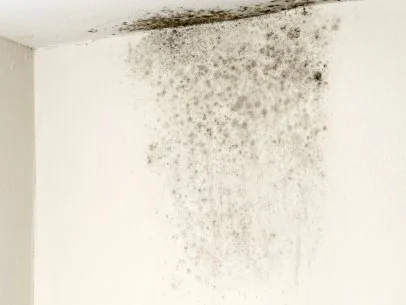
Sometimes visible mold growth appears on lower walls, near windows, or around AC vents. But even without visible growth, airborne particles may still be present.
Air scrubbing addresses the contamination in the air itself — not just on surfaces.
Hidden or Overlooked Sources
In Cocoa’s coastal properties, contamination often starts in concealed areas.
Behind Drywall
Moisture intrusion along exterior walls can lead to microbial growth inside cavities. Spores escape through small cracks and outlets.
Under Flooring
Trapped moisture beneath laminate or engineered wood flooring can produce airborne particles whenever doors close or air pressure shifts.
HVAC Systems
Duct systems can distribute particles from one room to another if contamination begins inside the system.
After Minor Water Events
Even small leaks or brief flooding events can elevate airborne particle levels if not fully dried and filtered.
Air scrubbing is especially important during and after remediation to ensure indoor air quality stabilizes.
Why DIY Attempts Usually Fail
Many homeowners try to improve air quality with household purifiers or scented products.
Unfortunately, these approaches rarely solve the problem.
Standard Filters Aren’t Powerful Enough
Household units typically lack the filtration capacity required to remove high concentrations of microscopic spores.
Surface Cleaning Doesn’t Address Airborne Spread
Wiping visible surfaces does nothing to remove particles already circulating in the air.
Odor Masking Isn’t Air Cleaning
Sprays and candles may hide smells temporarily, but they don’t eliminate airborne contaminants.
No Containment
Professional air scrubbing often works alongside containment barriers. DIY efforts don’t control particle movement during cleaning or repairs.
In coastal environments, air management requires equipment designed for serious filtration.
Professional Inspection & Detection Explained
Before recommending air scrubbing, professionals evaluate the property carefully.
In Cocoa coastal homes, this includes:
Visual Assessment
Inspecting common moisture entry points, lower walls, and AC systems.
Moisture Detection
Using meters to identify damp materials that may be contributing to airborne contamination.
Thermal Imaging
Locating hidden moisture patterns behind walls or under flooring.
Air Quality Evaluation
Assessing whether airborne particles require active filtration support.
Companies like Inspections and More FL approach coastal properties with an understanding of Florida’s humidity baseline. Interpreting indoor air conditions accurately requires local experience.
Proper Air Scrubbing & Remediation Process
When air scrubbing is necessary, it becomes part of a coordinated plan.
Containment Setup
Affected areas may be isolated to prevent cross-contamination.
HEPA Air Scrubber Installation
Units are positioned strategically to maximize air turnover within the space.
Continuous Filtration
Air scrubbers run continuously to capture airborne particles during remediation or drying.
Dehumidification Support
Lowering humidity reduces the chance of ongoing airborne contamination.
Structural Dryouts if Needed
If moisture remains in materials, drying equipment works alongside air scrubbers.
Final Air Stabilization
Once moisture sources are corrected, filtration continues until indoor air quality returns to normal levels.
Air scrubbing is not a standalone fix. It works together with moisture control and remediation to restore balance.
How to Prevent Air Quality Issues in Coastal Cocoa Homes
Prevention requires consistency in Florida’s climate.
- Keep indoor humidity controlled year-round
- Service HVAC systems regularly
- Inspect sliding doors and windows for seal integrity
- Schedule post-storm evaluations
- Address minor leaks immediately
- Monitor indoor air conditions with reliable humidity tracking
Coastal properties need proactive care, not reactive fixes.
Why Local Florida Experience Matters
Air quality management in Cocoa differs from inland environments. Coastal humidity, salt exposure, and storm cycles influence how airborne particles behave indoors.
Local professionals understand:
- How moisture migrates in slab foundations
- How storm-driven rain affects exterior walls
- How AC systems interact with high humidity
- How to position air scrubbers for maximum effectiveness
Inspections and More FL works within these Florida-specific conditions daily, bringing practical experience to each evaluation.
A Steady, Practical Next Step
If your coastal Cocoa property feels musty, stale, or noticeably different indoors, air scrubbing may be part of the solution. The key is identifying the source and addressing airborne contamination properly.
Clean air is not just about comfort — it’s about stabilizing the environment inside your home.
In Florida’s coastal climate, managing what’s in the air is just as important as managing what’s behind the walls.
