
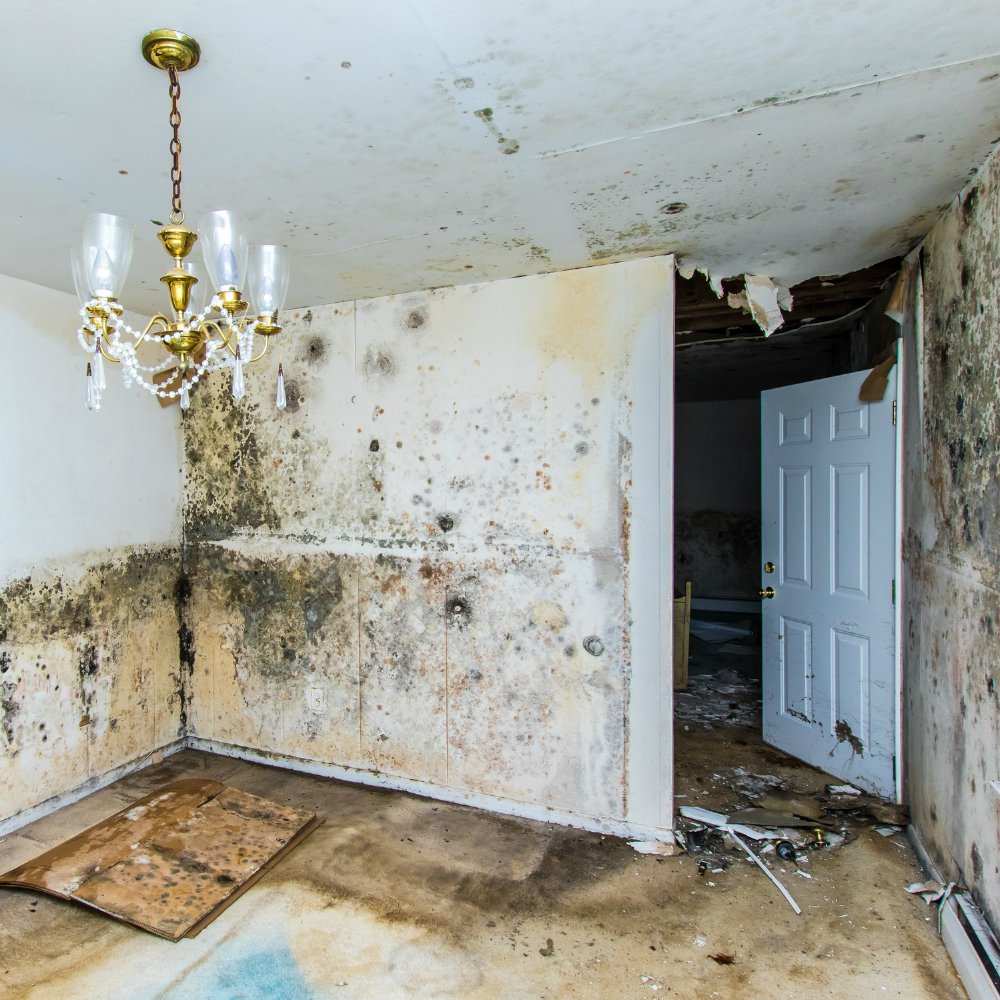
In Older Florida Homes in Melbourne: A Closer Look at Mold Remediation
Older homes in Melbourne have character you just don’t get in newer builds.
Established neighborhoods near Eau Gallie, tree-lined streets in West Melbourne, and properties tucked closer to the Indian River Lagoon often feature construction styles from the 1960s, 70s, and 80s. Solid block walls. Original hardwood. Vintage crawl spaces.
But those same homes were built long before modern moisture control standards became common.
In Florida’s coastal climate, that matters.
When mold develops in older Melbourne homes, remediation requires more than surface cleaning. It requires understanding how moisture has moved through the structure — sometimes for decades.
Why Older Homes in Melbourne Are More Prone to Mold
Melbourne’s climate brings:
• Year-round humidity
• Frequent summer thunderstorms
• Occasional tropical systems
• Salt-laden coastal air
• High water tables after heavy rain
Older homes often lack:
• Modern vapor barriers
• Updated attic ventilation
• Sealed duct systems
• Moisture-resistant building materials
• Contemporary flashing systems
Over time, minor roof leaks, AC condensation, plumbing drips, and crawl space humidity quietly accumulate.
Because these homes have experienced repeated humidity cycles for years, mold growth often develops in hidden structural areas rather than obvious surface patches.
The Crawl Space Factor
Many older Melbourne homes were built with vented crawl spaces.
At the time, passive ventilation was considered adequate. But in Florida, outside air is often more humid than the crawl space air.
During summer, that means warm, moist air enters through vents and condenses on cooler framing.
Over time, this can lead to:
• Surface mold on joists
• Damp insulation
• Musty odors rising into living spaces
• Elevated subfloor moisture
Remediation in crawl spaces often requires:
• Moisture testing
• Removal of contaminated insulation
• Structural cleaning
• Controlled drying
• Vapor barrier installation
Simply spraying visible areas rarely solves the problem.
Moisture control is central to success.
Attic Spaces and Aging Roof Systems
Attics in older homes often tell the story of past storms.
Small roof leaks may have occurred repeatedly over decades. Even if shingles were replaced, previous moisture exposure may have left lingering issues.
In Melbourne’s humid climate, attic framing may show:
• Surface mold staining
• Damp insulation
• Elevated wood moisture content
• Rusted fasteners
Mold remediation in attic spaces often includes removing compromised insulation, cleaning framing, and correcting ventilation deficiencies.
If ventilation remains inadequate, mold can return even after cleaning.
Slab Foundations and Hidden Moisture
Many older Florida homes in Melbourne sit on slab foundations.
Over time, vapor barriers beneath slabs may deteriorate. When heavy rain raises the water table, moisture can migrate upward through concrete.
Homeowners may notice:
• Musty smells near baseboards
• Warped laminate or hardwood
• Darkened grout lines
• Slight floor buckling
Mold remediation tied to slab moisture often requires both drying and correction of vapor transmission.
Replacing flooring without moisture testing leads to recurring damage.
Plumbing and AC-Related Mold
Aging plumbing systems in older homes sometimes develop slow leaks inside walls.
AC systems may also contribute, especially when:
• Condensate drain lines clog
• Air handlers sweat excessively
• Duct insulation degrades
Because HVAC systems circulate air throughout the home, mold growth near ducts can affect indoor air quality quickly.
Remediation must address both contamination and moisture sources.
Companies like Inspections and More FL often evaluate duct systems during mold remediation projects in older Melbourne homes to ensure contamination hasn’t spread.
Why Surface Cleaning Isn’t Enough
One of the biggest misconceptions in older homes is that visible mold can simply be wiped away.
In reality:
• Drywall may need removal
• Insulation often requires replacement
• Wood framing may need detailed cleaning
• Moisture content must be verified
Painting over mold staining traps moisture.
Bleach does not penetrate porous materials effectively.
Without identifying how moisture entered and how far it traveled, mold remediation remains incomplete.
The Importance of Proper Containment
Older homes often have interconnected spaces — open attic designs, shared wall cavities, and aging duct systems.
During remediation, containment becomes critical.
Without it:
• Spores may spread into unaffected areas
• HVAC systems can circulate contaminants
• Adjacent rooms may become involved
Professional containment prevents cross-contamination and protects indoor air quality during removal.
Structural Drying Is Non-Negotiable
Before rebuilding begins, structural drying must confirm materials are at safe moisture levels.
In Melbourne’s humid climate, this typically requires:
• Commercial dehumidifiers
• Air movers
• Daily moisture monitoring
• Humidity stabilization
Stopping drying too early allows moisture to remain inside framing.
That leads to recurring growth weeks or months later.
Proper verification protects long-term results.
Preventing Mold Recurrence in Older Homes
Once remediation is complete, prevention becomes the focus.
Older Melbourne homeowners can reduce future mold risk by:
• Monitoring indoor humidity year-round
• Installing crawl space vapor barriers
• Improving attic ventilation
• Servicing HVAC systems annually
• Inspecting roofs before storm season
• Addressing small leaks immediately
Humidity control is ongoing in coastal Florida.
Maintenance prevents repeat remediation.
Why Local Experience Matters
Mold behavior in older Melbourne homes differs from inland cities like Sanford or waterfront properties in Merritt Island.
Understanding:
• Historic building materials
• Common crawl space configurations
• Attic ventilation patterns
• Seasonal humidity cycles
• Salt air impact on structural components
allows professionals to tailor remediation properly.
Local experience ensures that both contamination and moisture sources are addressed.
Over-removal wastes resources.
Under-removal creates recurrence.
Balanced assessment protects the property.
A Practical and Informed Next Step
If you own an older home in Melbourne and notice musty odors, staining, or elevated humidity, don’t assume it’s just “old house” behavior.
Mold remediation in older Florida homes requires careful inspection, moisture detection, containment, and drying.
When handled correctly, even decades-old structures can remain solid and healthy.
Florida humidity isn’t going away.
But with proper remediation and moisture management, mold doesn’t have to be a recurring part of the story.
