
In Waterfront Homes in Merritt Island: A Closer Look at Mold Removal
Living on the water in Merritt Island comes with incredible views, steady coastal breezes, and year-round humidity.
That last part is the one homeowners don’t always plan for.
Waterfront properties near the Indian River Lagoon, Sykes Creek, or canal-front neighborhoods deal with constant moisture pressure. Even when there’s no visible flooding, elevated humidity, wind-driven rain, and fluctuating groundwater create ideal conditions for mold growth.
When contamination develops, mold removal isn’t just about cleaning what you see.
It’s about protecting the structure from the inside out.
Why Waterfront Homes Face Higher Mold Risk
Water proximity changes how moisture behaves around a home.
In Merritt Island waterfront properties, homes experience:
• Higher ambient humidity
• Salt-laden air exposure
• Elevated groundwater levels
• Frequent afternoon storms
• Strong coastal wind patterns
These factors combine to keep building materials slightly more moisture-exposed than inland properties.
Over time, even small leaks or condensation issues can lead to mold growth in:
• Attics
• Crawl spaces
• Wall cavities
• Beneath flooring
• Around windows and doors
The moisture doesn’t always come from dramatic storm damage.
Often, it’s gradual.
Common Sources of Mold in Waterfront Properties
In Merritt Island waterfront homes, inspections frequently trace mold issues back to:
Roof and Attic Intrusion
Wind-driven rain can enter through small roof penetrations or flashing gaps.
Once inside, moisture spreads across roof decking and trusses.
Warm attic temperatures accelerate microbial growth.
Crawl Space Humidity
Elevated homes near the water often have crawl spaces.
Saturated soil and rising groundwater increase humidity beneath the structure.
Framing absorbs that moisture if ventilation or vapor barriers are inadequate.
Slab Vapor Transmission
In slab-built waterfront homes, groundwater pressure can push moisture vapor upward through concrete.
If flooring traps it, mold may develop beneath the surface.
HVAC Condensation
Coastal humidity causes ducts to sweat, especially in attic spaces.
Condensation dripping onto insulation creates damp conditions overhead.
Each source requires different corrective steps before mold removal begins.
Early Signs Waterfront Homeowners Notice
Because moisture is constant near water, warning signs can be subtle.
Homeowners may observe:
• Musty odors
• Slight discoloration on ceilings
• Cupping hardwood floors
• Peeling paint near baseboards
• Increased indoor humidity
• Allergy-like irritation indoors
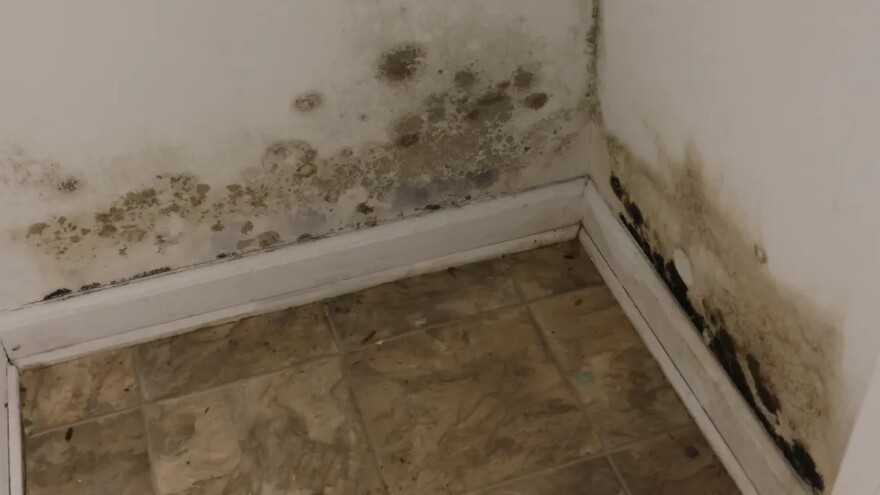
Waiting for obvious black staining often means contamination has already spread.
Early inspection limits removal scope.
What Mold Removal Actually Involves
Mold removal in waterfront properties follows a structured process.
It typically includes:
• Moisture detection and mapping
• Identifying and correcting the source
• Establishing containment
• Removing contaminated materials
• HEPA air filtration
• Surface cleaning of exposed framing
• Structural drying
• Post-remediation verification
Simply spraying affected areas is not sufficient.
If moisture isn’t corrected, mold returns.
Companies like Inspections and More FL focus on source correction first, then controlled removal.
That sequencing protects the structure long-term.
The Role of Containment
Waterfront homes often have open floor plans.
During removal, containment barriers prevent airborne particles from spreading into unaffected rooms.
Air scrubbers filter particles during demolition and cleaning.
This protects indoor air quality while work is underway.
Containment reduces disruption to the rest of the home.
Why Timing Matters in Coastal Florida
Merritt Island’s warm temperatures allow mold to develop quickly on damp materials.
If moisture remains for more than 24 to 48 hours:
• Colonies expand
• Odors intensify
• Insulation may need replacement
• Structural drying becomes more extensive
Quick response limits contamination to localized areas.
Delays increase the scope of material removal.
Structural Drying After Removal
Waterfront homes often require extended drying due to high outdoor humidity.
Air movers alone are not enough.
Dehumidification is necessary to:
• Reduce indoor relative humidity
• Encourage evaporation from framing
• Stabilize slab moisture levels
• Prevent recurrence
Drying continues until moisture readings confirm safe levels.
Verification prevents repeat contamination.
Long-Term Prevention for Waterfront Homes
Living near water requires proactive maintenance.
Homeowners can reduce future mold risk by:
• Inspecting roofs before storm season
• Monitoring attic humidity
• Maintaining crawl space vapor barriers
• Servicing HVAC systems regularly
• Checking for slab moisture before flooring replacement
• Scheduling post-storm moisture evaluations
Moisture control is ongoing in coastal environments.
Prevention reduces emergency remediation needs.
Why Local Experience Matters in Merritt Island
Mold behavior in waterfront Merritt Island homes differs from inland Sanford or even nearby Palm Bay.
Coastal wind direction, salt exposure, and fluctuating groundwater levels influence how moisture migrates.
Professionals familiar with:
• Local roofing systems
• Typical elevated foundation designs
• Slab construction patterns
• Seasonal storm intensity
can diagnose hidden moisture paths quickly.
Localized expertise ensures mold removal addresses both contamination and environmental factors unique to the island.
A Practical Next Step
If your waterfront home in Merritt Island shows signs of moisture or mold growth, scheduling a professional evaluation is a practical step.
Mold removal protects framing, insulation, and indoor air quality — but only when paired with moisture correction.
In Florida’s coastal climate, humidity is constant.
Left unmanaged, it quietly affects structural materials over time.
Handled early and thoroughly, mold removal stabilizes the structure and protects your investment — so you can enjoy the waterfront lifestyle without hidden moisture concerns.
