
Inside Attic Spaces in Cocoa: A Closer Look at Air Blower Installation
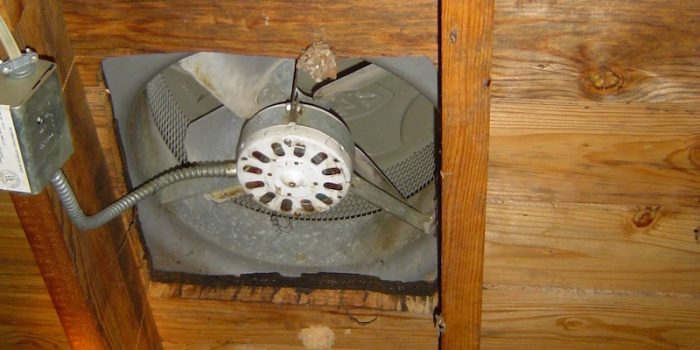
Attics in Cocoa take a beating.
Between coastal humidity, heavy summer rainstorms, hurricane season, and year-round heat, attic spaces in Brevard County experience constant environmental stress. Most homeowners don’t spend much time up there — and that’s exactly why moisture and airflow problems often go unnoticed.
When humidity builds up inside an attic and airflow becomes stagnant, air blower installation often becomes necessary to protect the structure.
Let’s take a closer look at why attic airflow matters in Cocoa homes, how air blowers help, and what property owners should understand before installation.
Why Cocoa Attics Struggle With Humidity
Cocoa sits near the Indian River and Atlantic coast, which means elevated humidity levels are part of daily life. Even when skies are clear, moisture content in the air remains high.
Inside attic spaces, several factors combine:
- High outdoor humidity entering through vents
- Solar heat warming roof decking
- Warm air rising from living areas
- Limited cross-ventilation
- Occasional wind-driven rain during storms
When that warm, humid air becomes trapped, condensation can form on roof decking, rafters, and even ductwork.
Over time, repeated humidity cycles stress structural materials.
The Hidden Effects of Poor Attic Airflow
When attic air doesn’t move properly, you may not see immediate damage. But subtle signs often develop:
- Damp insulation
- Slight wood discoloration
- Musty odors entering living areas
- Increased indoor humidity
- HVAC systems working harder
In Cocoa’s climate, attic spaces can remain humid long after a storm passes.
Without adequate airflow, moisture lingers — and lingering moisture creates long-term structural concerns.
What Air Blower Installation Actually Does
Air blower installation inside an attic improves controlled airflow.
Unlike passive roof vents, air blowers:
- Actively move air
- Promote consistent cross-ventilation
- Reduce stagnant air pockets
- Help remove trapped humidity
- Support structural drying
These systems are selected based on attic size, ventilation layout, and moisture readings.
Air movement reduces the opportunity for condensation to settle on roof decking and framing.
Why Passive Ventilation Isn’t Always Enough in Cocoa
Many homes rely on ridge vents, soffit vents, or gable vents.
In dry climates, passive ventilation may provide sufficient airflow.
In Cocoa’s humid environment, passive vents often:
- Pull in humid outdoor air
- Fail to create strong circulation
- Allow moisture to sit in dead zones
- Provide inconsistent airflow during calm weather
Air blowers create intentional movement rather than relying on natural wind.
That consistency makes a difference during humid months and storm season.
How Professionals Evaluate the Need for Attic Air Blowers
Installation begins with evaluation, not equipment.
Professionals typically:
- Inspect attic insulation and roof decking
- Measure moisture levels in framing
- Evaluate existing vent placement
- Check for signs of condensation
- Measure attic temperature and humidity
In some Cocoa homes, airflow alone solves the issue. In others, air blowers must be paired with dehumidification or roof repairs.
The goal is to correct the root cause — not simply add equipment.
Storm Season and Attic Humidity
Hurricane season adds another layer of complexity.
Wind-driven rain can enter through vents or flashing, even without visible ceiling stains. Attic insulation may absorb moisture silently.
After storms, humidity remains high for days. If airflow is weak, drying slows significantly.
Air blower installation helps:
- Accelerate post-storm drying
- Reduce condensation cycles
- Stabilize roof decking moisture levels
In Cocoa, where storm activity is common, proactive attic airflow management protects structural materials long-term.
The Role of Air Blowers With HVAC Systems
Many Cocoa homes have ductwork running through attic spaces.
When humidity rises:
- Condensation may form on ducts
- Insulation around ducts can become damp
- Cooling efficiency decreases
Improved attic airflow helps reduce moisture around duct systems, supporting HVAC performance and indoor comfort.
Air blowers can complement HVAC operation by improving environmental balance above the ceiling.
Signs Air Blower Installation May Be Necessary
Cocoa homeowners should consider attic airflow evaluation if they notice:
- Persistent musty odors
- Elevated indoor humidity despite AC use
- Visible staining on roof decking
- Damp attic insulation
- Increased cooling costs
- Repeated minor moisture issues after storms
Attic airflow problems often affect indoor conditions before structural damage becomes visible.
Early correction prevents larger remediation later.
Why DIY Fans Aren’t a Reliable Solution
It may be tempting to place a household fan in the attic.
However:
- Small fans lack sufficient air exchange capacity
- Improper placement creates uneven airflow
- Humid outdoor air may circulate back inside
- No monitoring confirms effectiveness
Professional systems are designed for:
- Correct airflow direction
- Appropriate cubic feet per minute (CFM) capacity
- Integration with existing vent systems
- Safe electrical installation
In Florida’s climate, airflow must be engineered — not improvised.
How Air Blowers Support Structural Protection
When properly installed and monitored, attic air blowers:
- Reduce moisture buildup
- Protect roof decking
- Preserve insulation efficiency
- Lower condensation risk
- Improve long-term attic stability
They do not replace moisture detection or roof repair when needed. But they significantly improve environmental balance inside the attic.
In Cocoa’s humid conditions, that balance matters year-round.
Preventing Future Attic Moisture Issues
Along with airflow improvements, Cocoa homeowners should:
- Inspect roofs after major storms
- Check attic insulation annually
- Ensure soffit vents remain unobstructed
- Monitor indoor humidity (keep below 60%)
- Service HVAC systems regularly
Moisture control is ongoing in coastal Florida.
Attic airflow is one piece of a larger moisture management strategy.
Why Local Experience Matters in Cocoa
Cocoa’s coastal proximity and high humidity create conditions different from inland regions.
Local professionals understand:
- How wind-driven rain affects attic systems
- How humidity cycles shift seasonally
- How slab homes respond to attic imbalance
- How salt air accelerates material wear
Experience across Cocoa, Merritt Island, Palm Bay, and Melbourne allows airflow solutions to be tailored to Florida-specific environmental pressures.
At Inspections and More FL, attic airflow recommendations are based on measured moisture levels and real-world coastal experience.
Protecting Cocoa Homes From the Top Down
Attic spaces may be out of sight, but they play a major role in overall structural health.
Air blower installation inside attic spaces in Cocoa becomes necessary when stagnant humidity creates imbalance. When installed correctly, these systems:
- Improve ventilation
- Reduce moisture buildup
- Protect roof framing
- Support indoor air stability
- Minimize long-term structural stress
In a climate where humidity never fully disappears, controlled attic airflow often becomes part of responsible property maintenance.
If your Cocoa home shows signs of persistent attic humidity or repeated storm-related moisture issues, a professional evaluation can determine whether improved airflow is necessary to protect your property from the top down.
