
Inside Attic Spaces in Cocoa: A Closer Look at Dehumidification
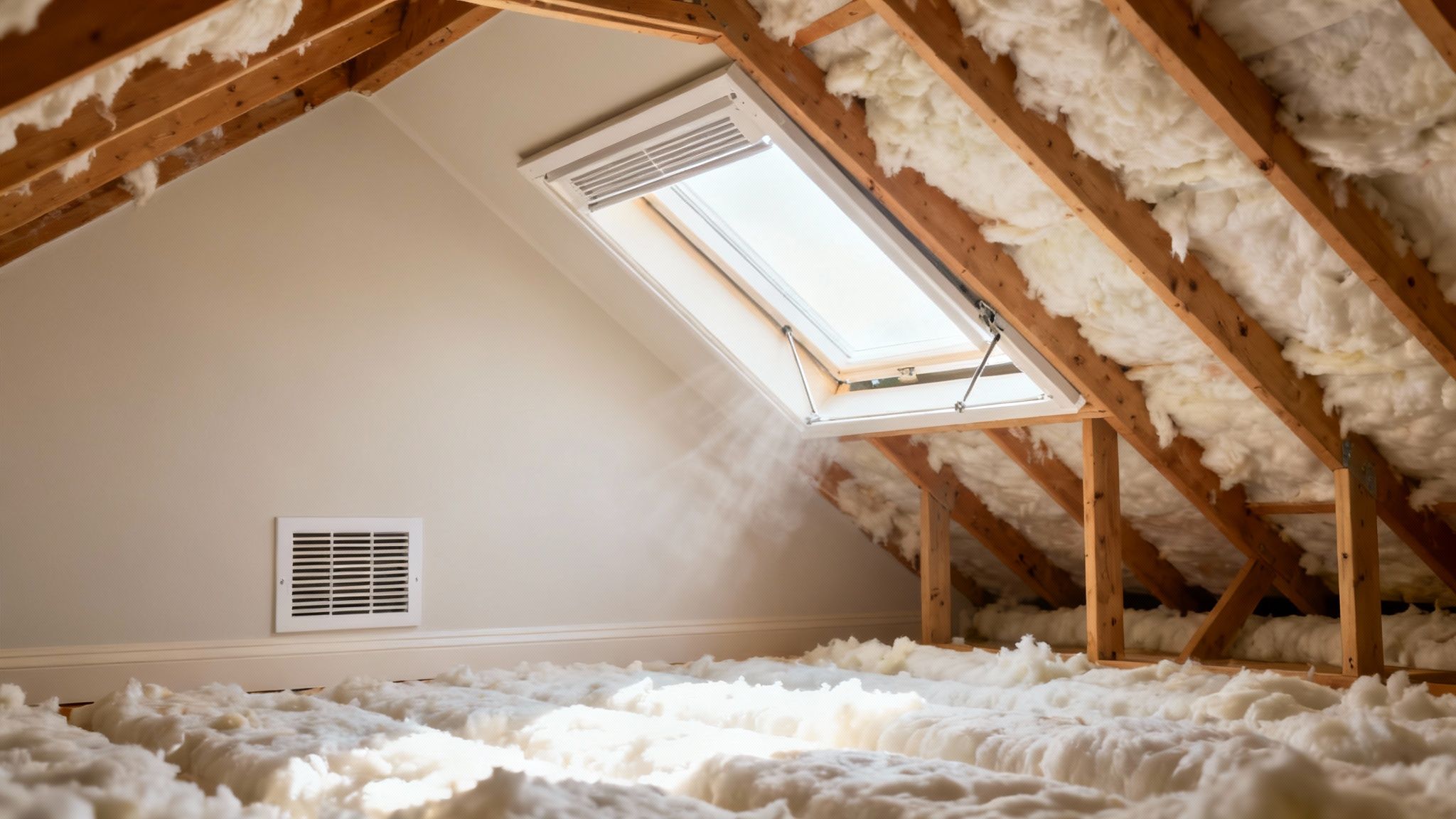
Attic spaces in Cocoa don’t usually get much attention. Most homeowners rarely go up there unless something goes wrong. But in Florida’s coastal climate, especially here in Cocoa, the attic can quietly become one of the most moisture-prone areas of the home.
High humidity, salt-heavy air, intense summer heat, and long AC run times all create the perfect conditions for trapped moisture above your ceiling. When that moisture isn’t properly managed, problems begin — warped wood, insulation damage, musty odors, and eventually mold growth.
Dehumidification inside attic spaces isn’t just an add-on service in this area. It’s often a necessary step in protecting the structural integrity of homes near the water.
What Dehumidification in an Attic Really Means
Dehumidification is the process of actively reducing excess moisture in the air to maintain safe humidity levels. In Cocoa, indoor humidity can easily climb above 70% without proper control. Attics, in particular, can trap warm, moist air that lingers for months.
Professional attic dehumidification involves:
- Measuring moisture levels in air and materials
- Identifying ventilation imbalances
- Installing or adjusting dehumidification systems
- Drying damp structural components
- Preventing recurring condensation
It’s not just about placing a portable unit in the attic. It’s about correcting the moisture environment so that humidity doesn’t continue to damage the structure.
Why Attic Moisture Is So Common in Cocoa
Cocoa’s location along the Indian River Lagoon brings steady humidity year-round. Add heavy summer rainstorms and hurricane season, and attic spaces become especially vulnerable.
Persistent Coastal Humidity
Warm, moist air rises. In Cocoa homes, especially older ones, that air often migrates into the attic through ceiling penetrations, recessed lighting gaps, and duct chases. Once trapped, it condenses against cooler roof decking.
Salt Air and Roofing Materials
Salt-laden air accelerates wear on roofing components. Small gaps around flashing or vents allow moisture intrusion during storms. Even minor breaches can introduce dampness into insulation and wood framing.
AC Condensation and Duct Issues
Many homes in Cocoa have HVAC ductwork running through the attic. When ducts sweat or are improperly insulated, condensation forms. That moisture drips into insulation and onto framing members.
Inadequate Ventilation
Soffit vents, ridge vents, and gable vents must work together to maintain airflow. In some Cocoa homes, vents are blocked, damaged, or insufficient for Florida’s climate demands.
Common Signs of Excess Attic Humidity
Homeowners don’t always connect these signs to attic moisture, but they often trace back there.
You may notice:
- Musty odors inside the home
- Uneven cooling between rooms
- Higher energy bills
- Staining on ceilings
- Rust on attic nails
- Damp or compressed insulation
In waterfront and near-water properties in Cocoa, attic moisture problems can develop even without visible roof leaks.
Hidden Moisture Sources Most People Miss
Attic humidity isn’t always caused by obvious damage. Often, the source is subtle.
Bathroom and Kitchen Exhaust Vents
If exhaust fans vent directly into the attic instead of outside, warm moist air accumulates rapidly.
Air Leakage From Living Spaces
Gaps around attic access panels, light fixtures, and duct penetrations allow conditioned air to escape upward. That air carries moisture with it.
Past Storm Damage
After heavy rain or hurricane activity, small roof vulnerabilities can allow slow moisture intrusion. The damage may not be visible from below.
Wet Insulation
Once insulation absorbs moisture, it holds it. Damp insulation reduces airflow and prolongs drying time, increasing the risk of mold.
Why DIY Dehumidification Often Falls Short
It’s tempting to place a small dehumidifier in the attic and assume the problem is solved. Unfortunately, that rarely addresses the root cause.
Common DIY mistakes include:
- Ignoring ventilation balance
- Not sealing air leaks
- Failing to remove damp insulation
- Using undersized equipment
- Running dehumidifiers without proper drainage
Without identifying where the moisture originates, humidity will continue cycling back into the space.
Professional Dehumidification Process Explained
In Cocoa, attic dehumidification requires a strategic approach tailored to Florida’s climate.
1. Comprehensive Moisture Assessment
Professionals begin with:
- Moisture meter readings in wood framing
- Thermal imaging to detect hidden damp areas
- Inspection of ventilation systems
- Evaluation of HVAC duct insulation
This ensures the problem is fully understood before corrective work begins.
2. Air Sealing and Ventilation Corrections
Air leaks between living spaces and the attic are sealed. Ventilation systems are inspected and corrected to ensure proper airflow.
3. Industrial Dehumidification Equipment
Commercial-grade dehumidifiers are installed when necessary. These units are designed for larger volumes and can maintain consistent humidity levels in hot attic environments.
4. Air Movement and Structural Drying
Air movers may be used to circulate dry air across damp framing. Wet insulation is removed if needed to prevent ongoing moisture retention.
5. Ongoing Monitoring
Humidity levels are monitored to ensure stabilization between 45–55%. This range significantly reduces mold risk.
The Connection Between Attic Moisture and Mold
When attic humidity remains elevated, mold spores — which are naturally present in the air — find a suitable surface and begin to grow.
Roof decking, rafters, and insulation become ideal environments. Once mold establishes itself, remediation becomes more involved and costly.
Addressing moisture early through proper dehumidification prevents this escalation.
Preventing Attic Humidity in Cocoa Homes
Prevention in coastal Florida requires attention to detail.
Homeowners can reduce attic moisture risk by:
- Scheduling annual roof inspections
- Ensuring exhaust fans vent outdoors
- Maintaining proper soffit and ridge ventilation
- Inspecting attic insulation annually
- Keeping indoor humidity controlled
- Checking HVAC ducts for condensation
After major storms, even if no interior damage is visible, attic inspections are wise.
Why Local Florida Experience Makes a Difference
Attic moisture in Cocoa behaves differently than in inland areas like Sanford. Coastal humidity, salt air, and storm patterns influence how buildings age and where vulnerabilities develop.
Professionals with local experience understand:
- Common roofing systems in Cocoa neighborhoods
- Ventilation challenges in older Florida homes
- How waterfront exposure impacts attic conditions
- The role of high water tables in overall moisture management
Inspections and More FL has worked extensively throughout Cocoa, Palm Bay, Melbourne, and Merritt Island, addressing attic moisture issues unique to Florida’s environment. Local knowledge leads to faster identification and more effective solutions.
A Practical Next Step
If your Cocoa home feels humid despite constant AC use, or you’ve noticed ceiling staining or musty odors, the attic may be contributing.
Attic dehumidification isn’t about overreacting. It’s about protecting your home’s structure before minor moisture becomes structural damage.
A professional attic evaluation can determine:
- Whether humidity levels are elevated
- If ventilation is functioning properly
- Whether hidden moisture is present
- What steps are needed to stabilize the space
In Cocoa’s coastal climate, proactive moisture control inside attic spaces helps preserve insulation, prevent mold growth, and protect your investment long-term.
