Inside Commercial Buildings in Melbourne: A Closer Look at Structural Dryouts
Commercial buildings in Melbourne operate under constant environmental pressure.
Between coastal humidity, seasonal storms, large roof systems, and high-traffic occupancy, moisture intrusion is not uncommon. When water enters a commercial structure — whether from roof damage, plumbing failures, HVAC condensation, or storm-driven rain — immediate structural drying becomes critical.
That’s where structural dryouts come in.
In Melbourne’s humid coastal climate, drying a commercial property is more complex than simply setting up fans. It requires controlled airflow, dehumidification, containment, and ongoing moisture monitoring to protect structural materials and minimize downtime.
Why Commercial Buildings in Melbourne Face Elevated Moisture Risk
Commercial properties differ from residential homes in several key ways.
Larger Roof Surfaces
Expanded roof areas increase exposure to wind-driven rain.
Complex HVAC Systems
High-capacity systems can produce condensation challenges.
Flat or Low-Slope Roofing
Water may pool during heavy storms.
Drop Ceilings and Plenum Spaces
Hidden cavities trap moisture.
High Occupancy Levels
Frequent door openings introduce humid air.
Add in Melbourne’s coastal humidity and salt exposure, and drying timelines often extend longer than expected.
What a Structural Dryout Actually Is
A structural dryout is a controlled process used to remove moisture from building materials after water intrusion.
It focuses on drying:
- Framing
- Subfloors
- Drywall
- Insulation
- Ceiling cavities
- Concrete slabs
The goal is to restore materials to safe moisture levels before mold develops or structural deterioration begins.
In Florida’s warm climate, mold can begin forming within 24–48 hours if materials remain damp.
Prompt dryouts are essential.
Common Moisture Sources Inside Melbourne Commercial Buildings
Structural dryouts are typically required after:
Roof Leaks
Wind-driven rain enters through flashing or membrane damage.
HVAC Failures
Condensate line blockages overflow into ceilings or walls.
Plumbing Breaks
Pipe failures saturate wall cavities and flooring.
Storm Intrusion
Heavy rains overwhelm drainage systems.
Slab Moisture Migration
Ground saturation affects flooring systems.
Even small moisture events can spread widely in large commercial spaces.
The Biggest Challenge: High Coastal Humidity
One of the primary obstacles during commercial dryouts in Melbourne is ambient humidity.
When outdoor air remains moisture-heavy:
- Evaporation slows
- Materials reabsorb moisture
- Drying requires extended equipment operation
- Dehumidifiers must work harder
Simply opening doors or windows often introduces more humid air.
Controlled drying is necessary.
The Professional Structural Dryout Process
A proper dryout inside commercial buildings typically includes:
1. Moisture Detection
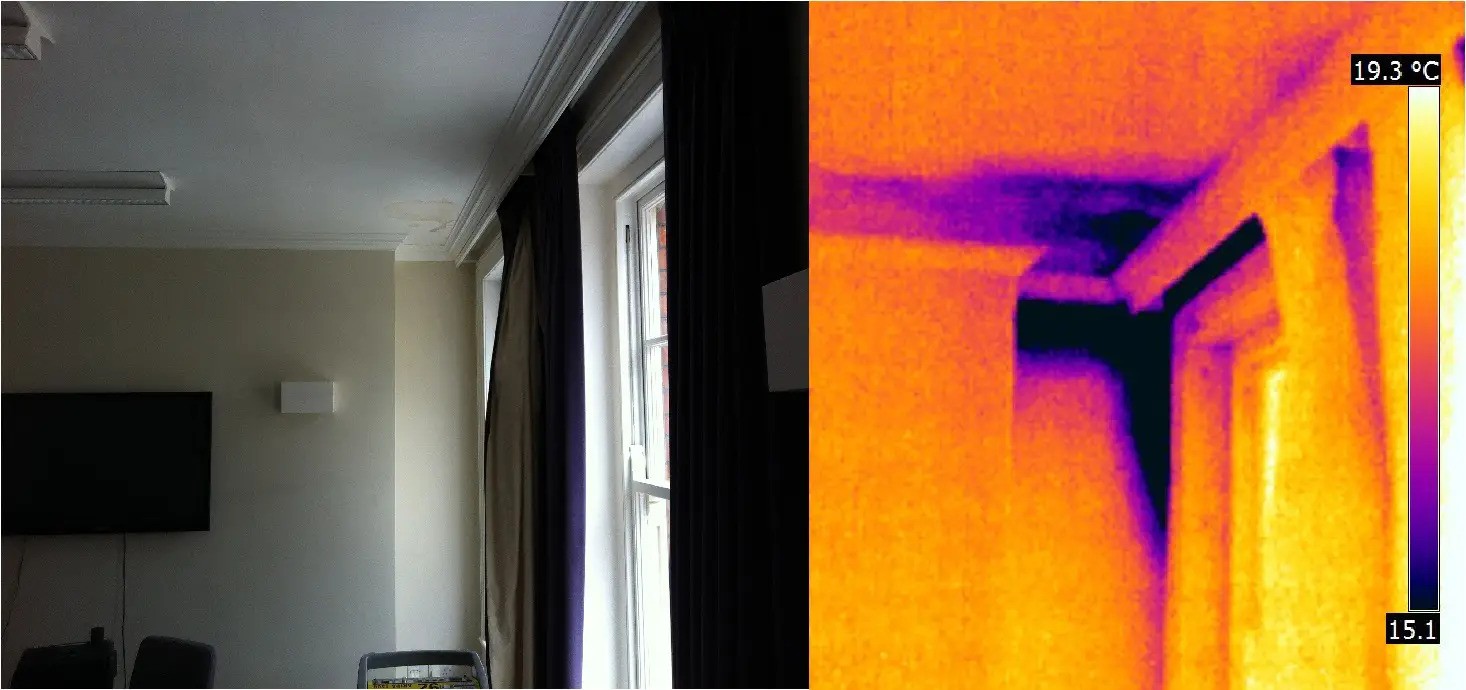
Using moisture meters and thermal imaging to locate damp zones.
2. Containment Setup
Isolating affected areas to prevent contamination spread.
3. Water Extraction
Removing standing water if present.
4. Air Mover Installation
Directing airflow across wet surfaces.
5. Dehumidification
Lowering ambient humidity to accelerate evaporation.
6. Insulation Removal (If Needed)
Discarding saturated materials.
7. Continuous Monitoring
Tracking moisture levels daily until stabilization.
Companies like Inspections and More FL understand how Melbourne’s humidity patterns influence drying timelines and adjust equipment placement accordingly.
Why Dryouts Must Be Thorough
Incomplete drying can lead to:
- Mold growth
- Ceiling sagging
- Subfloor deterioration
- Framing rot
- Corrosion of structural connectors
- Recurring stains and odors
In coastal environments, salt exposure accelerates material deterioration once moisture is present.
Verification is just as important as initial drying.
Hidden Areas Often Missed Without Professional Equipment
In commercial buildings, moisture may remain hidden in:
Ceiling Plenum Spaces
Water travels above drop ceilings unnoticed.
Wall Cavities
Moisture migrates along framing.
Under Commercial Flooring
Water becomes trapped beneath vinyl or tile.
Mechanical Rooms
Condensation accumulates around equipment.
Structural Steel Connections
Corrosion risk increases when damp.
Thermal imaging and moisture mapping prevent overlooked dampness.
Minimizing Operational Downtime
In commercial settings, downtime affects revenue.
A structured dryout plan helps:
- Isolate only affected areas
- Keep unaffected spaces operational
- Reduce reconstruction scope
- Shorten overall repair timelines
Quick action protects both structure and business continuity.
Preventing Future Moisture Issues
Commercial property managers in Melbourne can reduce risk by:
Inspecting Roof Systems Annually
Especially before storm season.
Maintaining HVAC Systems
Ensure condensate drains function properly.
Monitoring Indoor Humidity
Maintain 45–55% relative humidity.
Evaluating Drainage Systems
Prevent pooling near foundations.
Scheduling Post-Storm Moisture Inspections
Even minor intrusion can escalate.
Commercial properties in Palm Bay, Cocoa, Merritt Island, and Sanford face similar challenges, but Melbourne’s coastal exposure increases humidity impact.
Why Local Experience Matters
Structural dryouts in Florida require regional knowledge.
Professionals familiar with Melbourne understand:
- Coastal wind-driven rain behavior
- Salt air corrosion effects
- Slab moisture migration
- HVAC strain in humid climates
- Seasonal storm patterns
Inspections and More FL approaches commercial dryouts with this climate-specific awareness, ensuring moisture is removed effectively and efficiently.
Protecting Commercial Structures Long-Term
Inside commercial buildings, moisture intrusion can quietly compromise structural materials.
Structural dryouts restore stability by:
- Removing trapped moisture
- Preventing mold growth
- Protecting framing and subfloors
- Reducing corrosion risk
- Supporting safe reconstruction
In Melbourne’s humid coastal environment, proactive drying after water intrusion is one of the most important steps in preserving both structural integrity and operational continuity.
Controlled airflow, dehumidification, and ongoing monitoring make the difference between temporary drying and long-term protection.