Inside Commercial Buildings in Sanford: A Closer Look at Mold Remediation
Commercial buildings in Sanford operate differently than residential homes.
They have larger HVAC systems, extended operating hours, multiple occupants, and often more complex plumbing and roofing systems. When moisture problems develop inside offices, retail spaces, warehouses, or medical facilities, mold remediation becomes a structural and operational priority.
In Florida’s humid climate, commercial properties are especially vulnerable. Between heavy rainstorms, high humidity, roof wear, and AC condensation, moisture can develop quietly behind walls, above ceilings, and inside duct systems.
Let’s take a closer look at what mold remediation inside Sanford commercial buildings actually involves — and why it requires a different level of precision.
Why Commercial Buildings in Sanford Are Vulnerable
Sanford’s climate plays a major role in indoor moisture behavior.
Commercial properties here face:
- Year-round humidity
- Frequent heavy rainstorms
- Roof exposure to intense sun and salt air
- Continuous HVAC operation
- High indoor traffic
Flat or low-slope commercial roofs are especially susceptible to water intrusion. Even minor membrane failures can allow moisture to enter insulation layers above ceiling grids.
Once inside, that moisture spreads quietly.
Common Sources of Moisture in Sanford Commercial Properties
During inspections, moisture inside commercial buildings often traces back to:
- Roof membrane failures
- HVAC condensation line issues
- Poorly insulated ductwork
- Window seal deterioration
- Plumbing leaks in restrooms or break rooms
- Slab foundation moisture vapor
Unlike homes, commercial spaces often contain drop ceilings. Moisture can accumulate above ceiling tiles without being immediately visible to occupants.
By the time staining appears, dampness has often spread beyond the initial entry point.
Early Signs Building Managers Notice
Property managers in Sanford commercial spaces often report subtle changes before visible mold is identified.
These include:
- Musty odors in certain zones
- Discolored ceiling tiles
- AC systems running longer than normal
- Occupants noticing “stuffy” air
- Warped wall panels
- Humidity inconsistencies between rooms
Because commercial buildings rely heavily on centralized HVAC systems, air circulation can distribute moisture-related contaminants beyond one isolated area.
That’s why inspections must be thorough.
What Professional Mold Remediation Begins With
Mold remediation in commercial buildings always starts with inspection and detection.
In Sanford commercial properties, this typically includes:
- Full visual assessment
- Moisture meter readings
- Thermal imaging scans
- Roof and attic evaluation (if applicable)
- HVAC inspection
- Indoor air quality evaluation when necessary
Thermal imaging is especially useful for identifying hidden moisture behind walls or above drop ceilings.
Moisture mapping helps determine the scope of affected areas before remediation begins.
At Inspections and More FL, commercial evaluations in Sanford frequently uncover damp insulation above ceiling grids that building occupants never noticed.
Why Commercial Remediation Is More Complex
Mold remediation in commercial buildings involves additional considerations:
Operational Continuity
Many Sanford businesses cannot fully shut down operations. Remediation must be planned to minimize disruption.
Larger Air Volumes
Commercial spaces have larger cubic footage. Air scrubbing and containment systems must be sized appropriately.
Shared HVAC Systems
Contamination in ductwork can affect multiple zones simultaneously.
Multiple Tenants
In multi-tenant buildings, moisture in one unit can migrate to adjacent spaces.
These factors require a carefully structured approach.
The Step-by-Step Mold Remediation Process
Once contamination is confirmed, remediation generally follows a controlled sequence.
1. Containment
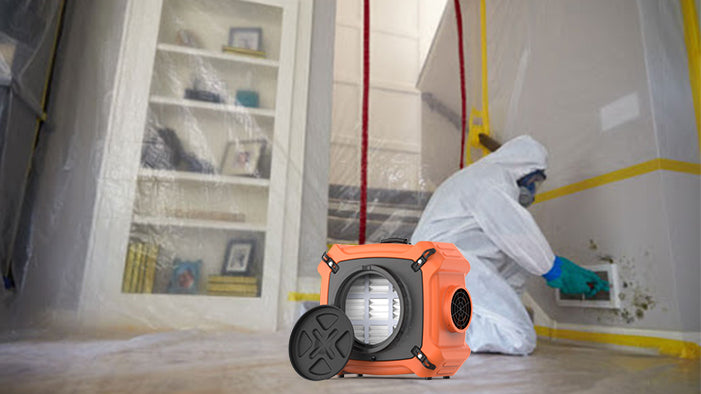
Plastic barriers and negative air pressure systems isolate affected zones to prevent cross-contamination.
2. HEPA Air Scrubbing
High-capacity air scrubbers operate continuously to capture airborne spores and particles.
3. Removal of Damaged Materials
Saturated ceiling tiles, drywall, insulation, and porous materials may require removal.
4. Structural Drying
Air blowers and commercial dehumidifiers reduce moisture in framing, subfloors, and insulation layers.
Moisture levels are monitored daily.
5. Anti-Microbial Treatment
Exposed structural components may receive targeted anti-microbial application after cleaning.
6. Post-Remediation Verification
Final moisture readings confirm safe levels before reconstruction or reopening of affected zones.
Skipping containment or drying steps often leads to recurring contamination.
Florida’s humidity makes thoroughness essential.
Roof and HVAC Considerations in Sanford Commercial Buildings
Flat roofs in Sanford are often exposed to heavy rain and intense sunlight. Minor punctures or seam failures allow water intrusion above insulation layers.
Moisture detection often reveals:
- Wet roof decking
- Damp insulation above ceilings
- Condensation near HVAC ductwork
Because commercial HVAC systems move large air volumes, duct inspection is critical during remediation.
Air circulation must be cleaned and stabilized before full reopening.
Lessons Learned from Local Commercial Cases
In Sanford commercial buildings, inspections frequently reveal patterns:
- Moisture extended beyond the original leak location
- Ceiling tile staining underestimated hidden dampness
- HVAC systems redistributed contaminants
- Previous repairs failed to fully dry insulation
Early moisture detection reduces downtime and prevents structural deterioration.
Waiting often increases remediation scope.
Preventing Future Mold Issues in Commercial Spaces
Property managers can reduce risk by:
- Conducting routine roof inspections
- Monitoring indoor humidity levels
- Servicing HVAC systems regularly
- Inspecting ceiling grids after heavy storms
- Addressing plumbing leaks immediately
- Scheduling periodic moisture evaluations
Commercial properties in Florida require proactive maintenance.
Humidity is constant. Prevention must be consistent.
Why Local Experience Matters in Sanford
Mold remediation strategies in dry climates do not translate directly to coastal Florida.
Professionals familiar with Sanford understand:
- How humidity affects commercial insulation
- How slab foundations retain vapor
- How flat roof systems respond to storm cycles
- How HVAC systems distribute airborne particles
Accurate detection and containment planning depend on understanding these environmental factors.
Inspections and More FL approaches commercial mold remediation in Sanford with local knowledge of construction styles and climate patterns. That experience helps businesses resolve issues efficiently and prevent recurrence.
Protecting Commercial Properties Long-Term
Mold remediation inside commercial buildings is not just about cleaning visible growth.
It’s about identifying hidden moisture, correcting the source, and restoring stable indoor conditions.
In Sanford’s humid climate, ignoring early warning signs often leads to larger structural projects and operational disruption.
If your commercial property has experienced roof leaks, plumbing issues, or persistent humidity, a professional moisture and mold inspection provides clarity about what may be happening above ceilings and behind walls.
In Florida, indoor stability depends on moisture control — especially in commercial environments where airflow and occupancy amplify small issues quickly.