Melbourne Homes Dealing with Anti-Microbial Fogging After Plumbing Leaks — How Florida’s Climate Makes It Worse
Plumbing leaks happen everywhere. But in Melbourne, they rarely stay simple.
A small supply line drip under a kitchen sink. A slow leak behind a bathroom wall. A cracked pipe beneath a slab foundation. In many parts of the country, you dry the area, replace what’s damaged, and move on.
Here in Melbourne, it’s different.
Florida’s humidity, coastal air, high water table, and year-round heat create conditions where even minor plumbing leaks can escalate quickly. Moisture lingers. Air stays heavy. Materials don’t dry naturally. That’s why anti-microbial fogging often becomes an important part of the remediation process after plumbing leaks in local homes.
Let’s walk through why this happens — and how it’s handled properly.
What Happens After a Plumbing Leak in a Melbourne Home
When a plumbing leak occurs, water doesn’t just sit on the surface. It spreads.
In Melbourne homes, especially those built on slab foundations, water can:
- Travel beneath flooring
- Soak into drywall and insulation
- Seep into baseboards and framing
- Move laterally along concrete slabs
- Enter wall cavities before becoming visible
Even after the visible water is cleaned up, moisture remains in porous materials. And in Florida’s climate, that moisture doesn’t dry quickly.
Within 24–48 hours, microbial growth can begin forming on damp materials if conditions stay humid.
Why Florida’s Climate Makes Plumbing Leaks Worse
Melbourne sits along Florida’s east coast. That location matters.
The environment creates three major challenges after a plumbing leak:
Persistent Humidity
Outdoor humidity levels often stay high for much of the year. When doors open, air circulates, or HVAC systems run continuously, moisture remains trapped indoors.
Drying becomes slower and less effective without active intervention.
Coastal Air and Salt Exposure
Coastal air carries salt and moisture. This increases corrosion in plumbing components and accelerates material breakdown after leaks.
Older Melbourne neighborhoods near the water often experience faster plumbing deterioration.
Heavy Rain and Storm Cycles
If a plumbing leak occurs during storm season, indoor moisture levels are already elevated. That combination makes microbial growth more aggressive.
What might have been a minor issue elsewhere becomes a larger indoor air quality concern here.
Signs Melbourne Property Owners Often Notice
After a plumbing leak, many homeowners assume the issue is resolved once repairs are made. But subtle signs often remain.
Common warning signs include:
- Musty or earthy odors
- Slight discoloration along walls
- Warped or lifting flooring
- Increased indoor humidity
- HVAC systems running constantly
- Allergy-like irritation indoors
In slab foundation homes, especially in older Melbourne construction, moisture can remain hidden behind walls or under tile and laminate.
Surface cleaning won’t reach those areas.
Hidden Moisture Zones After Plumbing Leaks
Plumbing leaks don’t always show their full impact immediately.
In Melbourne homes, moisture frequently hides:
- Behind drywall in bathrooms and kitchens
- Beneath cabinetry
- Under laminate or vinyl flooring
- Inside insulation near plumbing lines
- Around HVAC ductwork
- Inside interior wall cavities
If the source leak is repaired but trapped moisture isn’t addressed, microbial contamination can spread silently.
That’s where proper inspection becomes critical.
Why DIY Cleaning or Bleach Is Not Enough
It’s common for homeowners to wipe down visible areas with bleach or household disinfectants.
The problem?
- Bleach doesn’t penetrate porous materials deeply.
- It does not correct underlying moisture.
- It can add more liquid to already damp surfaces.
- It doesn’t address airborne particles.
In Melbourne’s humid climate, moisture must be actively removed. Simply cleaning surfaces without correcting humidity and hidden dampness leads to recurring problems.
Anti-microbial fogging, when used correctly, is part of a structured remediation process — not a quick cosmetic solution.
Professional Inspection & Detection After Plumbing Leaks
Before fogging is even considered, proper detection is required.
In Melbourne properties, a professional inspection typically includes:
- Detailed visual evaluation
- Moisture meter testing along walls and slab edges
- Thermal imaging to locate temperature variations
- Air quality assessment if needed
Thermal imaging is especially helpful in Florida homes. It identifies cooler zones that may indicate trapped moisture behind drywall or beneath flooring.
At Inspections and More FL, plumbing leak assessments in Melbourne often reveal moisture extending beyond the obvious repair area. Early identification prevents more extensive remediation later.
How Anti-Microbial Fogging Protects the Property
Once moisture is corrected and affected materials are addressed, anti-microbial fogging helps protect the structure.
Here’s how it works in a post-leak scenario:
Treating Hard-to-Reach Surfaces
The fine mist disperses into:
- Wall cavities
- Under cabinet spaces
- Around framing members
- HVAC return pathways
These are areas manual wiping cannot reach.
Supporting Air Quality Stabilization
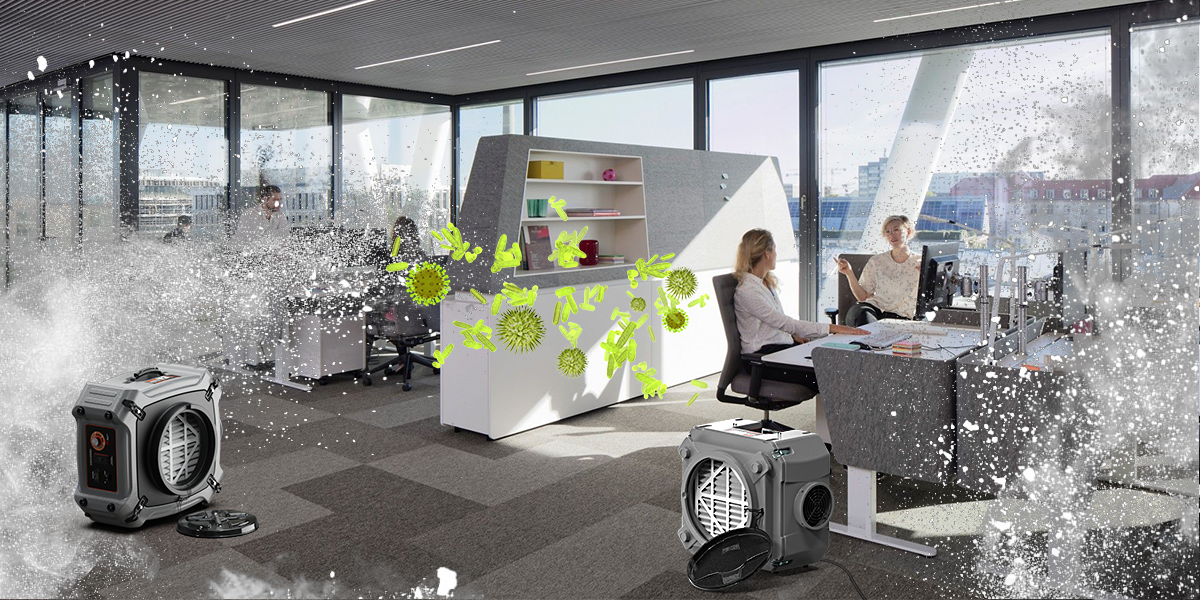
After plumbing leaks, microscopic particles may remain suspended. Fogging supports air scrubbing efforts by reducing surface contamination and assisting in stabilization before clearance.
Completing the Remediation Process
Fogging is never the first step. It follows:
- Containment
- Removal of damaged materials
- Structural drying
- Dehumidification
- Moisture source correction
Used properly, it supports long-term indoor environmental recovery.
The Full Remediation Approach in Melbourne Homes
After plumbing leaks, a complete moisture and remediation plan may include:
- Containment barriers to prevent spread
- HEPA air scrubbers
- Dehumidifiers
- Structural dryouts
- Targeted material removal
- Anti-microbial fogging
- Moisture verification testing
Skipping steps leads to recurrence.
Florida’s climate doesn’t forgive incomplete remediation.
Preventing Future Issues After a Plumbing Leak
Melbourne homeowners can reduce long-term risk by:
- Scheduling follow-up moisture checks
- Monitoring indoor humidity levels
- Maintaining HVAC systems regularly
- Ensuring proper ventilation in bathrooms and kitchens
- Inspecting baseboards and flooring after repairs
- Conducting post-storm evaluations
Moisture control is ongoing in coastal Florida. Prevention is not a one-time action — it’s part of property maintenance.
Why Local Experience in Melbourne Matters
Remediation strategies in dry states don’t always translate well to Florida.
Melbourne homes face:
- Year-round humidity
- Salt air exposure
- High water tables in some areas
- Older slab-on-grade construction
- Frequent storm cycles
Local professionals understand how moisture behaves in these structures. They know that drying must be aggressive, controlled, and verified.
Inspections and More FL applies Florida-specific experience when evaluating plumbing leak aftermath in Melbourne homes. That localized understanding leads to faster identification and more accurate treatment.
A Practical Step Toward Long-Term Protection
Anti-microbial fogging is not about overreacting to a plumbing issue. It’s about completing the remediation process properly in a climate where moisture rarely disappears on its own.
When plumbing leaks occur in Melbourne, quick action combined with thorough detection and moisture control protects both the structure and indoor air quality.
If you’ve experienced a plumbing leak and notice lingering odors, humidity, or subtle signs of moisture, a professional evaluation provides clarity. Early assessment prevents small issues from becoming larger structural concerns.
Florida’s climate may make moisture worse — but with the right approach, it doesn’t have to create long-term problems.