
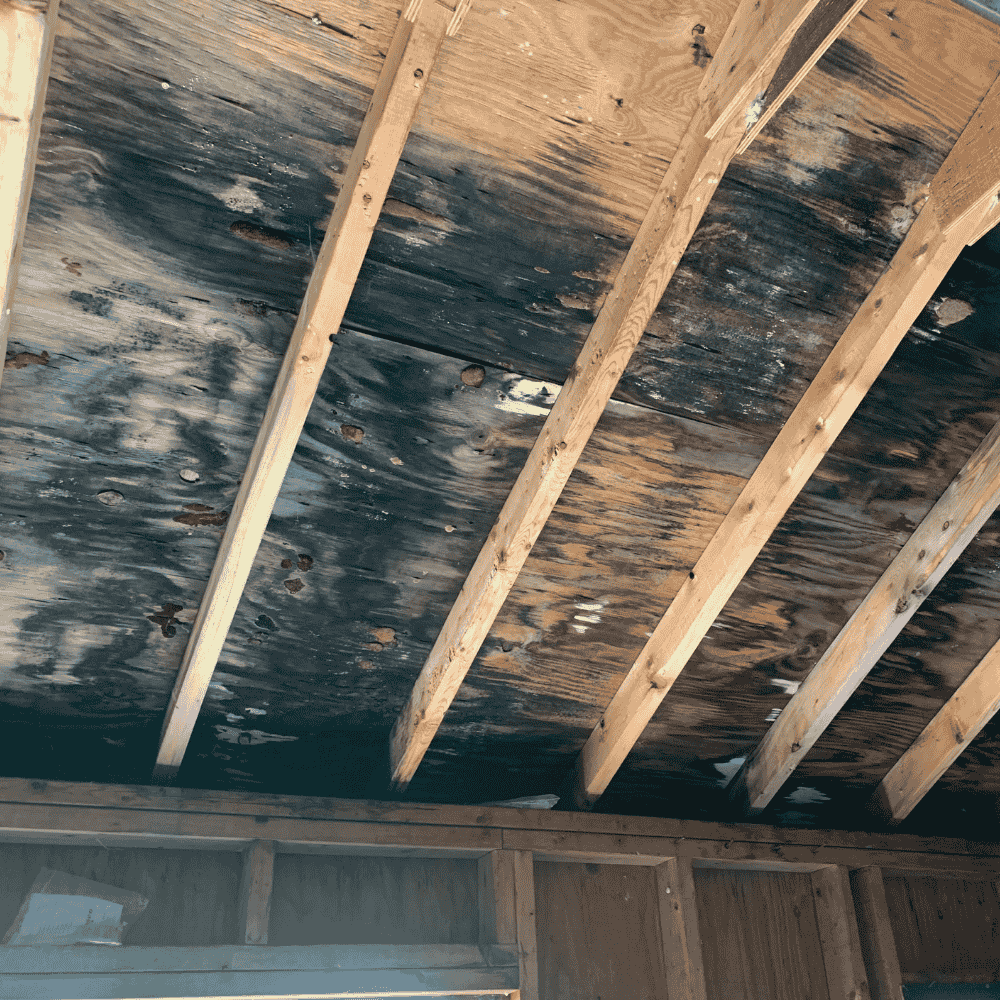
Crawl spaces in Melbourne homes are easy to forget — until a musty odor creeps into the living room or humidity levels won’t stabilize no matter how long the AC runs.
In Florida’s coastal climate, crawl spaces are one of the most moisture-prone areas of any home. When humidity stays high and ventilation is poor, mold growth can develop on joists, subflooring, and support beams. In some cases, mold encapsulation becomes part of the long-term solution.
But encapsulation is not simply “painting over mold.” In Melbourne homes, professionals approach crawl space mold issues with a structured, moisture-focused plan that addresses both contamination and the conditions that caused it.
Why Crawl Spaces in Melbourne Are So Vulnerable
Melbourne’s humid environment creates constant moisture pressure beneath homes.
Even without flooding, crawl spaces experience:
- High groundwater levels
- Warm, humid air entering through vents
- Condensation on cooler subfloor surfaces
- Poor airflow circulation
- Storm-driven rain entering through foundation gaps
- Salt air exposure accelerating material wear
In coastal neighborhoods and low-lying areas, soil beneath crawl spaces can remain damp for extended periods.
When warm, humid air enters through open vents and meets cooler wood framing, condensation forms. Over time, that repeated moisture exposure leads to mold growth.
Common Signs Crawl Space Mold Is Present
Many Melbourne homeowners don’t enter their crawl spaces regularly. Instead, they notice symptoms upstairs.
These often include:
- Persistent musty odors
- Warped or cupped hardwood floors
- Elevated indoor humidity
- Increased allergy-like irritation during humid months
- Uneven floor temperatures
- AC systems running continuously
Because crawl spaces sit directly beneath living areas, air naturally rises from below into the home — carrying moisture and odors with it.
Ignoring crawl space mold can affect the entire indoor environment.
What Mold Encapsulation Actually Means
Mold encapsulation is a protective coating applied to structurally sound wood surfaces after proper mold remediation and drying have occurred.
It is not a substitute for mold removal.
Encapsulation is typically used when:
- Structural wood is still stable
- Staining remains after cleaning
- Added moisture resistance is needed
- The crawl space environment has been corrected
The purpose is to seal residual microscopic particles and provide an added layer of protection against future humidity exposure.
In Melbourne crawl spaces, encapsulation is often part of a broader moisture control strategy.
Why Encapsulation Alone Doesn’t Work
One of the most common mistakes homeowners make is assuming encapsulation alone will solve crawl space mold.
If moisture remains present, mold can return even after coating.
Professional remediation in Melbourne always focuses first on:
- Identifying the moisture source
- Stabilizing humidity
- Removing contaminated materials
- Improving ventilation or sealing the space
Encapsulation is the finishing step — not the first.
Professional Inspection & Detection Process
When evaluating crawl space mold in Melbourne homes, professionals begin with a detailed inspection.
This typically includes:
Visual assessment of framing, subflooring, and insulation
Moisture detection readings on wood surfaces
Checking for standing water or damp soil
Evaluating vapor barrier condition
Assessing ventilation design
Measuring indoor and crawl space humidity levels
Thermal imaging may also be used to detect hidden moisture patterns.
Understanding the full environmental picture is essential before encapsulation is considered.
The Professional Remediation Approach
Once mold presence and moisture sources are identified, the process usually follows these steps:
- Containment
Preventing cross-contamination into living areas. - Mold remediation
Cleaning and removing visible mold from structural wood. - Removal of contaminated insulation
If insulation has absorbed moisture. - Structural dryouts
Using air movers and dehumidifiers to stabilize wood moisture content. - Vapor barrier installation or repair
Reducing ground moisture evaporation. - Crawl space sealing (if appropriate)
Controlling air exchange with humid outdoor air. - Dehumidifier installation
Maintaining long-term humidity control. - Mold encapsulation
Applying protective coating to clean, dry wood surfaces.
Each step builds on the previous one to ensure long-term protection.
Why Dehumidification Is Critical in Melbourne
In coastal Florida, crawl spaces often require active dehumidification to maintain stability.
Because humidity levels remain elevated much of the year, passive ventilation alone is often insufficient.
Professional-grade crawl space dehumidifiers help maintain humidity within a safe range (typically 45–55%), preventing future mold growth.
Without dehumidification, encapsulation coatings may not perform as intended.
Preventing Future Crawl Space Mold Issues
Melbourne homeowners can reduce crawl space risks by:
- Installing or maintaining vapor barriers
- Sealing crawl space vents where appropriate
- Scheduling routine crawl space inspections
- Monitoring indoor humidity
- Maintaining proper exterior drainage
- Addressing plumbing leaks immediately
- Inspecting foundation walls after heavy storms
Proactive maintenance is especially important in coastal communities where humidity is constant.
Why Local Experience Matters
Crawl space moisture behavior in Melbourne differs from inland areas.
Coastal air exposure, high water tables, and storm cycles influence how moisture accumulates beneath homes.
Professionals familiar with local conditions understand:
- How groundwater affects foundation moisture
- How storm runoff impacts crawl spaces
- How salt air influences material degradation
- How to balance ventilation versus sealing in humid climates
Inspections and More FL works with Melbourne homeowners and property managers to approach crawl space mold issues systematically — focusing on moisture correction first and encapsulation only when appropriate.
When to Schedule an Evaluation
If your home has persistent odors, elevated humidity, or visible mold in the crawl space, it’s important to evaluate conditions before problems spread further.
Encapsulation may be part of the solution — but only after moisture sources are fully addressed.
In Melbourne’s humid coastal climate, crawl space mold isn’t uncommon.
But with proper remediation, sealing, dehumidification, and professional encapsulation when needed, your home can remain stable, dry, and protected long term.
The key isn’t just coating the wood.
It’s controlling the environment beneath your home.
