
Melbourne Homes Dealing with Mold Remediation When Indoor Air Feels Damp — A Practical Homeowner Breakdown
If your home in Melbourne feels damp even when the air conditioner is running, you’re not alone. That heavy, sticky indoor air isn’t just uncomfortable — it’s often the first warning sign of excess moisture building inside walls, flooring, and structural materials.
In coastal Florida communities like Melbourne, indoor humidity problems are common. And when moisture lingers long enough, mold remediation becomes necessary to protect the property.
This breakdown walks you through why it happens, what to watch for, and how proper remediation protects your home long term.
Why Indoor Air Feels Damp in Melbourne
Melbourne’s coastal environment creates persistent humidity year-round.
Homeowners here deal with:
- High outdoor humidity
- Salt-heavy air from the Atlantic
- Frequent summer rain cycles
- Storm season moisture
- High groundwater levels
When outdoor humidity stays elevated, indoor humidity follows — especially in homes with:
- Slab foundations
- Older HVAC systems
- Poor attic ventilation
- Minor air leaks
Even without a plumbing leak, building materials absorb airborne moisture when indoor humidity rises above 55–60%.
Over time, that dampness creates the perfect conditions for mold growth.
What’s Actually Happening Inside the Walls
When indoor air feels damp, moisture doesn’t just stay in the air. It settles into:
- Drywall
- Baseboards
- Wood framing
- Insulation
- Subflooring
- HVAC ductwork
In Melbourne homes, slab foundations often contribute to vapor intrusion from below. Warm, humid air inside meets cooler surfaces, leading to condensation behind walls and under flooring.
You may not see visible mold at first. But elevated moisture readings tell the real story.
If damp air persists, mold remediation may become necessary to correct both contamination and the moisture source.
Common Signs Melbourne Homeowners Notice
Damp air often brings subtle warning signs before visible mold appears.
Homeowners frequently report:
- Musty smells
- Sticky floors
- Warped baseboards
- Peeling paint
- Uneven cooling
- Condensation on windows
- AC running constantly
- Increased indoor allergy symptoms
Closets and bedrooms along exterior walls often feel heavier than central living spaces.
When indoor humidity remains high, mold growth can begin in hidden areas within days.
Hidden Areas Mold Commonly Develops
In Melbourne homes dealing with damp indoor air, mold frequently develops:
- Behind drywall near slab lines
- Under laminate or hardwood flooring
- Inside insulation
- Around HVAC vents
- In attic decking
- Behind cabinets along exterior walls
Because moisture often enters gradually, homeowners don’t immediately associate damp air with structural mold.
But once materials remain saturated long enough, remediation becomes necessary.
Why DIY Solutions Usually Don’t Solve the Problem
It’s common to try:
- Running portable dehumidifiers
- Cleaning visible spots with bleach
- Repainting stained areas
- Using air fresheners to mask odors
- Opening windows for ventilation
These steps may temporarily improve air quality but don’t remove mold colonies or correct hidden moisture.
Bleach doesn’t penetrate porous materials like drywall and wood.
And without identifying the moisture source, mold simply returns.
Effective mold remediation requires professional detection and controlled removal.
How Mold Remediation Works in Damp-Indoor-Air Situations
When indoor air feels persistently damp in Melbourne, remediation follows a structured process.
At Inspections and More FL, the approach typically includes:
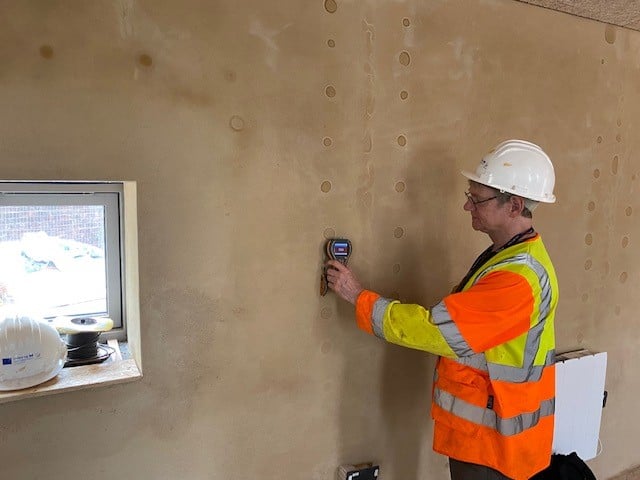
Detailed Moisture Inspection
Using meters to measure humidity levels and identify saturated materials.
Thermal Imaging
Locating hidden damp areas inside walls and ceilings.
Containment
Isolating affected areas to prevent spore spread.
HEPA Air Scrubbing
Filtering airborne mold particles during remediation.
Safe Removal of Contaminated Materials
Removing affected drywall, insulation, or flooring when necessary.
Anti-Microbial Treatment
Treating cleaned structural surfaces.
Structural Dryouts
Drying building materials with professional dehumidifiers and air movers.
Humidity Source Correction
Addressing vapor intrusion, HVAC issues, or ventilation problems.
Remediation protects both the structure and indoor air stability.
Why Dehumidification Is Critical After Remediation
In Melbourne’s humid climate, remediation without humidity control leads to recurrence.
Whole-home dehumidification systems often become part of the long-term solution.
Proper humidity control:
- Keeps indoor levels below 55%
- Protects structural materials
- Prevents mold regrowth
- Reduces strain on HVAC systems
Humidity management is ongoing in coastal Florida — not seasonal.
Slab Foundation Homes in Melbourne
Many Melbourne homes sit directly on concrete slabs.
During prolonged humidity:
- Moisture vapor rises from saturated soil
- Lower drywall absorbs moisture
- Flooring systems trap humidity
- Mold develops along slab edges
Structural dryouts are often required before remediation can fully stabilize the property.
Ignoring slab moisture allows problems to reappear months later.
Preventing Damp Indoor Air and Mold Recurrence
Homeowners in Melbourne can reduce risk by:
- Monitoring indoor humidity with a digital hygrometer
- Maintaining HVAC systems regularly
- Inspecting attic ventilation
- Checking for condensation around ducts
- Using whole-home dehumidifiers during storm season
- Scheduling moisture inspections after heavy rain
Proactive moisture management reduces the likelihood of recurring mold issues.
Why Local Experience Matters in Melbourne
Coastal Florida homes behave differently than homes in dry climates.
Local professionals understand:
- Salt air effects on materials
- Slab foundation vapor patterns
- Storm-season humidity cycles
- Common construction styles in Brevard County
- AC condensation challenges unique to Florida
Experience with Melbourne’s environment leads to faster diagnosis and more effective long-term solutions.
Inspections and More FL works with homeowners who need practical, Florida-specific mold remediation — not surface-level fixes.
When It’s Time to Schedule an Evaluation
If your Melbourne home consistently feels damp, musty, or unevenly cooled, it’s time to investigate.
Mold remediation becomes necessary when:
- Moisture remains uncorrected
- Hidden mold colonies develop
- Indoor humidity stays elevated
- Structural materials begin absorbing water
Early evaluation prevents minor humidity issues from turning into larger structural damage.
Florida’s coastal climate demands consistent moisture control.
With proper inspection, targeted remediation, and long-term humidity management, Melbourne homes can stay dry, stable, and protected — even when the air outside feels heavy and humid.
