Melbourne Homes Dealing with Mold Remediation When Indoor Air Feels Damp — How Early Detection Saves Money
In Melbourne, it’s not unusual to walk into a home and immediately notice the air feels heavy. Not hot—just damp. Windows may not be fogged, and there may not be visible water anywhere, but something feels off. That subtle indoor humidity often becomes the first warning sign that moisture is building somewhere inside the structure.
When indoor air feels persistently damp, it’s rarely just a comfort issue. In Florida’s coastal climate, that sensation can signal hidden moisture behind walls, inside attic insulation, under flooring, or along slab edges. Left unaddressed, those damp conditions may lead to mold growth and structural damage.
The good news is that early detection dramatically reduces remediation costs. Understanding how mold remediation works—and why acting quickly in Melbourne saves money—can protect both your property and your budget.
Why Damp Indoor Air Is a Warning Sign in Melbourne
Melbourne’s coastal environment exposes homes to:
-
Elevated dew points most of the year
-
Lagoon-driven humidity cycles
-
Frequent afternoon thunderstorms
-
Hurricane-season rainfall
-
Extended air conditioning use
-
Salt air corrosion of exterior seals
When indoor air feels damp, it usually means one of two things:
-
Humidity levels are too high.
-
Moisture is being introduced somewhere inside the structure.
Both scenarios increase mold risk.
In Florida, mold doesn’t require standing water. Sustained humidity above 60% is often enough.
What Causes Indoor Air to Feel Damp?
Common causes in Melbourne homes include:
-
Roof leaks allowing attic moisture
-
HVAC duct condensation
-
Slab moisture migration
-
Plumbing leaks inside walls
-
Poor attic ventilation
-
Exhaust fans venting into attic spaces
-
Blocked return air pathways
Sometimes the issue is subtle. A small leak or slow condensation cycle can elevate humidity gradually without obvious signs.
Why Early Detection Matters Financially
When moisture remains hidden, it spreads.
What starts as a small damp section inside a wall cavity may grow to affect:
-
Insulation
-
Framing
-
Subfloor systems
-
Adjacent rooms
-
HVAC components
The longer moisture sits, the more materials become involved.
Early detection typically means:
-
Limited drywall removal
-
Minimal insulation replacement
-
Shorter drying time
-
Lower labor costs
-
Fewer structural repairs
Delayed detection often multiplies costs significantly.
The Step-by-Step Approach to Early Mold Detection
Step 1: Humidity Measurement
A hygrometer provides immediate insight.
Ideal indoor range: 45–55%.
If readings consistently exceed 60%, further evaluation is needed.
Step 2: Moisture Detection
Thermal imaging identifies cooler areas that may indicate hidden dampness.
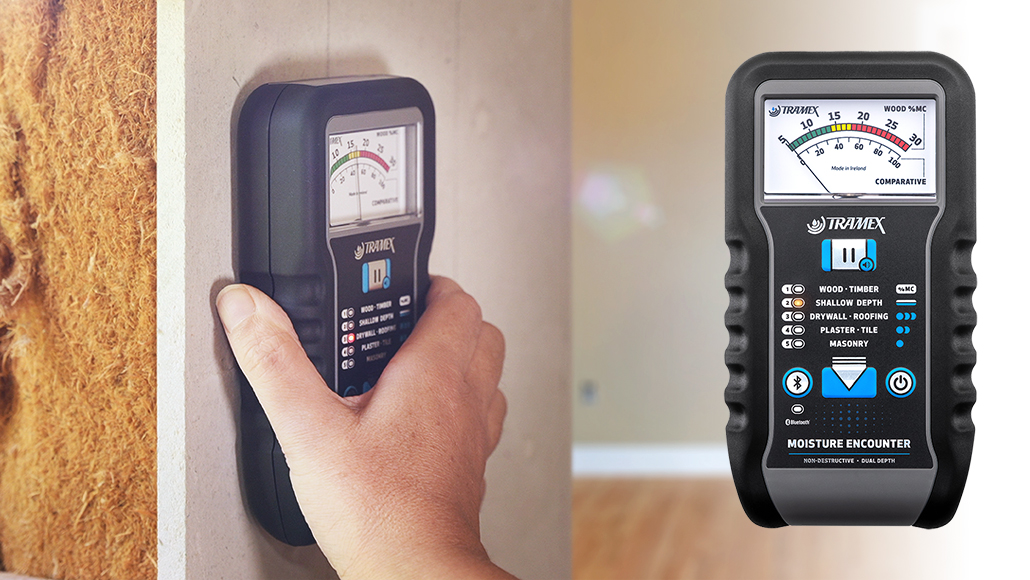
Moisture meters confirm elevated readings in:
-
Walls
-
Ceilings
-
Subfloors
-
Attic framing
Companies such as Inspections and More FL typically begin with thorough moisture mapping before recommending remediation.
Step 3: Identify the Source
Common moisture sources in Melbourne include:
-
Deteriorated roof flashing
-
Compromised window seals
-
Slab edge moisture
-
HVAC condensation
-
Plumbing leaks
Source correction prevents recurring mold growth.
What Happens If Mold Is Confirmed
If mold growth is detected, remediation follows a structured process.
Containment
Barriers prevent spores from spreading to unaffected areas.
Selective Material Removal
Only affected drywall or insulation is removed.
HEPA Vacuuming
Surfaces are cleaned thoroughly.
Antimicrobial Treatment
Exposed framing is treated appropriately.
Structural Drying
Dehumidifiers and air movers stabilize moisture levels.
Final Verification
Moisture readings confirm the area is dry before rebuilding.
When caught early, remediation may be limited to a small section of wall or attic space.
Cost Comparison: Early vs. Late Response
Early Response
-
Minimal demolition
-
Short drying duration
-
Limited material replacement
-
Lower equipment costs
Delayed Response
-
Extensive drywall removal
-
Flooring replacement
-
Insulation removal
-
Possible framing repair
-
Longer equipment rental
-
Increased labor costs
In many cases, waiting can double or triple total expenses.
The Attic and Slab Connection
Melbourne homes often sit on slab foundations.
During extended humidity:
-
Moisture migrates upward
-
Lower wall framing absorbs dampness
Attics also play a role:
-
Duct sweating increases
-
Insulation retains moisture
-
Ventilation gaps allow humid air entry
Indoor dampness often signals moisture at both top and bottom of the structure.
Early detection addresses both.
The Air Conditioning Misconception
Many homeowners assume running AC continuously will solve damp air.
However:
-
Oversized systems cool too quickly
-
Short cycles limit moisture removal
-
High outdoor humidity overwhelms capacity
Whole-home dehumidification may be needed in persistent cases.
Ignoring damp air because the temperature feels cool often delays necessary action.
How Mold Remediation Protects Long-Term Property Value
Proper remediation:
-
Preserves framing integrity
-
Protects insulation efficiency
-
Maintains flooring stability
-
Reduces mold recurrence risk
-
Stabilizes indoor air
Homes with documented early detection and remediation maintain stronger resale value.
Common Mistakes That Increase Costs
Melbourne homeowners sometimes:
-
Ignore musty odors
-
Delay inspections
-
Assume humidity is seasonal
-
Seal walls without moisture testing
-
Rely on surface cleaning only
Surface cleaning alone does not address hidden mold.
Thorough evaluation is essential.
Preventing Future Mold Issues
To prevent recurrence:
-
Monitor indoor humidity regularly
-
Service HVAC systems annually
-
Inspect attic ventilation
-
Check slab edges after heavy rain
-
Maintain roof flashing
-
Seal windows and doors properly
-
Schedule moisture inspections when air feels damp
Prevention minimizes future remediation needs.
Why Local Experience Makes a Difference
Melbourne homes experience:
-
Lagoon-driven humidity
-
Hurricane-season rainfall
-
Slab-on-grade construction
-
Salt air corrosion
-
Extended cooling seasons
Professionals familiar with Melbourne, Palm Bay, Cocoa, Merritt Island, and Sanford understand how moisture behaves in Florida coastal properties.
Local expertise improves detection accuracy and prevents unnecessary demolition.
The Real Financial Benefit of Acting Early
Early detection saves money because it:
-
Limits moisture spread
-
Shortens drying time
-
Reduces material removal
-
Prevents structural deterioration
-
Minimizes disruption
-
Protects HVAC systems
Addressing damp indoor air at the first sign prevents compounding damage.
A Practical Takeaway for Melbourne Homeowners
When indoor air feels damp in a Melbourne home, it’s not just a comfort issue—it’s a warning sign. In Florida’s humid coastal climate, moisture can spread silently behind walls, inside attics, and along slab edges.
Early detection through moisture mapping and inspection allows mold remediation to remain targeted and affordable. Waiting often increases costs and expands damage.
By responding promptly when indoor air feels heavy or musty, homeowners protect their property from long-term structural concerns and unnecessary expenses.
In Melbourne, humidity is a constant. But mold remediation doesn’t have to be costly—when moisture is identified and addressed early.