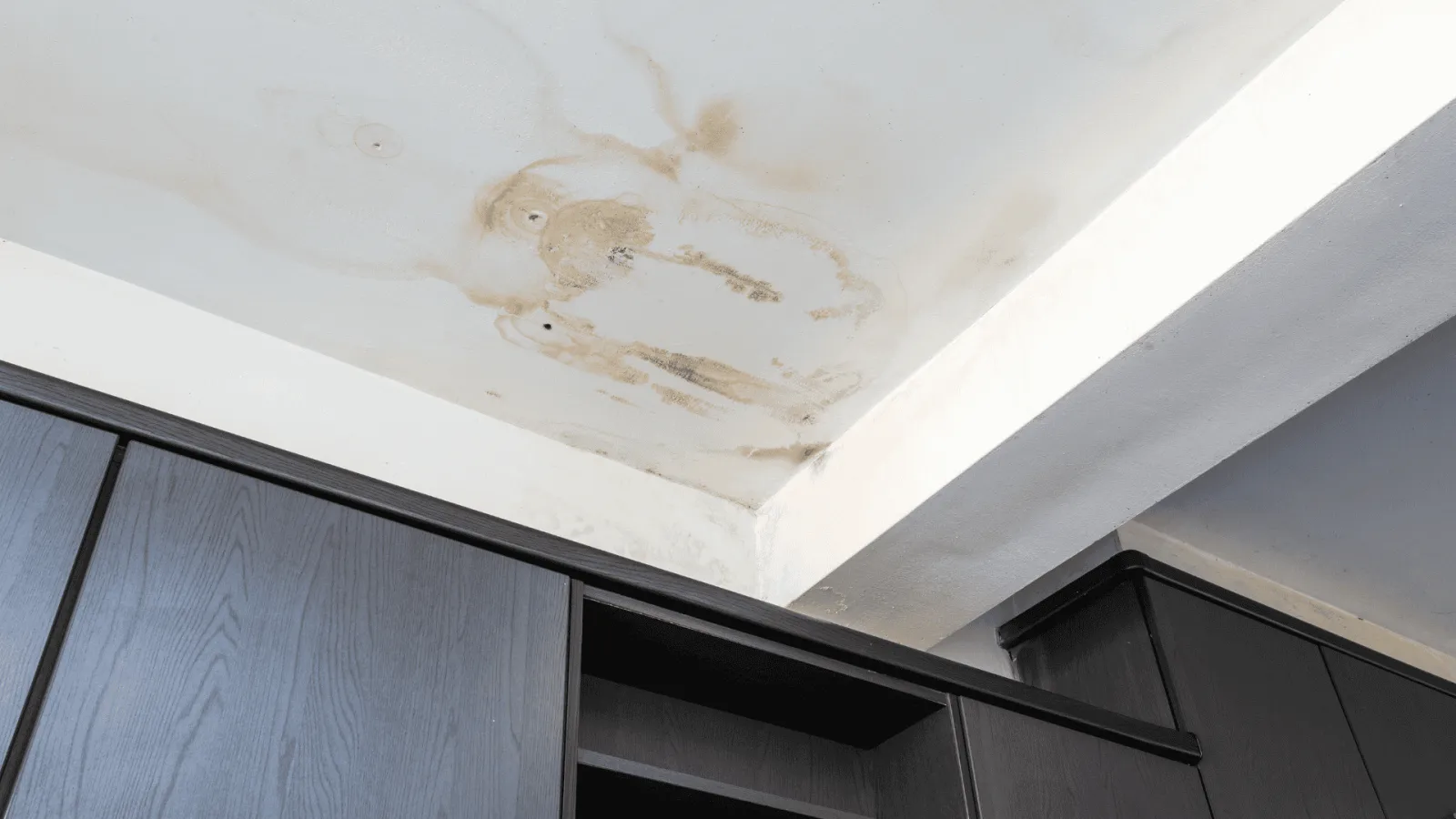
Merritt Island Homes Dealing With Anti-Microbial Fogging After Hidden Water Intrusion — How Early Detection Saves Money
On Merritt Island, water doesn’t always rush in dramatically.
Sometimes it seeps.
It slips behind siding during a storm. It works its way through aging window seals. It drips slowly from an attic condensation line. And because of the island’s high humidity, that hidden moisture lingers longer than homeowners expect.
By the time musty odors appear or drywall begins to discolor, mold may already be developing inside wall cavities or above ceilings.
What Hidden Water Intrusion Really Means
Hidden water intrusion refers to moisture entering areas you can’t easily see.
In Merritt Island homes, this commonly happens through:
- Wind-driven rain during coastal storms
- Minor roof flashing gaps
- HVAC condensation leaks
- Plumbing line seepage inside walls
- Poor attic ventilation
- Elevated crawl space humidity
Unlike visible flooding, hidden moisture builds quietly. And because Merritt Island sits between the Indian River and Banana River, high ambient humidity slows evaporation.
That delay is what creates mold risk.
Why Merritt Island Homes Are Especially Vulnerable
Living on an island has its advantages — but moisture control isn’t one of them.
Coastal Humidity
Salt-heavy air keeps moisture levels elevated year-round.
High Water Tables
Ground saturation can push humidity upward into crawl spaces and slab edges.
Frequent Storms
Even small weather systems can introduce wind-driven rain.
Older Construction Styles
Many homes were built before modern moisture barriers became standard.
Continuous AC Operation
Air conditioning systems run long cycles, increasing condensation risk.
These environmental factors mean hidden moisture doesn’t dry quickly. It remains trapped in drywall, insulation, and framing — ideal conditions for mold growth.
Early Warning Signs Most Homeowners Overlook
Hidden water intrusion rarely announces itself loudly.
Instead, you might notice:
- Faint musty smells
- Slight paint bubbling
- Subtle drywall discoloration
- Warped baseboards
- Increased indoor humidity
- Small ceiling stains
In Merritt Island and nearby Cocoa or Melbourne neighborhoods, homeowners often dismiss these signs as minor humidity issues.
But early moisture detection at this stage can save thousands in structural repairs.
Where Mold Develops After Hidden Intrusion
Because the moisture source is concealed, mold often forms in areas such as:
Behind Interior Drywall
Water entering through roof lines travels downward inside wall cavities.
Above Ceiling Spaces
Minor roof leaks soak insulation before becoming visible.
Around HVAC Air Handlers
Condensation lines can slowly drip into subfloor areas.
Crawl Spaces
High humidity below the home creates upward moisture migration.
Window Framing
Coastal exposure weakens seals over time.
Without inspection tools, these areas stay damp long enough for mold colonies to establish.
Why Early Detection Saves Money
The financial difference between early intervention and delayed remediation can be significant.
Early Stage (Low Cost)
- Minor drywall removal
- Targeted anti-microbial fogging
- Limited drying
- Small area containment
Delayed Stage (Higher Cost)
- Structural framing replacement
- Subfloor repairs
- Extensive drywall removal
- Mold spread into multiple rooms
- HVAC contamination
Mold spreads exponentially when moisture remains present. Catching intrusion early prevents structural damage and keeps remediation localized.
That’s why prompt inspection matters so much on Merritt Island.
Professional Inspection & Detection Methods
A proper evaluation focuses on finding moisture before it spreads.
In Merritt Island homes, inspections typically include:
Visual Assessment
Checking roof penetrations, flashing, and siding transitions.
Thermal Imaging
Identifying temperature differences that indicate hidden moisture.
Moisture Meter Testing
Measuring dampness in drywall and framing.
Attic & Crawl Space Evaluation
Inspecting insulation and structural components.
Indoor Air Quality Testing
Determining whether mold spores are elevated.
Companies like Inspections and More FL understand how island humidity affects building materials and prioritize early detection over reactive repairs.
What Anti-Microbial Fogging Actually Does
Anti-microbial fogging is often misunderstood.
It is not a substitute for mold removal. Instead, it serves as a controlled treatment method used during remediation.
When properly applied, fogging:
- Reduces airborne mold spores
- Reaches areas that are difficult to wipe manually
- Treats surfaces following removal of contaminated materials
- Helps prevent regrowth after moisture correction
In Merritt Island homes dealing with hidden water intrusion, fogging is most effective when used as part of a broader remediation process — not as a standalone fix.
The Full Remediation Process After Hidden Water Intrusion
When mold is confirmed, remediation may include:
Containment
Isolating affected zones to prevent cross-contamination.
Removal of Saturated Materials
Safely removing contaminated drywall or insulation.
Structural Drying
Using dehumidification and air movers to restore normal moisture levels.
Anti-Microbial Fogging
Applying treatment to treated areas and adjacent surfaces.
Air Scrubbing
Filtering airborne spores during the process.
Mold Encapsulation
Sealing exposed structural wood if needed.
Source Correction
Repairing the original water intrusion point.
Skipping any of these steps can allow mold to return.
Structural Damage Risks If Ignored
Hidden moisture combined with island humidity can lead to:
- Wood rot
- Framing deterioration
- Insulation collapse
- Subfloor weakening
- Ceiling sagging
- Fastener corrosion
Salt air exposure accelerates deterioration once materials become wet.
Early detection prevents this chain reaction.
Prevention Tips for Merritt Island Homes
Moisture prevention is ongoing in Florida’s coastal climate.
Inspect After Every Major Storm
Even if no visible damage appears.
Monitor Indoor Humidity
Keep levels between 45–55%.
Check Attics Twice Per Year
Look for damp insulation or staining.
Service HVAC Systems Annually
Ensure condensation drains properly.
Evaluate Crawl Spaces
Especially in low-lying neighborhoods.
Address Minor Leaks Immediately
Small repairs prevent major remediation.
Homes in Merritt Island, Cocoa, Palm Bay, and surrounding areas benefit from proactive moisture evaluations due to environmental pressure.
Why Local Experience Matters
Mold remediation in Merritt Island is different from inland Sanford properties.
Local professionals understand:
- Coastal wind-driven rain patterns
- Salt air deterioration
- High water table influence
- Slab vs crawl space moisture behavior
- Long-term humidity cycles
Inspections and More FL applies region-specific knowledge to identify moisture early — before it compromises structural integrity.
Taking the Smart, Cost-Saving Approach
Anti-microbial fogging becomes a valuable tool when used as part of a structured remediation plan.
But the real cost savings happen before mold spreads.
Early detection:
- Limits material removal
- Prevents structural decay
- Reduces downtime
- Protects property value
- Maintains healthier indoor air
On Merritt Island, hidden water intrusion is common. Ignoring it is expensive. Addressing it early is practical.
A professional moisture evaluation after storms or unexplained humidity changes can help you act before minor issues become major repairs.