
Merritt Island Homes Dealing With Moisture Detection in Waterfront Homes — When to Schedule an Evaluation
Living on the water in Merritt Island offers incredible views and steady coastal breezes. But waterfront living also comes with one ongoing reality: moisture is always present.
Homes along the Indian River and Banana River experience higher ambient humidity, salt air exposure, and greater storm impact than many inland properties in Cocoa or Melbourne. Over time, that constant exposure increases the likelihood of hidden moisture inside walls, ceilings, flooring, and structural framing.
Moisture detection isn’t just something you schedule after a visible leak. In waterfront homes, it’s often a proactive step that protects the structure long before damage becomes obvious.
So when should a Merritt Island homeowner schedule a moisture evaluation? Let’s take a closer look.
Why Waterfront Homes Face Unique Moisture Risks
Merritt Island waterfront properties deal with a combination of environmental pressures that inland homes simply don’t.
Elevated Humidity Year-Round
Proximity to open water means ambient humidity remains consistently higher. Even on sunny days, moisture levels in the air are elevated.
Wind-Driven Rain
Storm systems push rain sideways. Windows, sliding doors, and exterior penetrations face constant exposure.
Salt Air Corrosion
Salt accelerates deterioration of seals, flashing, fasteners, and metal components. Small gaps form faster in coastal homes.
High Water Table
Ground moisture can migrate upward through slab foundations, especially in older construction.
Hurricane and Storm Exposure
Merritt Island homes often take direct impact from coastal storms, increasing the risk of minor but repeated water intrusion.
These factors make moisture detection an important part of long-term home maintenance.
What Moisture Detection Actually Involves
Moisture detection is a structured process designed to identify hidden dampness inside structural materials.
It goes beyond visible inspection.
Professional evaluations typically include:
- Visual assessment of vulnerable areas
- Moisture meter readings in drywall and framing
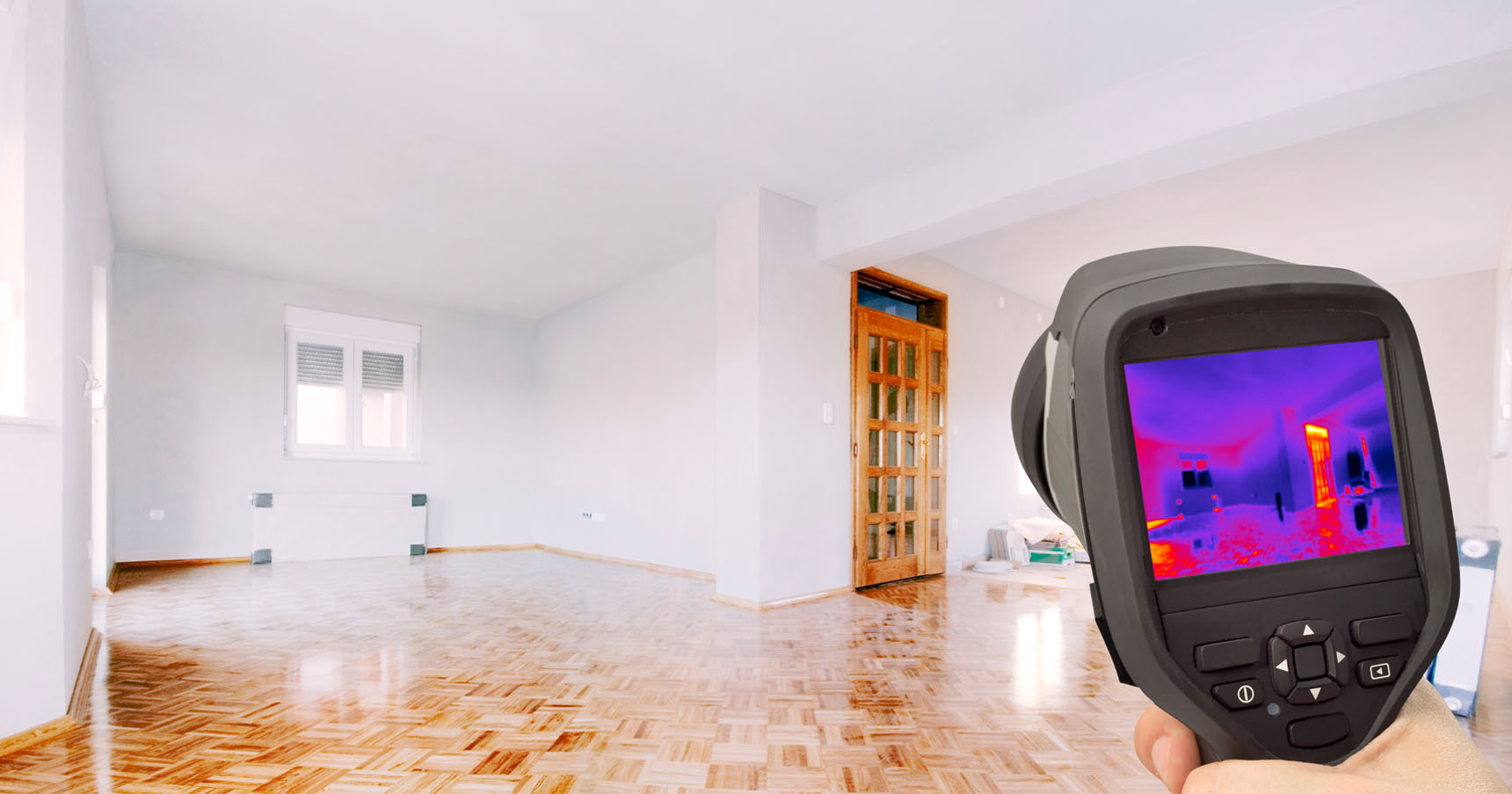
- Thermal imaging scans of walls and ceilings
- Humidity measurements throughout the home
The goal is to locate moisture before it causes visible damage.
In waterfront homes, early detection often prevents larger remediation projects later.
Common Signs It’s Time to Schedule an Evaluation
You don’t always need visible water damage to justify a moisture inspection.
Here are common indicators in Merritt Island waterfront homes:
Persistent Musty Odor
Even faint smells can indicate hidden moisture inside wall cavities.
Indoor Air Feels Damp
If rooms feel humid despite AC use, moisture may be embedded in materials.
Peeling Paint or Bubbling Drywall
Moisture trapped behind walls can cause surface changes.
Warped Baseboards or Flooring
Slab vapor transmission and minor intrusion events can affect trim and flooring.
Recent Storm Activity
After hurricanes or heavy rain, even if no leak is obvious, moisture may still be present.
AC Running Constantly
High indoor humidity forces systems to work harder.
If any of these signs appear, scheduling an evaluation is a proactive step.
Hidden Areas Where Moisture Often Lingers
In Merritt Island waterfront homes, moisture frequently hides in:
- Window framing and headers
- Sliding door tracks
- Wall cavities facing open water
- Attic decking near roof penetrations
- HVAC closets
- Under tile or laminate flooring
- Beneath kitchen or bathroom cabinets
Because coastal air carries salt and moisture, materials may deteriorate slowly, allowing repeated minor intrusion.
Without detection tools, these issues remain invisible.
When to Schedule Moisture Detection — Timing Matters
There are specific situations when scheduling an evaluation makes sense.
After a Major Storm
Even if your home appears dry, wind-driven rain may have entered small openings.
After Roof Repairs
If roofing materials were damaged or replaced, verifying interior dryness is wise.
Before Buying or Selling a Waterfront Property
Real estate transactions often benefit from moisture evaluations in coastal areas.
If Indoor Humidity Remains Above 60%
Persistent elevated humidity can indicate hidden moisture.
If the Home Is More Than 10–15 Years Old
Sealants and flashing degrade over time in salt air environments.
In waterfront properties, waiting for obvious signs often means waiting too long.
Why DIY Checks Aren’t Enough
Homeowners sometimes rely on visual checks or inexpensive surface meters.
The challenge is that:
- Surface dryness doesn’t mean interior dryness
- Salt air corrosion isn’t always visible
- Slab moisture cannot be assessed by touch
- Thermal differences behind walls require specialized imaging
Without professional equipment and experience interpreting readings in Florida’s climate, hidden moisture can be missed.
Florida humidity complicates readings. Proper evaluation requires understanding how local conditions affect materials.
How Professional Moisture Detection Works
A structured evaluation in a Merritt Island waterfront home typically includes:
Baseline Humidity Measurement
Assess indoor air moisture levels.
Systematic Moisture Scanning
Room-by-room testing of drywall, ceilings, trim, and flooring.
Thermal Imaging
Infrared scans reveal temperature differences that may indicate moisture behind surfaces.
Attic Inspection
Check for roof deck moisture and ventilation issues.
HVAC Review
Inspect condensate lines and air handler areas for hidden dampness.
At Inspections and More FL, moisture detection in waterfront homes focuses on identifying subtle intrusion patterns common in coastal environments.
The Importance of Early Evaluation
Scheduling moisture detection early can:
- Prevent structural deterioration
- Reduce risk of microbial growth
- Protect insulation performance
- Stabilize indoor humidity levels
- Minimize repair costs
In Merritt Island’s coastal environment, small issues can compound over time.
Proactive evaluation is often less disruptive than waiting for visible damage.
Preventing Ongoing Moisture Issues in Waterfront Homes
Waterfront living requires routine monitoring.
Inspect Windows and Doors Annually
Replace degraded seals.
Monitor Indoor Humidity
Maintain levels between 45–55%.
Service HVAC Systems Regularly
Clear condensate lines and inspect drain pans.
Check Attic Ventilation
Proper airflow reduces trapped humidity.
Inspect After Storm Season
Even minor intrusion deserves evaluation.
Homes near Cocoa Beach and Cape Canaveral often benefit from scheduled moisture checks due to constant coastal exposure.
Why Local Experience in Merritt Island Matters
Moisture detection in a waterfront Florida home is different from evaluating a dry inland property.
Merritt Island homes face:
- Continuous salt air exposure
- High humidity
- Storm-driven rain
- Slab foundations
- Elevated water tables
Understanding how these factors influence moisture movement allows for more accurate assessments.
Experience with Brevard County construction styles ensures that vulnerable areas are examined carefully.
A Calm, Practical Next Step
If you own a waterfront home in Merritt Island and notice subtle signs of moisture — or simply want peace of mind after storm season — scheduling a professional moisture detection evaluation is a proactive decision.
You don’t need visible damage to justify an inspection.
A structured assessment can determine:
- Whether hidden moisture is present
- If humidity levels are elevated
- Whether corrective steps are needed
- How to protect your home long-term
Inspections and More FL works with homeowners throughout Merritt Island, Cocoa, Melbourne, Palm Bay, and Sanford to evaluate moisture concerns in both waterfront and inland properties.
In coastal Florida, moisture is constant. Early detection ensures it doesn’t become a long-term problem.
