
Merritt Island Homes Dealing With Mold Remediation During Storm Season — How to Avoid Structural Damage
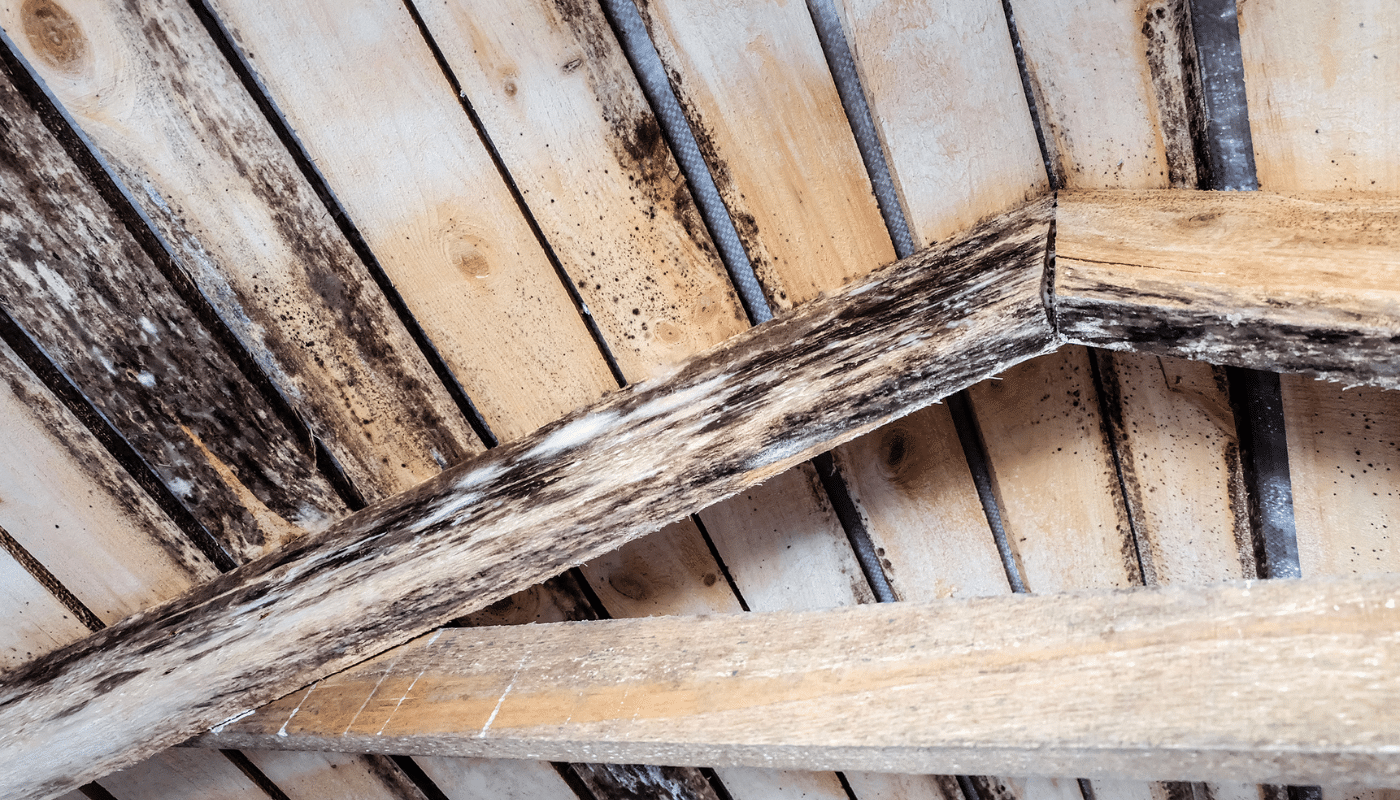
Storm season in Merritt Island isn’t just about preparing shutters and checking generators. It’s also about understanding what happens inside your home when heavy rain, wind-driven moisture, and prolonged humidity take over.
Between tropical systems, summer thunderstorms, and hurricane conditions, homes across Merritt Island, Cocoa, and nearby coastal areas face repeated moisture exposure. And when moisture lingers inside structural materials, mold growth can follow quickly.
The key isn’t just removing mold when it appears — it’s avoiding structural damage while doing it.
Let’s take a closer look at how mold remediation during storm season protects Merritt Island homes — and what property owners can do to prevent deeper structural issues.
Why Storm Season Increases Mold Risk in Merritt Island
Merritt Island’s geography makes it especially vulnerable during storm season. Surrounded by water and exposed to high humidity year-round, the area experiences:
- Wind-driven rain that forces water beneath shingles
- Attic vent infiltration during storms
- Saturated soil raising crawl space humidity
- Window and door seal failures
- Prolonged post-storm humidity
Even homes that avoid visible flooding can still absorb moisture into:
- Attic insulation
- Roof decking
- Wall cavities
- Baseboards
- Subfloor materials
Storm-related moisture doesn’t always show itself right away. That delay is what allows mold growth to begin.
How Mold Impacts Structural Components
When moisture enters a home during storm season and remains trapped, mold doesn’t just sit on surfaces. It can affect structural materials over time.
Commonly affected areas include:
Roof Decking
Damp plywood or OSB sheathing in attics.
Floor Joists
Especially in elevated or crawl space homes.
Wall Framing
Moisture travels downward along studs.
Subflooring
Water from above or groundwater from below.
Insulation
Which traps moisture against framing.
Left untreated, repeated moisture cycles can weaken wood fibers and compromise structural stability.
That’s why proper mold remediation must focus on both cleaning and structural protection.
What Mold Remediation During Storm Season Should Include
Storm-season remediation requires a careful, structured approach.
1. Immediate Moisture Source Correction
Roof leaks, flashing failures, or drainage issues must be corrected first.
2. Detailed Moisture Detection
Thermal imaging and moisture meters identify the full impact zone.
3. Containment
Plastic barriers isolate affected areas to prevent spore spread.
4. Air Filtration
HEPA air scrubbers reduce airborne contamination during cleanup.
5. Removal of Compromised Materials
Severely damaged drywall or insulation is removed safely.
6. Cleaning and Surface Treatment
Structural framing is cleaned and treated appropriately.
7. Structural Drying
Dehumidifiers and air movers restore safe moisture levels.
Skipping steps increases the chance of recurring problems — especially during storm season when humidity remains elevated.
Why Timing Is Critical in Merritt Island
In Florida’s climate, mold growth can begin within 24–72 hours after moisture exposure.
Storm season compounds the issue because:
- Humidity stays high for days
- Additional rain events follow
- Homes may experience repeated minor leaks
- AC systems work harder, increasing condensation risk
Quick action prevents minor moisture exposure from turning into structural deterioration.
Waiting even a week can expand the remediation zone significantly.
Common Storm-Season Mold Patterns in Merritt Island Homes
Across Merritt Island and nearby Palm Bay, we often see similar patterns during storm season:
- Light attic mold growth after wind-driven rain
- Repeated minor growth around window framing
- Crawl space humidity spikes following heavy rain
- Damp insulation causing musty odors
- Wall cavity mold behind exterior walls
These patterns are usually linked to small but repeated moisture events.
Addressing them early avoids deeper structural impact.
Why DIY Cleanup Often Leads to Structural Damage
Storm-season mold cleanup is not a “spray and wipe” situation.
Common DIY mistakes include:
- Cleaning only visible areas
- Ignoring moisture inside framing
- Skipping containment
- Using household bleach on porous materials
- Failing to measure moisture levels
Surface cleaning without drying allows moisture to remain embedded inside wood.
Over time, that weakens structural components.
Professional remediation protects the framing — not just the appearance.
The Role of Dehumidification During Storm Season
Dehumidification is especially important during active storm cycles.
In Merritt Island:
- Outdoor humidity often exceeds 70%
- Natural drying slows significantly
- Repeated rain events reintroduce moisture
Commercial dehumidifiers:
- Pull excess moisture from the air
- Support structural drying
- Reduce recurrence risk
- Stabilize indoor humidity levels
Without controlled drying, remediation efforts may only provide temporary relief.
Crawl Spaces and Attics: The Two High-Risk Zones
During storm season, two areas deserve special attention.
Attics
Wind-driven rain enters through vents and ridge caps. Insulation becomes damp before ceilings show stains.
Crawl Spaces
Rising groundwater and saturated soil increase humidity beneath the home.
In both cases, poor ventilation allows moisture to linger.
Routine inspection of these areas during storm season can prevent major remediation later.
How to Avoid Structural Damage During Storm Season
Homeowners in Merritt Island can reduce risk by:
- Inspecting roofs before and after major storms
- Checking attics within 48 hours of heavy rain
- Monitoring indoor humidity (keep below 60%)
- Ensuring gutters and downspouts function properly
- Inspecting crawl spaces during extended rain periods
- Scheduling professional evaluations when musty odors appear
Proactive inspection is often the difference between surface cleaning and structural repair.
Why Local Experience Matters
Storm-season mold in Merritt Island isn’t the same as mold in dry inland regions.
Local professionals understand:
- How tidal changes influence groundwater levels
- How wind-driven coastal rain behaves
- How humidity cycles affect drying times
- How slab and elevated homes respond differently
Experience across Merritt Island, Cocoa, and Melbourne allows accurate identification of storm-related moisture patterns.
At Inspections and More FL, remediation plans are based on Florida-specific conditions — not generic guidelines.
Protecting Your Merritt Island Home During Storm Season
Storm season doesn’t have to mean structural damage.
Mold remediation protects Merritt Island homes by:
- Removing contamination safely
- Restoring structural moisture balance
- Preventing repeated growth cycles
- Protecting framing and insulation
- Stabilizing indoor air conditions
The key is acting early, drying thoroughly, and correcting the moisture source before damage spreads deeper into the structure.
Storms may be unavoidable — but long-term structural damage doesn’t have to be.
If your Merritt Island home has experienced repeated moisture exposure this season, a professional evaluation can determine whether remediation is necessary and help protect your property before minor issues become major repairs.
