
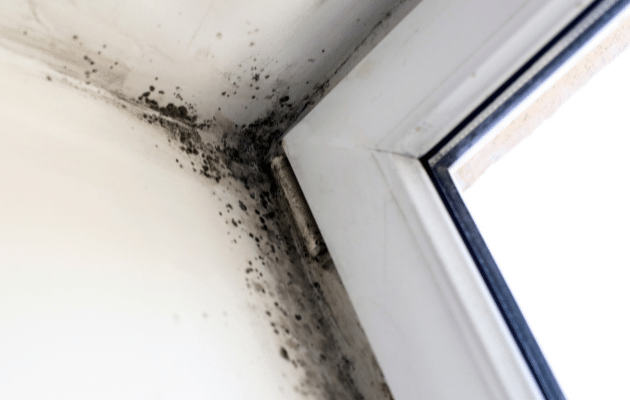
Merritt Island homes dealing with mold removal after hidden water intrusion — a step-by-step explanation
Living on Merritt Island comes with ocean air, afternoon storms, and humidity that never really takes a day off. It’s beautiful here — Cocoa, Melbourne, Palm Bay, and the surrounding coastal communities all share that same tropical climate. But with that climate comes a very real challenge: hidden water intrusion.
The tricky part? Most homeowners don’t see it happening.
By the time mold becomes visible, moisture has usually been sitting inside walls, under flooring, or above ceilings for weeks — sometimes longer. Understanding how mold removal works after hidden water intrusion makes the process less overwhelming and much more manageable.
Let’s walk through it step by step.
What Hidden Water Intrusion Really Means
Hidden water intrusion isn’t dramatic flooding. It’s the slow, quiet kind.
In Merritt Island homes, it often starts with:
- Wind-driven rain slipping behind window frames
- Minor roof leaks that travel before dripping
- AC drain line backups
- Condensation forming on ductwork
- Tiny plumbing drips inside walls
- Sliding glass door track failures
- Past storm damage that appeared “minor”
Because Florida air is already humid, building materials don’t dry quickly. Drywall, insulation, and wood framing absorb moisture and hold it.
You won’t always see water. But the structure feels it.
Why This Happens So Often in Merritt Island and Nearby Areas
This region has a unique moisture profile.
High year-round humidity
Humidity here isn’t seasonal. It’s constant.
Coastal salt air
Salt exposure accelerates wear on seals, fasteners, and metal components.
Frequent storms and heavy rain
Rain doesn’t just fall — it blows sideways during tropical systems.
High water tables
After heavy rainfall, moisture can migrate upward through slab edges.
AC systems running most of the year
Cold air meets humid air constantly. Condensation is inevitable without proper insulation and airflow.
Homes in Cocoa and inland Melbourne may see more roof-related intrusion, while Merritt Island and waterfront properties often deal with wind-driven rain and corrosion issues.
Different patterns. Same moisture outcome.
Common Signs Property Owners Notice First
Most homeowners don’t notice mold right away. They notice changes.
Typical signs include:
- A persistent musty odor
- Paint bubbling near baseboards
- Swollen trim or warped door frames
- Slight discoloration in corners
- Flooring that feels soft or uneven
- A room that feels warmer or damp compared to others
- Ceiling stains that never fully fade
In Florida, even a mild musty smell is worth investigating. It usually means moisture is active somewhere.
The Places Mold Commonly Hides
After hidden water intrusion, mold doesn’t grow in obvious open spaces. It hides.
Common concealed areas include:
- Behind bathroom tile where grout failed
- Under laminate or vinyl plank flooring
- Inside wall cavities near exterior windows
- Around sliding glass doors
- Beneath kitchen sinks with slow supply leaks
- Inside closets along exterior walls
- Attics where insulation trapped roof leaks
- HVAC return plenums
By the time surface spotting appears, there’s often more happening behind it.
Why Cleaning It Yourself Rarely Solves It
A quick wipe-down might make things look better.
But here’s the problem:
Bleach doesn’t penetrate porous materials like drywall and wood. It may lighten staining but doesn’t eliminate moisture trapped inside.
Scrubbing without containment can disturb spores and spread them.
Most importantly, surface cleaning doesn’t fix the water source.
If moisture remains, mold returns. In humid Merritt Island conditions, it returns quickly.
Step-by-Step: What a Proper Inspection Looks Like
Effective mold removal starts with identifying moisture.
A professional inspection typically includes:
Visual evaluation
Looking for staining, swelling, seal failure, and prior repair areas.
Moisture meter readings
Pin and non-invasive meters measure moisture levels inside materials.
Thermal imaging scans
Temperature differences often reveal hidden damp areas.
Assessment of airflow and ventilation
Poor airflow contributes to localized damp zones.
Mapping affected zones
Determining how far moisture has traveled behind surfaces.
At Inspections and More FL, inspections focus heavily on moisture origin. Removing mold without understanding intrusion is incomplete work.
The Remediation Process — Step by Step
Once moisture is identified and the source confirmed, remediation begins.
1. Moisture Source Correction
Roof repairs, plumbing fixes, AC drain clearing, resealing windows — this always comes first.
Without this step, remediation fails.
2. Containment Setup
Plastic barriers isolate affected areas.
Negative air machines prevent cross-contamination into clean rooms.
3. Removal of Non-Salvageable Materials
Water-damaged drywall, insulation, and other porous materials are carefully removed.
Materials are bagged and sealed.
4. Structural Cleaning
Exposed framing is HEPA vacuumed and damp-wiped.
This removes residual contamination from surfaces.
5. Air Scrubbing
HEPA air scrubbers filter airborne particles during the process.
This keeps indoor air cleaner during demolition and cleaning.
6. Controlled Drying
Dehumidifiers and air movers are placed strategically.
Moisture readings are monitored daily.
In Merritt Island’s humidity, drying may take longer than expected. Measurements — not appearance — confirm completion.
7. Mold Encapsulation (If Needed)
In certain cases, cleaned structural surfaces may be sealed to reduce future risk.
Encapsulation is a finishing measure, not a shortcut.
8. Final Moisture Verification
All materials must return to acceptable moisture levels before rebuilding begins.
This step ensures the problem does not restart.
Preventing Future Intrusion in Coastal Florida Homes
Prevention in Merritt Island requires attention to both weather and indoor climate.
Practical prevention includes:
- Keeping indoor humidity stable
- Maintaining AC drain lines and drip pans
- Inspecting windows and sliding doors annually
- Ensuring bathroom exhaust fans function properly
- Checking attic insulation for dampness after storms
- Monitoring areas near exterior walls
- Scheduling periodic moisture evaluations
Homes in Cocoa, Melbourne, Palm Bay, and Merritt Island all benefit from routine moisture checks, especially after heavy storm seasons.
Why Local Experience Makes a Difference
Florida remediation is not the same as remediation in dry climates.
Local knowledge matters because:
- Drying times differ in coastal humidity
- Salt exposure affects building materials
- Slab foundations behave differently under high water tables
- AC systems create year-round condensation risks
- Storm patterns create unique intrusion pathways
Professionals familiar with Merritt Island conditions diagnose faster and avoid unnecessary demolition.
That experience helps protect both property and budget.
A Practical Next Step for Homeowners
If your home has experienced roof leaks, plumbing issues, sliding door seepage, or unexplained musty odors, it’s worth investigating.
Hidden water intrusion doesn’t correct itself.
The earlier moisture is located, the simpler remediation becomes.
A structured inspection provides clarity — identifying what’s wet, what’s affected, and what needs to be corrected.
Handled methodically, mold removal after hidden intrusion is manageable, even in Florida’s humid climate.
