
Moisture Detection in Cocoa in Older Florida Homes: Why Problems Keep Returning
If you own an older home in Cocoa, you’ve probably dealt with moisture at some point. Maybe it was a roof leak years ago. Maybe it’s that musty smell that shows up every summer. Maybe it’s paint that keeps bubbling in the same corner no matter how many times it’s patched.
Here’s the frustrating part: the issue seems “fixed” — until it comes back.
In coastal Florida communities like Cocoa, Merritt Island, Melbourne, and Palm Bay, older homes face moisture patterns that are different from new construction. Without proper moisture detection, the root cause often gets missed, and the cycle repeats.
Let’s take a closer look at why moisture problems keep returning in older Florida homes — and how proper detection changes the outcome.
Why Older Homes in Cocoa Are More Vulnerable
Older Florida homes were built under different standards than today’s construction.
Common characteristics include:
- Minimal or outdated insulation
- Original single-pane windows
- Older roofing systems
- Aging plumbing lines
- Limited vapor barriers
- Ductwork not fully sealed or insulated
- Slab-on-grade foundations with minimal moisture protection
In Cocoa’s humid coastal climate, these construction details matter.
Humidity, storm-driven rain, and long AC cycles put steady pressure on building materials. If moisture detection isn’t thorough, small problems can persist quietly.
The Florida Climate Factor
Cocoa experiences:
- High year-round humidity
- Heavy summer rainfall
- Hurricane and tropical storm exposure
- Salt air corrosion
- Warm temperatures that slow drying
Moisture doesn’t need a major flood event to cause issues. It just needs time and humidity.
In older homes especially, minor vulnerabilities add up.
Why Moisture Problems Keep Coming Back
Many recurring issues stem from incomplete diagnosis.
Here’s what commonly happens:
- Visible damage appears (stain, bubbling paint, odor).
- Surface repairs are made.
- The deeper moisture source remains active.
- Humidity reactivates damp materials.
- The problem returns.
Without proper moisture mapping, repairs often treat symptoms instead of causes.
Common Hidden Sources in Older Cocoa Homes
Moisture detection inspections frequently uncover:
1. Slab Edge Moisture Migration
Older slab foundations often lack modern vapor barriers.
After heavy rain, moisture can migrate upward into lower wall cavities.
The result? Recurring baseboard swelling or drywall bubbling.
2. Aging Plumbing Lines
Small pinhole leaks inside walls can go unnoticed for months.
Moisture meters often reveal elevated readings long before visible staining appears.
3. Roof Flashing Failures
Older flashing systems degrade over time.
Wind-driven rain common in Cocoa storms can allow small but persistent leaks.
4. AC Condensation Issues
Older ductwork may lack proper insulation.
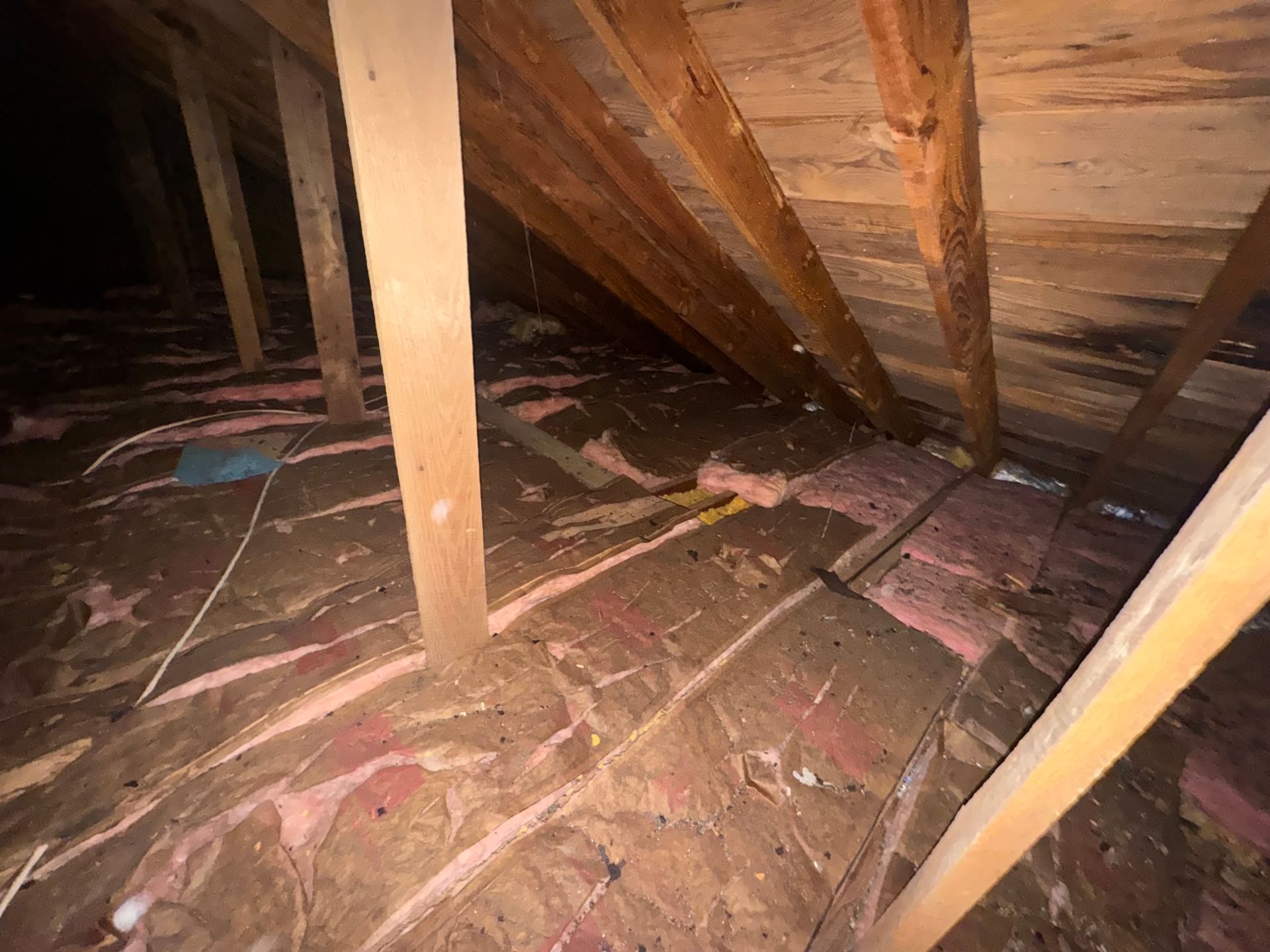
Sweating ducts in attics can drip into insulation and ceiling cavities.
5. Window Seal Breakdown
Original window frames often allow moisture intrusion during storms.
Repeated minor intrusion leads to ongoing damp framing.
The Role of Moisture Detection
Moisture detection is the difference between guessing and knowing.
A proper inspection includes:
- Moisture meter testing of drywall and trim
- Thermal imaging scans for hidden damp areas
- Slab moisture checks
- Attic inspections for insulation saturation
- HVAC system evaluation
- Indoor humidity measurement
In older homes, thermal imaging often reveals moisture patterns that aren’t visible to the eye.
Detection identifies not just where damage appears — but where moisture originates.
Why Surface Repairs Don’t Solve Structural Moisture
Painting over stains or replacing drywall sections may temporarily improve appearance.
But if:
- Slab moisture remains elevated
- Ducts continue sweating
- Drain lines remain partially clogged
- Flashing isn’t sealed
- Insulation stays damp
Then humidity will reactivate the issue.
In Florida, moisture cycles are constant. Without identifying the root source, repairs become repetitive.
Step-by-Step: How Proper Moisture Detection Stops the Cycle
Step 1: Identify Active Moisture Zones
Moisture meters confirm whether materials are currently elevated.
Thermal imaging highlights cooler, damp patterns behind surfaces.
Step 2: Trace the Source
Once damp areas are located, the next step is determining why.
This may involve:
- Plumbing pressure checks
- Roof inspections
- HVAC drain evaluation
- Exterior seal inspection
- Slab moisture testing
Source tracing prevents repeated repairs.
Step 3: Correct the Moisture Problem
Depending on findings, corrections may include:
- Sealing exterior gaps
- Repairing flashing
- Clearing drain lines
- Improving duct insulation
- Installing vapor barriers
- Addressing grading and drainage
Without correction, drying efforts fail.
Step 4: Controlled Drying
If materials are wet, dehumidification and air movement restore them to acceptable moisture levels.
Drying must be confirmed through measurement.
Step 5: Monitor Long-Term Stability
Older homes benefit from periodic moisture checks.
Monitoring ensures seasonal humidity doesn’t recreate previous issues.
Companies like Inspections and More FL often emphasize ongoing moisture awareness in older Cocoa homes because the construction style requires it.
Why Cocoa’s Older Homes Require Local Experience
Moisture detection in older Florida homes is different from evaluating newer construction.
Local professionals understand:
- How slab-on-grade foundations behave in humid climates
- How wind-driven rain enters older window systems
- How attic duct systems contribute to condensation
- How long materials realistically take to dry
- Which neighborhoods in Cocoa are more flood-prone
That knowledge leads to accurate diagnosis and fewer recurring problems.
Long-Term Prevention Strategies
To reduce recurring moisture issues in older Cocoa homes:
- Maintain AC systems annually
- Monitor indoor humidity levels
- Inspect roofs after major storms
- Evaluate slab moisture if baseboards repeatedly swell
- Check attic insulation for dampness
- Address plumbing drips immediately
- Schedule periodic moisture evaluations
Small proactive steps prevent repeated repair cycles.
A Practical Next Step
If you’re repairing the same area more than once, that’s a sign the moisture source hasn’t been fully identified.
In Cocoa’s humid climate, older homes require careful moisture detection — not surface-level fixes.
A thorough inspection provides clarity on where moisture is entering, how it’s traveling, and what needs to be corrected to stop the cycle.
When the root cause is identified and corrected, recurring problems finally stop — and your home stabilizes instead of constantly reacting to Florida’s humidity.
